PubMed:
Specialization of independently acquired flagellar FliC p...
iNaturalist:
Trending: Virginia Springbeauty (Claytonia virginica) — 1...
iNaturalist:
Trending: common blue violet (Viola sororia) — 1091 obser...
iNaturalist:
Trending: bloodroot (Sanguinaria canadensis) — 983 observ...
iNaturalist:
Trending: lesser celandine (Ficaria verna) — 812 observat...
iNaturalist:
Trending: cut-leaved toothwort (Cardamine concatenata) — ...
iNaturalist:
Trending: giant white fawn lily (Erythronium oregonum) — ...
iNaturalist:
Trending: Red-flowering Currant (Ribes sanguineum) — 116 ...
PubMed:
Specialization of independently acquired flagellar FliC p...
iNaturalist:
Trending: Virginia Springbeauty (Claytonia virginica) — 1...
iNaturalist:
Trending: common blue violet (Viola sororia) — 1091 obser...
iNaturalist:
Trending: bloodroot (Sanguinaria canadensis) — 983 observ...
eco
Asteraceae
1 article
open_in_new
Wikipedia
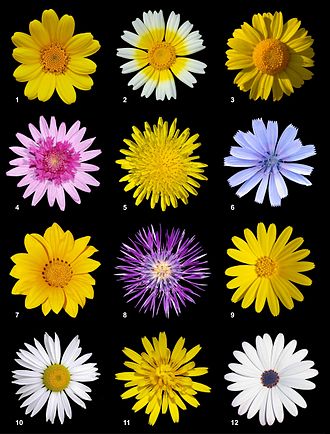
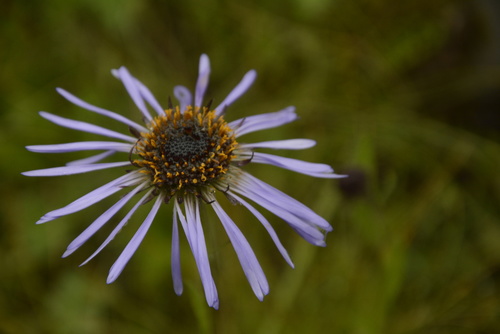
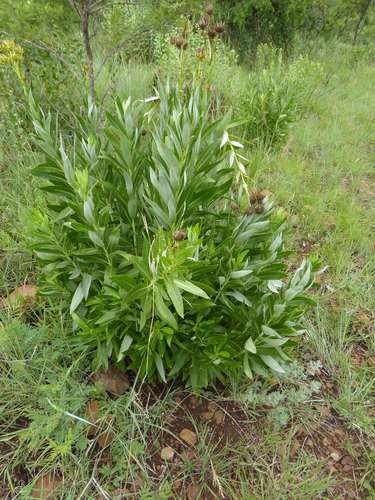
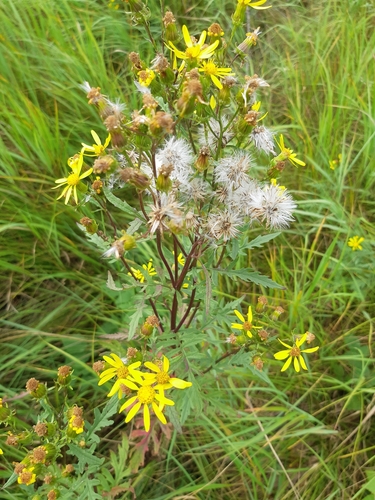
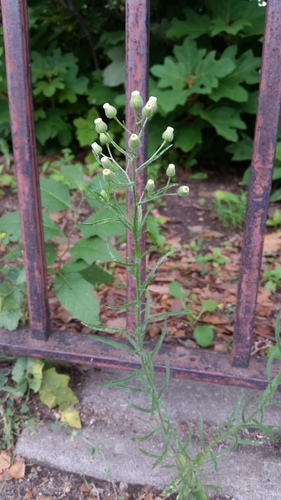
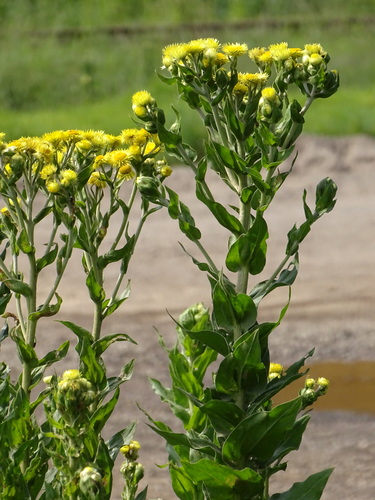
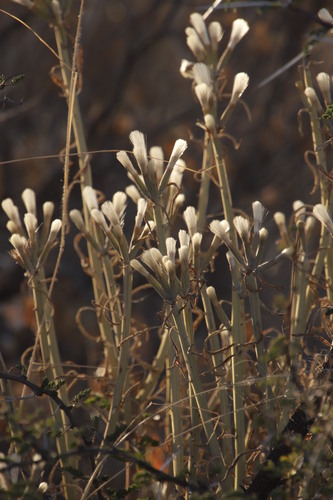
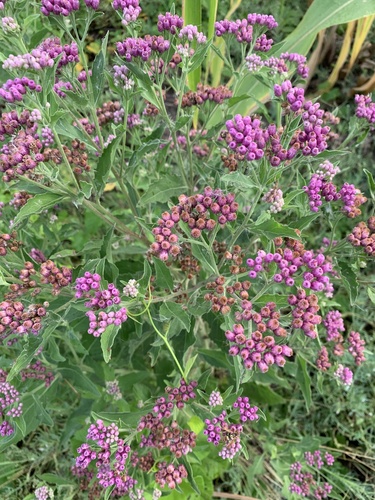
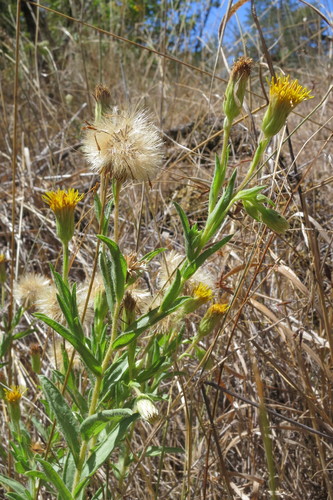
Asteraceae is a large family of flowering plants that consists of over 32,000 known species in over 1,900 genera within the order Asterales. The number of species in Asteraceae is rivaled only by the Orchidaceae, and which is the larger family is unclear as the number of extant species in each family is unknown. The Asteraceae were first described in the year 1740 and given the original name Compositae. The family is commonly known as the aster, daisy, composite, or sunflower family.