A Multidisciplinary Review of Phytoremediation Strategies for Heavy Metal-Contaminated African Soils: From Geochemical Assessment to Genetic Enhancement.
Mohamed Abdoul-Latif F, Kumar R, Mohamed T, Merito A, Kumar NC
Phytoremediation
Vegetables grown in soil near old mine sites or industrial zones can quietly accumulate toxic metals like lead and cadmium—knowing which plants actively pull those metals out of the ground gives you a tool for cleaning a contaminated plot before you ever plant food on it.
Some plants have a remarkable ability to soak up dangerous metals like lead or nickel from polluted soil, concentrating them in their leaves or roots instead of letting those metals move into food crops. Scientists are reviewing which wild African plants do this best and how we might help them work faster—through root bacteria, soil treatments, or even tweaking their genes. The long-term vision is communities that clean their own land and potentially harvest the metals as a resource.
Key Findings
Six heavy metals—lead, cadmium, chromium, arsenic, mercury, and copper—are the primary soil contaminants reviewed, all linked to serious health effects including cancer, kidney damage, and neurological harm.
Specific hyperaccumulator plants identified include Berkheya coddii for nickel and Haumaniastrum robertii for cobalt, demonstrating that African flora holds untapped phytoremediation potential.
A proposed framework combining geospatial machine learning (random forest algorithms and kriging) with molecular omics data could dramatically improve prediction of where contamination is worst and which plant strategies will work—though field validation of these models remains a critical gap.
chevron_right Technical Summary
African soils contaminated by mining and industry carry toxic heavy metals that don't break down and enter the food chain. This review shows how certain plants can extract, stabilize, or neutralize those metals—and how combining genomics, AI mapping, and community-led farming could turn cleanup into a resource.
Abstract Preview
African soils face increasing levels of metal pollution due to industrialization, artisanal mining activities, improper waste management, and enhanced agricultural productivity. However, unlike man...
open_in_new Read full abstractAbstract copyright held by the original publisher.
Species Mentioned
Was this useful?
Want to tell us more? (optional)
Thanks for the note!
Something went wrong — please try again.
Too many submissions. Try again in an hour.
Nanoplastics interfere with plant-mycorrhizal communication and limit plant growth.
Microplastics breaking down in your garden soil are quietly strangling the beneficial fungi that help your vegetables absorb phosphorus and other nutrients, ...
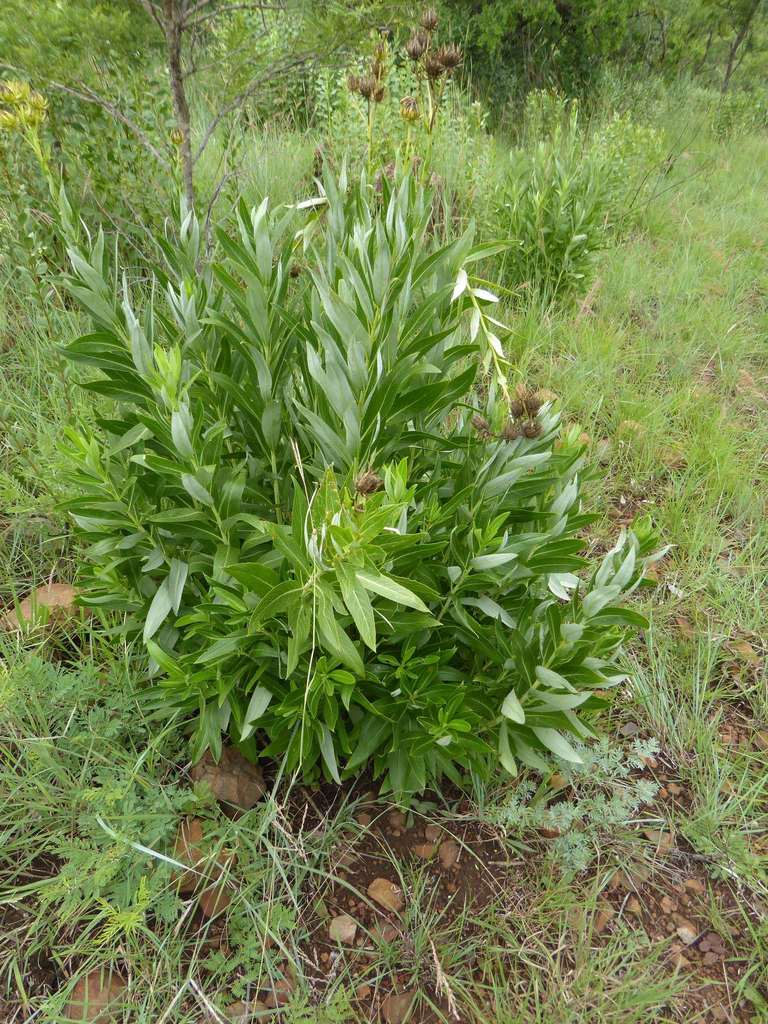
Photo (c) Andrew Hankey. CC BY-SA via iNaturalist.
Soil health is the capacity of soil to function as a living ecosystem, supporting complex interactions between microorganisms, soil fauna, and plant communities. For plant science, soil health is critical because these biological and chemical soil properties directly control nutrient availability,
arrow_forward Explore topic