Plant fiber inulin shields fish brains from a common plastic additive
Yan J, Zhang Y, Ni A, Yu Z, Liu Z
Prebiotic Fiber
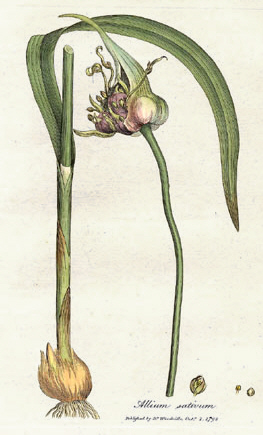
Inulin, the prebiotic fiber stored in chicory roots, Jerusalem artichokes, and garlic you can grow in your own beds, helped reverse pollutant-driven gut and brain damage in this fish study.
Researchers exposed zebrafish to a chemical used in plastics and flame retardants for their whole lives. It wrecked their gut bacteria, inflamed their bodies and brains, and changed their behavior, especially in females. Adding inulin, a fiber found in plants like chicory, to their diet brought the gut bacteria back into balance and eased most of the problems.
Key Findings
Lifelong exposure to EHDPP at 5 and 125 μg/L caused sex-specific deficits in movement, social behavior, and memory, with females more affected.
EHDPP enriched pro-inflammatory Fusobacteria and depleted Firmicutes and Bacteroidetes, causing gut barrier damage, lipopolysaccharide leakage, and blood-brain barrier impairment.
Dietary inulin restored microbial balance, reduced inflammation, corrected neurotransmitter disturbances (42 brain metabolites profiled, notably tryptophan and tyrosine pathways), and improved behavior.
chevron_right Technical Summary
A common flame-retardant chemical found in household dust and plastics harmed zebrafish brains by upsetting their gut bacteria, with females hit harder. Feeding the fish inulin, a plant fiber, restored gut balance and eased the behavior problems.
Abstract Preview
Original paper
Gut microbiota and neurotransmitter network underlies EHDPP-induced neurotoxicity in zebrafish.
Environmental pollutants are increasingly associated with neurological dysfunction, yet their underlying mechanisms remain poorly understood. Here, zebrafish were used to investigate the chronic li...
open_in_new Read full abstractAbstract copyright held by the original publisher.
Species Mentioned

Was this useful?
Want to tell us more? (optional)
Thanks for the note!
Something went wrong — please try again.
Too many submissions. Try again in an hour.
Shared Plant-human Biology: Herbicide Effects and New Biomarkers Perspectives.
Herbicides sprayed on your lawn, your food crops, and your local park may be quietly disrupting the same biological machinery in your body — and in the gut b...

Common chicory is a somewhat woody, perennial herbaceous plant of the family Asteraceae, usually with bright blue flowers, rarely white or pink. Native to Europe, North Africa, and western Asia, it has been introduced to the Americas and Australia.