PubMed:
Plants as silent teachers: bridging plant biology, human ...
PubMed:
Triacontanol-biochar synergy regulates redox homeostasis ...
PubMed:
Unveiling the potential of banana (
PubMed:
Influence of sound vibrations on plant holobionts: physio...
PubMed:
Microbiome-metabolite signaling drives aluminum stress al...
PubMed:
Majoon Ushba alleviated IL-17A sensitized keratinocyte fe...
PubMed:
CRISPR/Cas9-mediated editing of the
PubMed:
Structure-driven function of plant lncRNAs: conserved RNA...
PubMed:
Plants as silent teachers: bridging plant biology, human ...
PubMed:
Triacontanol-biochar synergy regulates redox homeostasis ...
PubMed:
Unveiling the potential of banana (
PubMed:
Influence of sound vibrations on plant holobionts: physio...
eco
Asteraceae
1 article
open_in_new
Wikipedia
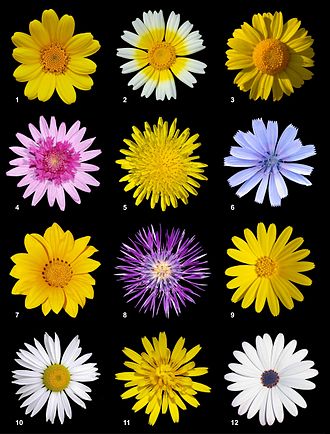
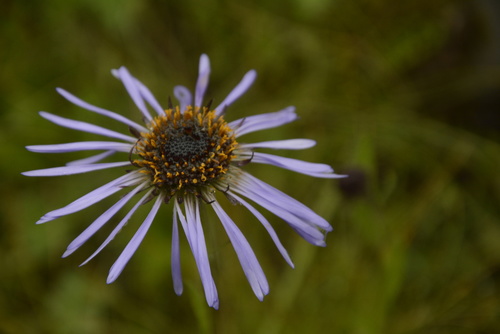
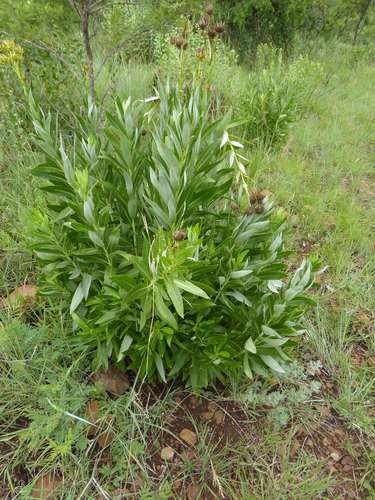
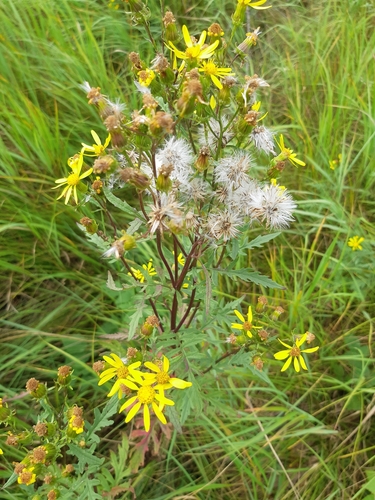
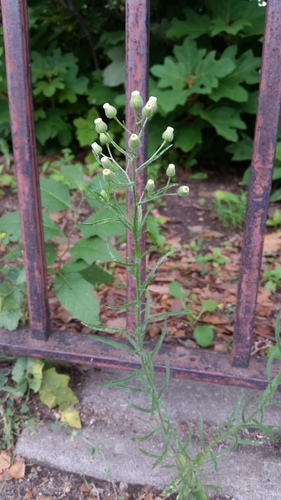
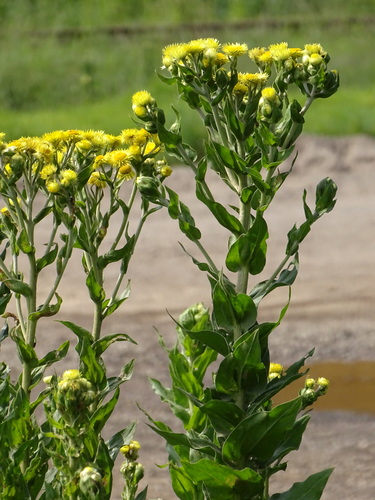
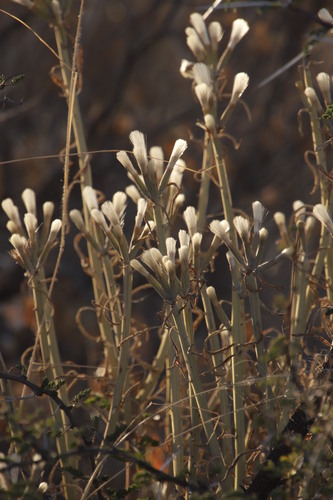
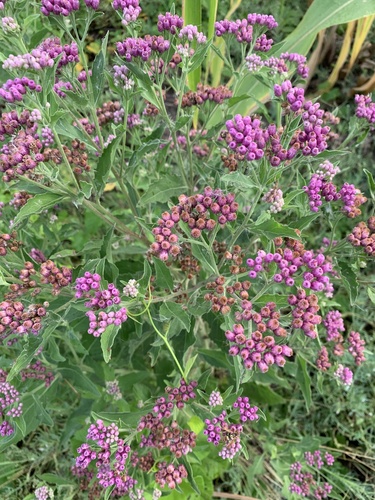
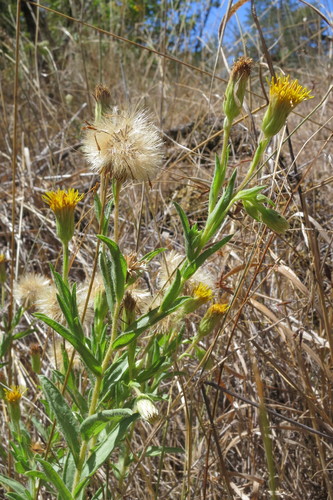
Asteraceae is a large family of flowering plants that consists of over 32,000 known species in over 1,900 genera within the order Asterales. The number of species in Asteraceae is rivaled only by the Orchidaceae, and which is the larger family is unclear as the number of extant species in each family is unknown. The Asteraceae were first described in the year 1740 and given the original name Compositae. The family is commonly known as the aster, daisy, composite, or sunflower family.
From Wikipedia, licensed under CC BY-SA 4.0
Research Mentions
Phylogenomic synteny reveals paleohexaploid-derived genomic blocks ...
Understanding why daisies, sunflowers, lettuce, and artichokes all share that distinctive 'flower...
Taxonomy
Scientific:
Asteraceae
Genus:
Asteraceae
Kingdom:
Plantae
Order:
Asterales