A toxic woodland wildflower is blooming everywhere right now
iNaturalist Community
Native Plants
If you walk wooded trails or pastures this month, those clusters of fuzzy white fall flowers along the shade edges are likely white snakeroot, a plant worth learning to identify because it's poisonous to grazing animals and was the culprit behind 19th-century 'milk sickness' deaths, including Abraham Lincoln's mother.
White snakeroot is a native woodland plant that puts out small white flower clusters in late summer and early fall, usually in shady spots at the edge of woods. Nearly 1,500 people logged sightings of it on iNaturalist this week, likely because it's blooming heavily right now and is easy to notice. It's worth knowing on sight: the whole plant contains a toxin that can sicken livestock and, historically, people who drank milk from cows that grazed on it.
Key Findings
1,477 research-grade observations of white snakeroot were logged on iNaturalist in a single week
The species ranks among the most-observed plants on the platform this week, indicating a strong current bloom period
White snakeroot contains tremetol, a toxin historically responsible for 'milk sickness' in humans and livestock poisoning
chevron_right Technical Summary
White snakeroot, a woodland wildflower blooming now across the eastern US, is having a huge week on iNaturalist with nearly 1,500 sightings logged by citizen scientists. It's a good time to learn to spot it, since the plant is toxic to livestock and was historically linked to human deaths from contaminated milk.
Abstract Preview
Original paper
Trending: white snakeroot (Ageratina altissima) — 1477 observations this week
white snakeroot is among the most observed plant species this week with 1477 research-grade observations.
open_in_new Read full abstractAbstract copyright held by the original publisher.
Species Mentioned
Was this useful?
Want to tell us more? (optional)
Thanks for the note!
Something went wrong — please try again.
Too many submissions. Try again in an hour.
Warming killed underground fungi and pushed meadows toward shrublands
Mountain meadows and wildflower-rich grasslands many people hike through and depend on for clean water and biodiversity are quietly transforming underground ...
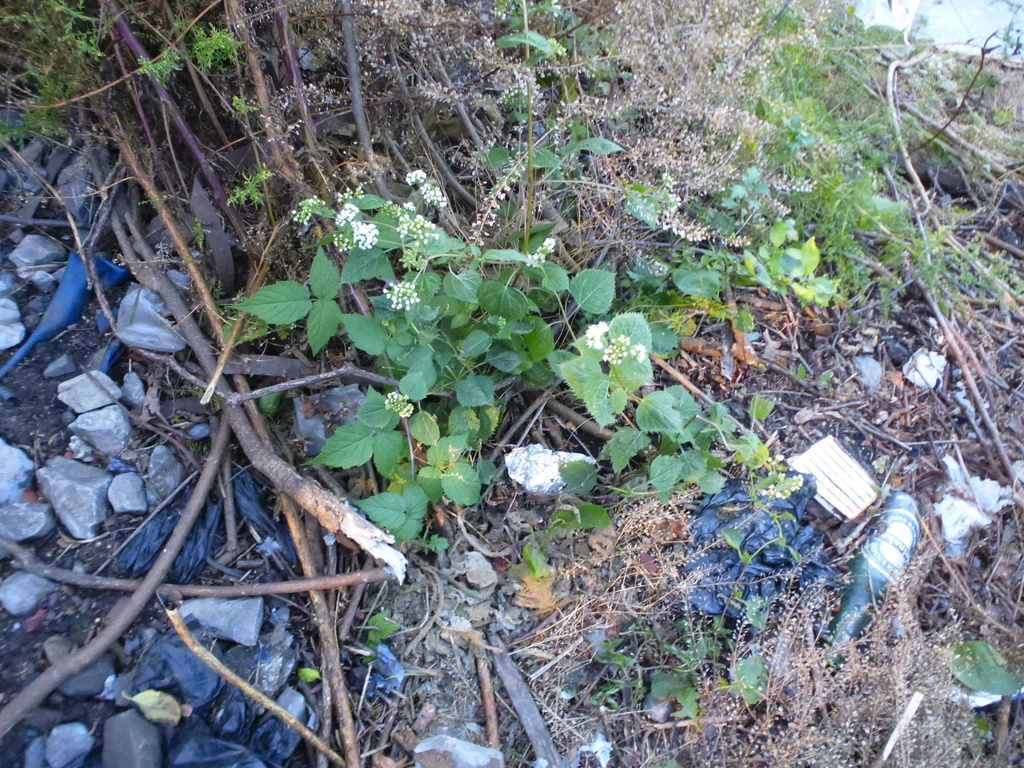
Photo by Ira Gershenhorn, taken in New York, United States. CC0 via iNaturalist.
Phenology is the study of recurring biological events in plant life cycles—such as flowering, fruiting, and germination—and how these events are timed in response to seasonal and climatic conditions. This research is essential to plant science because phenological patterns directly influence
arrow_forward Explore topic