Oligosaccharide prebiotics in functional foods and therapeutics: innovations and challenges.
Sandra KS, Vithalkar MP, Beere V, Bharath HB, Satyanarayana B
Gut Microbiome
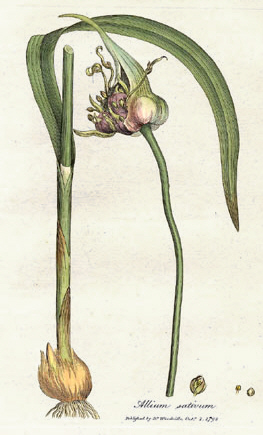
Growing chicory, Jerusalem artichokes, or garlic in your garden puts some of the most potent prebiotic fibers in the world within arm's reach — the same compounds researchers are spending millions to synthesize in labs.
Certain types of fiber found in plants like chicory and garlic feed the good bacteria in your gut, which in turn produce chemicals that calm inflammation and support your immune system. Scientists have found ways to extract and concentrate these fibers more precisely, and are now packaging them into foods and supplements so they survive digestion long enough to reach your lower gut where they do the most good. The catch is that too much too fast can cause bloating, and everyone's gut bacteria are a little different, so dosing is still tricky.
Key Findings
Oligosaccharide prebiotics consistently increase populations of beneficial bacteria (Bifidobacterium and Lactobacillus) and raise short-chain fatty acid production in gut studies across lab, animal, and human trials.
Nano- and microencapsulation technologies improve thermal stability and allow targeted release of prebiotics specifically in the colon, extending their functional shelf life in processed foods.
Mechanisms of therapeutic action include GPCR receptor activation, histone deacetylase inhibition, and cytokine regulation — linking gut fiber intake to immune and neurological health outcomes.
chevron_right Technical Summary
Plant-derived sugars like inulin (from chicory) and other fiber compounds act as food for beneficial gut bacteria, improving digestion, immunity, and even brain health — and scientists are now engineering better ways to deliver them in foods and supplements.
Abstract Preview
Oligosaccharide prebiotics, such as inulin, fructooligosaccharides (FOS), and galactooligosaccharides (GOS), have demonstrated significant effects on gut microbiota and host health across in vitro,...
open_in_new Read full abstractAbstract copyright held by the original publisher.
Species Mentioned

Was this useful?
Want to tell us more? (optional)
Thanks for the note!
Something went wrong — please try again.
Too many submissions. Try again in an hour.
Ancient Amazonian forests were planted and tended by Indigenous farmers
Forests and fruits we romanticize as wild — including many plants now in our kitchens and gardens — may exist in their current abundance precisely because an...

Common chicory is a somewhat woody, perennial herbaceous plant of the family Asteraceae, usually with bright blue flowers, rarely white or pink. Native to Europe, North Africa, and western Asia, it has been introduced to the Americas and Australia.