This toxic white wildflower is still blooming in woodlands nationwide
iNaturalist Community
Phenology
If you walk wooded trails or pastures this month, those clusters of small white fall flowers along the edges could be white snakeroot, a plant that's toxic to livestock and historically tied to deadly 'milk sickness' in people who drank cows' milk tainted by it.
White snakeroot is a native woodland wildflower with clusters of fuzzy white blooms that show up in late summer and fall. This week, iNaturalist users logged 626 sightings of it across the US, making it one of the most-spotted plants on the app, even though that's about half the observations recorded the week before. The drop likely reflects the plant moving past peak bloom as the season turns toward winter.
Key Findings
626 observations logged in the US over the past 7 days, among the highest counts for any plant on iNaturalist this week
Observations fell by 542 compared to the prior week, down from 1,168
The decline suggests the species is past its fall flowering peak
chevron_right Technical Summary
White snakeroot, a toxic native woodland plant, is one of the most-observed plants on iNaturalist this week with 626 sightings across the US, though that's roughly half of last week's 1,168 observations as fall bloom winds down.
Abstract Preview
Original paper
Trending: white snakeroot (Ageratina altissima) — 626 observations this week
White snakeroot (Ageratina altissima) is a species in the family Asteraceae. iNaturalist users recorded 626 observations of it in the United States in the 7 days before today, among the most for an...
open_in_new Read full abstractAbstract copyright held by the original publisher.
Species Mentioned
Was this useful?
Want to tell us more? (optional)
Thanks for the note!
Something went wrong — please try again.
Too many submissions. Try again in an hour.
Warming killed underground fungi and pushed meadows toward shrublands
Mountain meadows and wildflower-rich grasslands many people hike through and depend on for clean water and biodiversity are quietly transforming underground ...
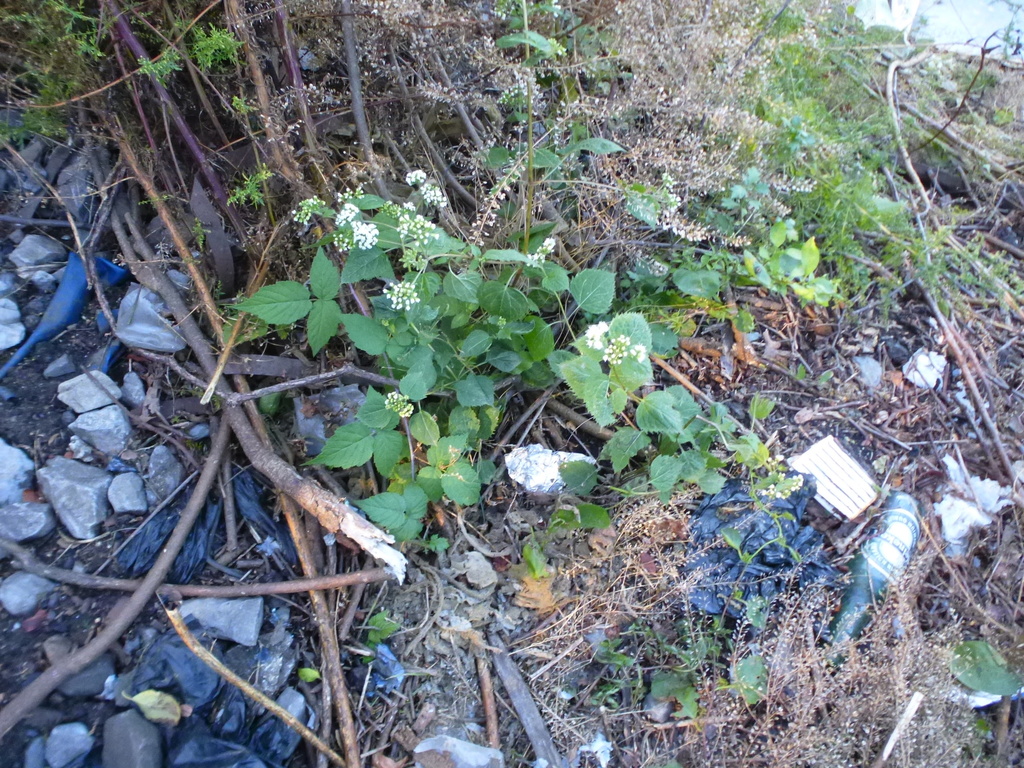
Photo by Ira Gershenhorn, taken in New York, United States. CC0 via iNaturalist.
Native plants are species that have evolved naturally within a specific region or ecosystem without human introduction, forming integral ecological relationships with local soils, climate, and wildlife over thousands of years. In plant science, studying native species provides critical insights
arrow_forward Explore topic