pollinators
Pollinators are animals—such as bees, butterflies, birds, and other insects—that transfer pollen from a flower's anther to its stigma, enabling fertilization and seed production. This process underpins plant reproductive success and genetic diversity, making pollinator research essential for understanding plant-animal coevolution, breeding systems, and reproductive ecology. Studying these interactions also sheds light on how environmental changes and habitat loss can disrupt plant populations that depend on animal-mediated pollination.
open_in_new WikipediaToxic effects induced by individual and combined exposures of glyph...
Every time you spray a glyphosate-based weed killer near flowering plants, the unlisted ingredien...

Rapid disruption of pollination function by the invasive plant Impa...
That pretty pink-flowered plant spreading along your local riverbank or woodland edge could be qu...

Site-specific variation in flowering phenology of a spring ephemera...
If you watch for the first spring wildflowers pushing up through forest leaf litter each year, yo...
High temporal resolution pollen analysis: New insights into current...
The wildflowers you're encouraging along your fence line or garden edge may already be carrying p...
Behavioral and neurophysiological evaluation of pyrethroid effects ...
Every time you spray a pyrethroid insecticide (many common garden bug-killers) near blooming plan...
Chemical residues in declining commercial honey bee colonies.
Every squash, cucumber, and berry in your garden depends on honeybees making it through the seaso...

Trending: pink lady's slipper (Cypripedium acaule) — 335 observatio...
Pink lady's slippers growing in your local woods take 10–15 years to flower for the first time an...
Larval deltamethrin exposure causes severe cross-stage carryover to...
If you grow fruit trees or keep a pollinator garden, the mason bees you're counting on to set you...
Heat quietly breaks flower-bee teamwork even when timing stays synced
The bees buzzing around your garden beds this spring could still show up right on schedule with y...
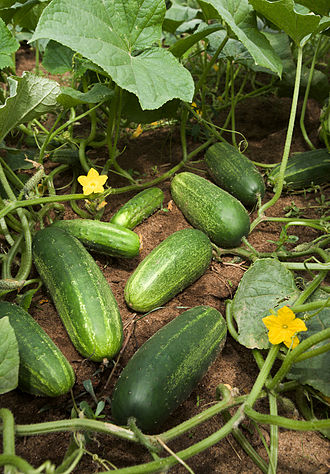
More flowers, more pollinators, less fruit: drought increases insec...
Your cucumber vines buzzing with bees during a dry summer aren't thriving — they're stressed, pum...

Pesticide-induced ecological traps and insect pollinator foraging n...
Every bee that disappears from a sprayed orchard is one fewer visitor to the wildflowers and vege...

Trending: common milkweed (Asclepias syriaca) — 2095 observations this week
Milkweed growing along your fence line or in a sunny corner of your yard is the only plant monarc...

Trending: butterfly milkweed (Asclepias tuberosa) — 1105 observatio...
Butterfly milkweed blooming in your yard or on a roadside verge is one of the clearest signs that...
Arctic plants are blooming closer together, squeezing wildlife food...
The staggered bloom schedule that feeds Arctic insects, nesting shorebirds, and grazing caribou a...
Milkweed is blooming now and monarchs are counting on every patch
Common milkweed blooming in your yard right now is monarch butterfly habitat, and every patch you...
Heat waves leave bumblebees unable to find flowers by scent
Every summer vegetable and fruit in your garden depends on pollinators finding flowers, and heat ...
Pollinators pick sun or shade strategically, and that choice shapes...
Adding a patch of shade plants or a sun-trap shrub to your garden may do more for bees and butter...
Most European bee species are shrinking in range, not disappearing
The bees and hoverflies pollinating your tomatoes, squash, and fruit trees are losing ground acro...
Healthier honeybee hives mean fewer viruses on nearby flowers and wild bees
The flowers in your garden act as shared dining tables where a virus from a neighbor's hives can ...
Trending: common milkweed (Asclepias syriaca) — 940 observations this week
Milkweed patches in your yard or neighborhood are the single non-negotiable requirement for monar...
Leafcutter bees and their leaf resources: ecology, behavior, and co...
Planting the right leafy shrubs and perennials in your yard could directly support leafcutter bee...
Trending: common milkweed (Asclepias syriaca) — 1071 observations this week
Every milkweed plant spotted and logged right now is a data point helping track whether monarch b...

Honeybee pollination enhances pollen germination, pollen tube growt...
Letting honeybees work your pear tree rather than hand-pollinating isn't just easier — the bees t...
Insect declines: challenges and solutions.
Without bees, beetles, and flies visiting your vegetable beds and fruit trees, harvests shrink—an...
Global decline in pollination limitation of pollinator-dependent crops.
That hollow spot on your squash vine where a fruit aborted and shriveled? Across 86 crops and 70 ...
Automating pollinator identification using artificial intelligence ...
Every bee photo you snap and upload to a nature app could soon be automatically identified by AI,...
Trending: common milkweed (Asclepias syriaca) — 1668 observations this week
Common milkweed blooming in your yard or along a nearby roadside right now is the single most imp...
Trending: butterfly milkweed (Asclepias tuberosa) — 996 observation...
Butterfly milkweed blooming in your yard right now is one of the few native flowers that can sing...
Trending: pink lady's slipper (Cypripedium acaule) — 370 observatio...
If you walk any eastern woodland trail this month, you have a real chance of spotting one of Nort...
Herbaria unlock tripartite pollination responses to anthropogenic change.
The wild bees visiting your garden flowers are also delivering yeasts and bacteria that alter the...
The Growing Challenge of Varroa destructor Resistance to Acaricides...
Every third bite of food in your garden — squash, cucumbers, berries, apples — depends on bees th...
Summer heat forces bumble bees to fan nests instead of gather food
The bumble bees visiting your garden flowers may be one season away from colony collapse if they'...
Queen bees transfer pesticide buildup into eggs when workers are ov...
Every tomato, apple, and squash in your garden depends on bees that are quietly absorbing pestici...
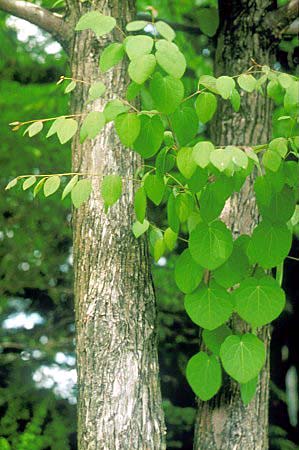
Warming springs push female katsura trees to sync with males
The katsura tree lining your local botanical garden or arboretum blooms in a narrow window each s...
Common milkweed blooming across eastern North America in record numbers
Milkweed in your yard or neighborhood right now is the only plant monarch butterfly caterpillars ...

Dead bees trapped in milkweed flowers drive away other pollinators
The milkweed you plant for monarchs depends on pollinators to set seed, and trapped dead honey be...
Diverse crop fields let predator bugs outpace pest insects
If you plant a mixed vegetable bed instead of a single crop, you're likely stacking the odds towa...
Common farm pesticides quietly weaken bee colonies, not just kill them
The bees visiting your tomato flowers or apple blossoms can survive a pesticide exposure and stil...
First direct quantification of floral handling costs in bees.
Every tomato, blueberry, or eggplant you grow that needs 'shaking' to release pollen depends on b...
Post-Application Fate and Transformation of Imidacloprid Insecticid...
Every bee, ground beetle, and butterfly that visits your garden is potentially exposed to imidacl...
Trending: pink lady's slipper (Cypripedium acaule) — 880 observatio...
Pink lady's slippers growing in your local woods take 10–15 years to first bloom and can't surviv...

Trending: Virginia strawberry (Fragaria virginiana) — 441 observati...
Wild strawberry patches threading through your lawn or meadow edge aren't weeds — they're a groun...
Trending: pink lady's slipper (Cypripedium acaule) — 876 observatio...
Pink lady's slippers blooming near your local trails take 10–17 years to flower from seed and wil...

A novel nursery pollination mutualism between a water primrose and ...
Weevils — those small, snout-nosed beetles most gardeners curse — turn out to be secret pollinati...
This vine's flowers impersonate figs to fool a wasp
Next time you spot a vine with odd globe-shaped flowers in a tropical greenhouse or garden, you'r...
Climate, not location, drives pollinator pickiness worldwide
The bees, hummingbirds, or moths visiting your garden are shaped by local temperature and rainfal...
Cardboard tubes in bee hotels invite the most parasites
If you've put up a bee hotel to help native pollinators, the material you chose and how often you...

Multi-biomarker assessment of Apis mellifera as a sentinel of envir...
Every third bite of food on your plate depends on pollinators, and this study shows the bees visi...

Flower visitors and pollinator interactions on mustard (Brassica ju...
If you grow mustard greens, arugula, or any brassica that you let go to seed, the small native be...
Anthropogenic stressors drive microbiome assembly: A global meta-an...
Every strawberry, tomato, and squash in your garden depends on bumble bees that may be quietly lo...

"Pollen diets influence gut microbiota composition and colony devel...
Every wildflower you leave standing at the edge of your garden is a vote for the gut health of na...

Trending: wild geranium (Geranium maculatum) — 1274 observations this week
Wild geranium blooming along your woodland trail edge right now is a reliable nectar stop for que...

Trending: large white trillium (Trillium grandiflorum) — 766 observ...
If you walk any eastern hardwood forest this week, you're in the middle of peak trillium season —...

Large flowers enhance pollination success and nutrient resorption i...
Next spring when saucer magnolias explode into bloom, those outsized flowers are running a sophis...

Trending: Solomon's plume (Maianthemum racemosum) — 876 observation...
Solomon's plume arching through a shaded woodland edge tells you the understory is intact — and p...

Trending: dame's rocket (Hesperis matronalis) — 1256 observations this week
Those tall, fragrant purple-and-white flower clusters lining roadsides and woodland edges right n...

Pollinator efficiency, rather than bee decline, explains a shift to...
Next time you spot a hummingbird hovering at a tubular red flower in a mountain garden, you're wa...

Simulating ecosystem resilience: Tipping point evasion driven by ad...
Even a small patch of marsh grass you help restore can pull in pollinators that turbocharge the w...
Potential to fund arable rewilding in England with biodiversity credits.
Wildflower-rich rewilded land hosts 56% more rare invertebrate species and a third more pollinato...
Toxicity of λ-cyhalothrin and fenpyroximate on Nannotrigona testace...
Every squash, tomato, or berry in your garden depends on bees you've probably never noticed—sting...
Trait Dataset for 3,000 European Wild Bee and Hoverfly Species.
Every flower in your garden that sets fruit or seed depends on pollinators whose populations are ...

Contrasting responses of pollen and fruit to whole-tree heating in ...
Fruit-bearing trees in grasslands and savannahs worldwide may quietly stop reproducing long befor...

Perfume-loving bees push orchids to evolve flower shapes fast
The wild orchid diversity you might spot on a rainforest hike or in a specialty greenhouse traces...

Trending: common yarrow (Achillea millefolium) — 1044 observations ...
Yarrow blooming in your yard or along your fence line is a free pollinator buffet — its flat-topp...
Trending: dame's rocket (Hesperis matronalis) — 932 observations this week
Those showy purple clusters lining roadsides and garden edges in June are dame's rocket, not nati...
Trending: Solomon's plume (Maianthemum racemosum) — 335 observation...
Solomon's plume is one of the easiest native woodland plants to establish in a shady corner, and ...

Invasive honeybees are starving bat-pollinated trees of fruit
If you've ever planted a tree hoping for fruit, this shows how a well-meaning backyard beehive ca...

Differential pollinator importance contributes to flower colour var...
Next time you spot a wildflower changing color as you hike uphill, you're watching millions of ye...
Biases and blind spots in the global research agenda on metallic po...
Lead and cadmium from contaminated soil can move through pollen and nectar into the bees visiting...

Morphological and phenological matching shape functional heteranthery.
If you grow crape myrtles and wonder why big bumblebee-sized carpenter bees seem to 'fit' the flo...
Trending: common yarrow (Achillea millefolium) — 1094 observations ...
Yarrow spreading along roadsides and meadow edges near you is one of the easiest native plants to...
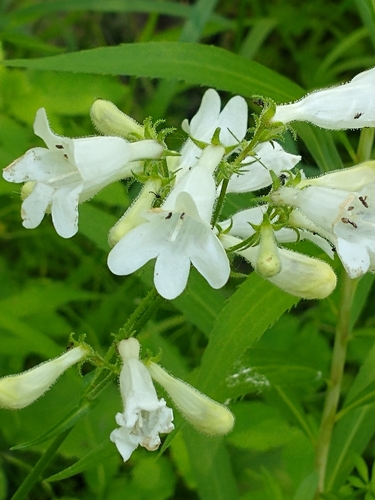
Trending: foxglove beardtongue (Penstemon digitalis) — 804 observat...
Foxglove beardtongue blooming in your yard or along a roadside right now is prime habitat for nat...

Trending: Canada anemone (Anemonastrum canadense) — 375 observation...
Canada anemone spreading through a moist garden corner or streambank edge is doing real ecologica...

Pollination by long-proboscid horseflies and its implications for r...
Orchids growing shoulder-to-shoulder in a meadow can stay distinct species for millions of years ...
Bee declines haven't dragged down global crop yields yet
The tomatoes and squash in your garden may still set fruit fine even as native bee sightings dwin...

Machine Learning and Geospatial Modeling of Climate Change Impacts ...
Every third bite of food you eat exists because a bee visited a flower — and the models here show...

Trending: black-eyed Susan (Rudbeckia hirta) — 1028 observations this week
Black-eyed Susans blooming in your yard or along roadsides right now are feeding native bees and ...
Trending: common yarrow (Achillea millefolium) — 1271 observations ...
Yarrow blooming in roadside ditches and meadows right now is one of the best indicators that your...
Trending: Canada anemone (Anemonastrum canadense) — 405 observation...
Canada anemone spreading through a rain garden or wet meadow edge is doing double duty — its dens...
From individuals to networks: The role of variation in plant-pollin...
The bumblebees visiting your garden aren't interchangeable — some handle heat waves better, some ...

Orchid bee diversity responds positively to forest cover and landsc...
Orchid bees are the sole pollinators of many tropical orchid species, so the forest patches and b...
Trending: common yarrow (Achillea millefolium) — 1285 observations ...
Yarrow blooming in your yard or along roadsides right now is a reliable nectar source for native ...

Trending: common selfheal (Prunella vulgaris) — 1179 observations this week
Common selfheal is almost certainly already growing in your lawn or a nearby path edge — it's one...

Trending: tufted vetch (Vicia cracca) — 367 observations this week
Tufted vetch scrambling through your hedgerows or meadow edges is actively fixing nitrogen into t...
Trending: Canada anemone (Anemonastrum canadense) — 334 observation...
Canada anemone spreading a white-flowered carpet along stream banks and wet meadow edges right no...
Trending: black-eyed Susan (Rudbeckia hirta) — 1378 observations this week
Black-eyed Susans blooming in your yard or along roadsides right now are prime nectar stops for n...
Managed-bee supplementation may drive parasite-mediated exclusion o...
Every squash, blueberry, and apple in your garden depends on wild bees that honeybee hives — if p...
Never underestimate honeybees: Their exceptionally diverse adaptive...
Every third bite of food in your garden — squash, tomatoes, berries — depends on bees whose colon...
A single hot afternoon quietly steals bumblebees' ability to father...
Every tomato, squash, and berry in your garden depends on bumblebees completing their life cycle,...

Bloom timing shapes how a bumblebee gut parasite spreads between flowers
The wild bergamot blooming in your pollinator garden isn't just pretty - when it peaks relative t...

Rice detects planthopper spit and fights back
Rice feeds more than half the world's population, and this discovery of a natural defense trigger...
Wild bumblebees in Turkey carry the same viruses decimating honeybe...
Every third bite of food you eat depends on a pollinator, and the bumblebees doing much of that w...
Havana's urban farmers can out-plant pollinator losses from paving
If you tend a city plot or community garden, this shows that packing in more blooms can buffer yo...
The "weed" in your lawn is quietly feeding thousands of bumblebees
Selfheal is almost certainly already growing in your lawn or garden path and most people pull it ...
Yarrow's 1,100 sightings this week mark peak pollinator season
Yarrow blooming in your yard or along roadsides right now is a reliable signal that summer pollin...
Black-eyed Susans are at peak bloom and feeding pollinators now
Black-eyed Susans blooming in your yard or along a roadside right now are feeding the specialist ...

This drought-tolerant native shrub feeds bees and enriches soil for free
New Jersey tea fixes its own nitrogen through root nodules, meaning it feeds the soil around it w...
Tufted vetch fixes free nitrogen from air wherever it scrambles
Tufted vetch scrambling through your meadow or roadside verge is quietly pulling nitrogen from th...
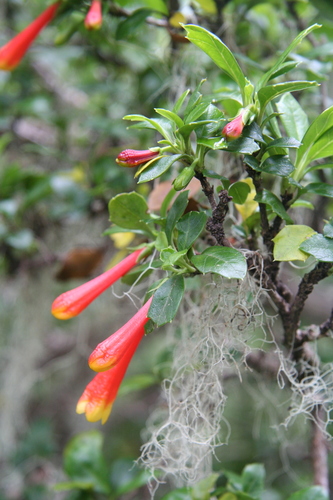
Nectar-stealing bees drain tubular flowers but leave seed productio...
Next time you spot a bumblebee hovering at the base of a tubular flower instead of its mouth, you...

Fig trees and wasps recognize each other through precisely matched ...
If you grow a common fig at home or spot one fruiting in a garden, you're watching a chemical con...
Losing specialist pollinators reshuffles who visits which plants ac...
The bees and birds that visit your garden aren't interchangeable; lose even one specialist specie...
Wild bergamot blooming across North America draws record observer attention
Wild bergamot blooming in your neighborhood right now is one of the best plants you can add to a ...
Black-eyed Susan peaks with 1,000 sightings logged in one week
Black-eyed Susan blooming at this scale signals that your local meadow or sunny border is enterin...
Yarrow blooms draw hundreds of citizen scientists into the field
Common yarrow growing along your fence line or in a neglected corner of your yard is actively bei...

One sunflower gene change alters nectar sugar, bee visits, and nect...
The sunflowers in your garden may carry a domestication-era gene variant that changes their necta...

Forever chemicals build up in wildflowers and pollen, raising polli...
If you plant or forage huckleberries and blueberries near contaminated ground, the flowers your l...
Computer-predicted scents keep foraging honey bees away from treated crops
Honey bees visiting your flowering vegetables, orchard trees, and herb beds could someday be stee...

Night beetles are secret star pollinators of this Banksia shrub
If you grow banksias or walk through Australian bushland at night, the flowers you assumed were p...
Night lighting swaps out moths for flies in mountain meadows
The porch light or streetlamp you leave on doesn't just attract a few moths to your window, it ca...

Hidden canopy bee in Fiji lost 99% of its population
The tiny pollinators working the treetops you never look up at are vanishing just as fast as the ...

Mosquito spraying also kills off nearby pollinators and other insects
The bees, moths, and beetles visiting your garden flowers can take a 40% hit when nearby neighbor...
Extreme weather throws plants and butterflies off schedule differen...
The butterflies you spot drinking nectar in your garden depend on flowers blooming at the right m...
Wild bees stick to the same pollen diet every year
The mix of flowers you plant determines which bees can actually get the protein and fat they need...

Pollen counting made easy: mobile pollen counter provides real-time...
Every spring when birch or oak pollen coats your car and sends allergy sufferers indoors, no one ...

Evaluating biodiversity and ecosystem services offered by spontaneo...
Abandoned quarries near your region could be quietly becoming some of the best wildlife habitat a...
Nighttime lighting rewires which flowers bees and moths actually visit
If you've got a porch light or streetlamp near your garden, it may be quietly steering which flow...
Trending: wild geranium (Geranium maculatum) — 1140 observations this week
Wild geranium blooming in your local woodland right now is a reliable phenology signal that sprin...
This solo bee could help orchards outlast the honeybee crisis
If you grow fruit trees, the small blue-black bees nesting in hollow stems near your yard each sp...
Coated rice seeds poison bees worse than pesticide sprays do
The honey in your pantry and the bees pollinating your garden are exposed to pesticide residues t...

Mechanistic Model for Simulating Pesticide Uptake into Maize Pollen.
Every bee that visits a corn tassel in a treated field is picking up whatever chemicals traveled ...
Why your best orchard pollinator is hard to farm at scale
The blue orchard mason bee nesting in that bee house on your fence does more pollination work per...

Old Lineage, New Insights: Phenology, pollination and reproductive ...
If you've watched hummingbirds work a garden and wondered which wild plants depend on them most d...
Mixing two common pesticides makes them deadlier to honeybees
If you plant a pollinator garden or grow fruit that depends on bees, this study shows the insecti...
Trending: common yarrow (Achillea millefolium) — 891 observations this week
Yarrow blooming in your yard or along roadsides right now is one of the most reliable signals tha...
Night shift pollinators make plant networks tougher than we thought
The moths and other night visitors working your garden after dark aren't a separate cast of chara...

Cowslip flower types diverge in germination rates and stress tolerance
Which cowslip flower type you collect seed from affects how well those seeds sprout, and because ...
Australia's 2,000 unique native bees remain largely unstudied and u...
If you've ever watched a tiny, unfamiliar bee working flowers in your Australian garden, there's ...
Common pesticides quietly stress stingless bees without killing them
The stingless bees pollinating tomatoes, peppers, and native flowering plants in tropical and sub...

Weedy flowers help bees more than planted strips do
If you tend a berry patch or fruit orchard, leaving the 'weeds' between rows alone may do more fo...

Passionflower's citrus perfume vanishes 90% by mid-morning
If you've ever wondered why some flowers smell strongest at certain times of day, this passionflo...

Genetic trade-offs quietly limit how fast a weed can adapt
The weedy morning glory vining through fences and overgrown gardens shows that even fast-evolving...
AI reads citizen science notes to map who eats and pollinates whom
The next time you snap a photo of a bee on your coneflowers and jot a comment about it, that offh...
Rare alpine flowers survive by sharing pollinators with common look-alikes
That uncommon wildflower you spot on a mountain hike may only persist because it evolved flowers ...

Butterflies pick flower color and shape over nectar volume
If you grow Ixora shrubs for butterflies, this shows that swapping to the species with tubular fl...
Where flowers grow shapes which pollinators find them
The scattered layout of flowers in your garden, not just the flower type, influences which bees a...

Impact of land use changes on ecosystem services provision in grass...
The wildflower meadows and pastures that once bordered mountain villages across Central Europe ar...

Mapping peak flowering phenology of rapeseed (Brassica napus) in No...
Canola fields turning bright yellow in midsummer are one of the most dramatic agricultural specta...

Flowering phenology in species of Chamaecrista (L.) Moench: tempora...
Watch a patch of partridge peas closely enough and you'll catch individual plants flipping which ...

Mexican Giant Hyssop (Agastache mexicana) observed in Keller Spring...
Mexican Giant Hyssop's confirmed presence in suburban DFW means you can likely grow this drought-...

Dakota mock vervain (Glandularia bipinnatifida) observed in Lake Sh...
Dakota mock vervain's clusters of bright purple blooms are one of the best low-water natives you ...

American basketflower (Plectocephalus americanus) observed in Kelle...
American basketflower draws native bees and butterflies to North Texas roadsides and meadows — sp...
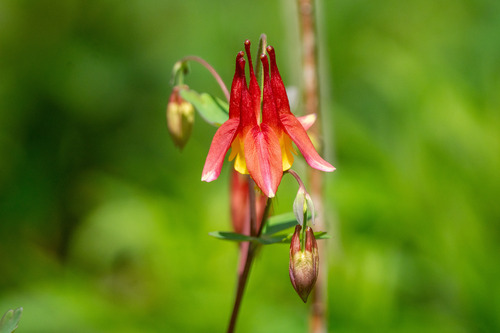
red columbine (Aquilegia canadensis) observed in Markham, ON L6B 1A...
Red columbine's spurred flowers are perfectly shaped for ruby-throated hummingbirds, so spotting ...
Drones collect insect DNA from crops to track farm biodiversity
The hedgerow or wildflower strip bordering a farm field you pass on a walk may be doing more for ...
Sexual selection in plants and animals: toward a unified framework.
Every flower in your garden is running a hidden competition: which pollen grain wins the race to ...
Gut microbiome composition and cellulolytic bacteria associated wit...
Carpenter bees tunneling through the dead wood in your garden fence or log pile may carry gut bac...
Bees and bumblebees are the top microbe couriers for flowers
Every bee that visits your garden flowers is also shuttling invisible microbial passengers that c...

Trees make their own bug-alarm scent when caterpillars attack
The next time you spot chewed leaves on a tree in the park, the plant may already be broadcasting...
Dakota mock vervain (Glandularia bipinnatifida) observed in Fort Wo...
Dakota mock vervain blooming in a Fort Worth yard or vacant lot is a signal that your local polli...
wild bergamot (Monarda fistulosa) observed in Franklin County, KY, USA
Wild bergamot is one of the best native plants you can add to a sunny garden border — it blooms m...

Toxic wild honey from rhododendron nectar keeps sickening Nepali ho...
That rhododendron blooming in your yard each spring produces nectar loaded with a compound potent...

Salty soil makes bees pickier about which tomato plants to visit
If you grow tomatoes in soil with any salt buildup, from coastal gardens to over-fertilized beds,...

Trending: oxeye daisy (Leucanthemum vulgare) — 377 observations this week
Oxeye daisy carpeting roadsides and meadows right now is quietly outcompeting native wildflowers ...

Local genetic neighbourhoods but resilient gene flow across anthrop...
Red campion's hot-pink flowers blooming along roadsides and hedgerows near your home are quietly ...

Rapid ecological speciation in gall inducers.
Those lumpy growths you notice on shrubs along roadsides and trails are actually the result of an...
Garden insecticides quietly reshuffle the bacteria living in soil
The soil under your vegetable beds or lawn hosts a bacterial community that keeps nutrients cycli...

Plum-damaging insect confuses sticky traps with flowers
If you grow plums, cherries, or apricots, the same white flowers that signal spring to you are al...
Evolutionary Footprint: A Systemic Indicator in Evolution, Ecology ...
When bees and other pollinators disappear from your neighborhood, the wildflowers left behind don...
wild bergamot (Monarda fistulosa) observed in Tennessee, US
Wild bergamot growing in Tennessee roadsides and meadows is a magnet for native bees, hummingbird...
Fruit tree netting blocks pests but also drives away pollinators
The netted apple, cherry, or nut orchard you pass on a drive through farm country is quietly cutt...

Better soil bacteria partners help caterpillars survive more than f...
The clover and legumes in your yard rely on underground bacterial partners whose quality, not jus...
Returning burrowing mammals to reserves reshapes which insects surv...
The burrowing animals that once turned over soil across Australia did for insects what a garden f...
Bee gut parasite was hiding in island colonies decades before scien...
Every third bite of food you eat exists because a bee visited a flower first, and the parasites q...

Scarlet Beebalm confirmed thriving in Ohio, welcoming hummingbirds and bees
Scarlet Beebalm is one of the few native perennials that draws hummingbirds, bumblebees, and swal...

Heat and scarce pollinators together shorten how long flowers stay open
Watch the wildflowers in a dry August meadow and you're watching evolution in real time: the same...
These bacteria trick plants into luring their own insect spreaders
That witch's-broom-looking cluster of stunted, bushy growth on a garden shrub or roadside tree co...

Tiny stingless bees make chili pepper plants more productive
If you grow peppers on a balcony or in a backyard bed, the tiny native bees buzzing around the fl...
Common milkweed confirmed growing near Ottawa's Lac des Chats
Milkweed is the only plant monarch caterpillars can eat, so knowing where it grows naturally poin...
Tufted vetch blooms draw hundreds of citizen-science observers this week
The dense purple flower clusters of tufted vetch attract bumblebees specifically, and spotting it...

Flowers' built-in symmetry keeps cross-pollination on track across ...
Native shrubs in pollinator-friendly gardens can maintain healthy reproduction even as bee commun...

Skipping fall bee feeding may not hurt colony strength or profits
If you grow fruit trees, squash, or any crop that needs pollination, the financial health of comm...

New England aster is blooming everywhere and people are photographing it
The purple-rayed asters lining roadsides and meadows this week are a late-season nectar stop for ...
Wild bergamot is blooming everywhere and pollinators are noticing
If you've got a patch of dry, sunny ground you don't know what to do with, wild bergamot fills it...
Milkweed sightings are spiking as bloom season peaks
The milkweed patch you've been letting grow wild in the back corner of your yard is exactly what ...
This flower blasts citrus scent only at dawn for bees
If you've ever wondered why some flowers in your garden seem fragrant one moment and scentless th...
One fly pollinates crops and eats pests at once
If you grow tomatoes, eggplant, or melons under any kind of cover, a single insect that both sets...
Chewed-up flowers still smell fine enough to attract pollinators
The flowers in your garden that get nibbled by beetles or caterpillars are likely still calling i...

Wildfires let two flower shapes take turns winning
If you've ever wondered why a burned hillside bounces back with a wild mix of flower shapes, this...

clasping milkweed (Asclepias amplexicaulis) observed in Lenox Rd NE...
Clasping milkweed is one of the rarer native milkweeds — spotting it in an Atlanta neighborhood m...
Phylogenetic history shapes the composition of floral scents in a s...
Next time you walk past a strangler fig or spot a weeping fig in a botanic garden, know that its ...

Legitimate pollen transfer in one- and three-dimensional heterostyl...
Wild flax flowers blooming in dry Mediterranean scrub have quietly evolved two different strategi...

Flowering phenology in species of Chamaecrista (L.) Moench: tempora...
Wild senna plants blooming along roadsides and meadow edges are running a daily floral shell game...
Wild bergamot is blooming everywhere right now, and people are noticing
If you've got bees, hummingbirds, or swallowtails visiting your yard this week, wild bergamot's l...
Ecological change may be a common initiator of evolutionary pollina...
Every time a gardener notices that bees have stopped visiting a plant that once buzzed with them,...
Bees that cut leaves for nests need better plant menus
If you've ever spotted neat, circular holes punched into your rose or redbud leaves, that's a lea...
Bee-loved native wildflower is popping up everywhere right now
If you've got a patch of purple, shaggy-flowered blooms buzzing with bees and hummingbird moths a...

Fireweed sightings are surging across the country right now
If you've hiked a burned-over hillside or a recent clear-cut this summer, that tall spike of pink...
Plants use four coordinated tactics to fend off hungry insects
The tomato plant that suddenly smells sharper after aphids arrive, or the oak leaves that toughen...

A High-Resolution Multifocal RGB Pollen Grain Image Dataset for Dee...
Native Chilean trees like the ulmo and quillay — whose pollen this dataset captures in unpreceden...
A leafcutting bee shows promise as a sunflower pollinator
If you grow sunflowers or any Asteraceae-family plants in your garden, the pollinator working you...
Hummingbirds are swallowing plastic fibers from nectar and air
The hummingbird feeder in your backyard draws the same birds now shown to carry plastic fibers in...

eastern redbud (Cercis canadensis) observed in Westover Rd, Shippen...
Eastern redbud is one of the earliest native trees to bloom each spring, offering a burst of mage...

white oak (Quercus alba) observed in Loves Park, IL, US
White oaks in your region support over 500 species of caterpillars and moths, making a single mat...
red columbine (Aquilegia canadensis) observed in Indian Trail, Davi...
Red columbine's distinctive red-and-yellow nodding flowers are one of the earliest spring nectar ...
common milkweed (Asclepias syriaca) observed in Chatmoss, VA, USA
Common milkweed growing in Chatmoss means monarch butterflies have a potential breeding and necta...

mapleleaf viburnum (Viburnum acerifolium) observed in Tolland Count...
Mapleleaf viburnum is one of the few native shrubs that thrives in deep shade under mature trees,...
Gardeners are spotting monarch-friendly milkweed everywhere this week
If you've got a patch of common milkweed in your yard or spot its pink flower clusters on a walk,...

Petunia's color genes also steer its scent and heat tolerance
If you've ever noticed that some petunias smell stronger or sweeter than others nearby, this is a...
Buzz strength, not buzz complexity, shakes pollen loose from flowers
If you grow tomatoes, peppers, or blueberries, the bees doing the real work are the ones that sha...
Boosting one rice gene creates a natural pest-repelling scent
The rice on your plate might one day need fewer pesticides thanks to a single gene that lets the ...
Fungal pest-control product harms stingless bee gut and movement
If you rely on native bees to pollinate garden crops or wild plants nearby, this study is a remin...

This white wildflower is blooming everywhere right now
If you spot clusters of small white daisy-like flowers along woodland edges or damp meadows this ...
Bee-safe pesticide dulls bees' sense of smell slightly
The bees pollinating your garden's tomatoes and squash rely on smell to find the right flowers, a...
Common milkweed sightings are surging on nature apps right now
If you've got a patch of milkweed in your yard or spotted one on a trail, this is the week its se...
Airborne plastic dust may be scrambling insects' sense of smell
The bees and butterflies visiting your garden rely on scent to find flowers, and this review show...
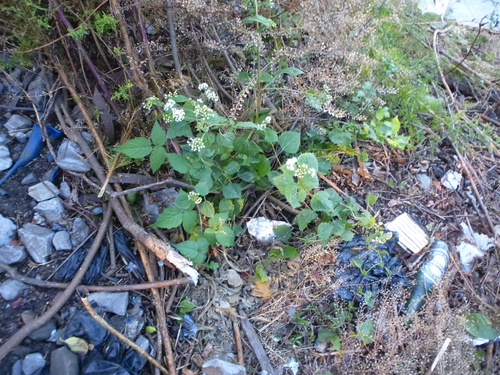
White snakeroot is blooming across U.S. woodlands and drawing stead...
The frothy white flowers lighting up your shady woodland edges this week are white snakeroot, a l...
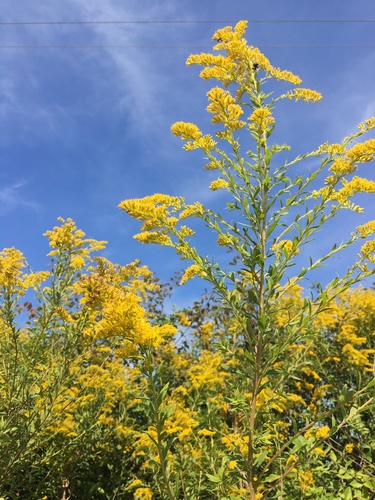
Tall goldenrod sightings surge as fall bloom peaks across the US
The golden plumes lining roadsides and meadows right now are a late-season buffet for native bees...

Frost aster is blooming across the US, and sightings are climbing fast
The small white asters lining roadsides and meadow edges this week are frost aster, one of the la...

Calico aster sightings jump 43% across Canada as fall bloom peaks
The small white asters lighting up woodland edges and shady garden corners right now are calico a...

Red osier dogwood sightings across Canada jump 27 percent in a single week
The bright red stems of red osier dogwood along your local creek or wet ditch are a native shrub ...

Panicled aster is blooming across Canada and users are logging it e...
The white-flowered aster along your trail or roadside is a late-season nectar source for migratin...
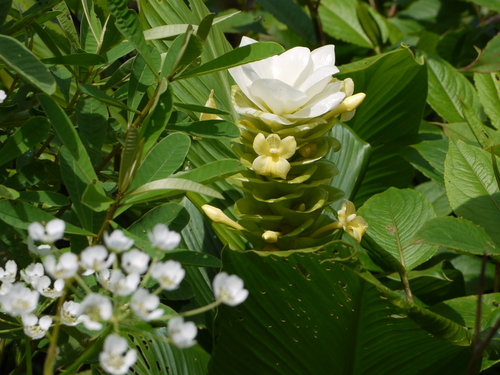
Rarest ginger flower color isn't the reproductive winner, common one is
If you've ever assumed the showiest flower in your garden must be the most successful at reproduc...
Wildfires create shifting pollinator pressures that preserve two fl...
If you've ever wondered why some wild plant populations stubbornly keep two different flower form...
Bee pollen stores hold hidden microbes shaped by habitat diversity
The wildflower patches and diverse plantings in your yard aren't just feeding bees directly, they...
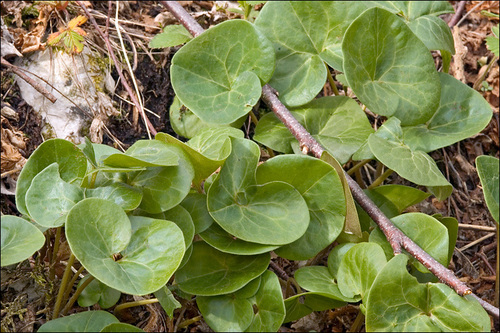
Wildflower times its stink to match fly visitor hours
If you've ever wondered why some low-growing woodland flowers smell faintly off, it's not decay i...
Gardeners are spotting monarch's favorite plant everywhere this week
If you've got milkweed in your yard or spot it on a walk, you're looking at the only plant monarc...
Solitary bees absorb far more metal pollution than honey bees do
If you grow apples or plant flowers to support pollinators, the fungicides and soil particles tho...
Vertical stratification and seasonality of fruit-feeding butterfly ...
Fruit-bearing trees in dry forests depend on butterflies to signal ecosystem health — when canopy...
Africa's tiny stingless bees remain a scientific mystery worth solving
If you keep bees or garden for pollinators, these stingless species quietly pollinate crops and w...
Honey bee gut bacteria carry resistance genes nationwide
The bees pollinating your tomatoes, squash, and fruit trees are quietly accumulating antibiotic r...
Cadmium pollution makes a rice pest easier to kill
If you grow rice or care about how farmers manage pesticide use near contaminated soils, this sho...
Experts narrow dozens of biodiversity metrics down to nine for farmers
The hedgerow, wildflower strip, or crop variety mix on a nearby farm could be measured against a ...
Plants and insects wage a hidden chemical tug-of-war
The aphids or caterpillars nibbling your tomatoes and roses aren't just eating; their spit is act...
How plants evolved thousands of scent and defense chemicals
The smell of crushed tomato leaves, the sharp scent of pine sap on your hands, and the bitter def...
Butterflies lost a gene and lost their chemical flexibility
The passionflower vines climbing a trellis in your garden are locked in a chemical arms race with...
Why related flowers evolve totally different looks for pollinators
The reason a bee-pollinated flower and its hummingbird-pollinated cousin can look nothing alike c...

How flowers time pollen release down to the hour
The bees and other pollinators visiting your garden depend on flowers opening their pollen sacs a...
Fig tree scents track family ties more than shared pollinators
If you've ever wondered how a fig tree calls in the one specific wasp species it needs to make fr...
Recovering mined forests can out-produce old growth in food for wildlife
If you've ever wondered whether a replanted woodlot or reclaimed lot can really support birds and...
Fireweed sightings are spiking on nature apps this week
The tall pink spikes popping up along trails, roadsides, and recently burned or disturbed ground ...
Plant family trees reveal ancient climate's fingerprint on pollinators
The bumblebees buzzing your garden squash and the moths visiting your evening primrose evolved th...

Smarter canola pest control comes from teamwork, not just tactics
The hedgerows, flowering borders, and mixed plantings you see edging farm fields aren't just pret...
Climate change hits food supply through four connected pathways
The tomatoes struggling in your backyard during a heat wave or the aphid explosion on your roses ...

This pink wildflower is blooming and popping up everywhere right now
If you've got a damp corner of the yard or live near a wetland, this is your cue that spotted Joe...
Remembering the botanist who redefined how plants and insects evolv...
The idea that butterflies and the plants they eat shaped each other over millions of years, an id...
Single gene controls the fatty, colorful coating on pollen
The dusty coating on pollen you see on bees and windowsills isn't just mess, it's a carefully eng...
foxglove beardtongue (Penstemon digitalis) observed in Windber, PA, US
Foxglove beardtongue is one of the easiest native perennials to establish in a sunny border, and ...
Women know pollinators best but rarely lead conservation efforts
The person who notices exactly when a squash blossom opens or when bees are working a hedgerow is...

Sacred Datura (Datura wrightii) observed in Mount Rainier Ct, Pleas...
Sacred Datura's large, white trumpet flowers open at dusk and are pollinated almost exclusively b...
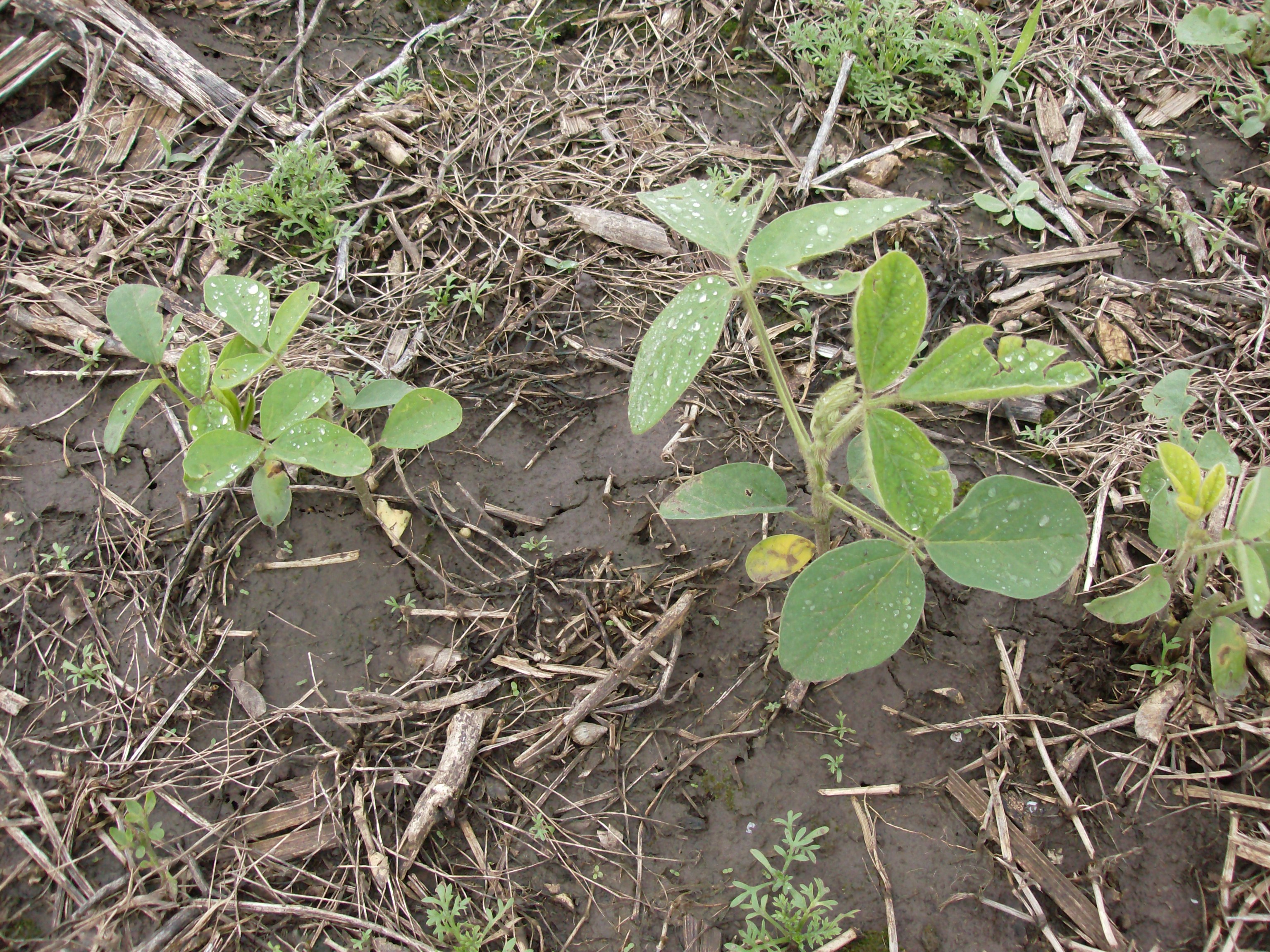
Bushier soybean plants make pest-control wasps far less effective
If you release beneficial insects in a vegetable patch or orchard, this shows the plant's own sha...

Winter moths don't genetically tune themselves to specific oak trees
The oak in your yard and its resident caterpillars might not be as finely matched as nature docum...

Cardinal flower sightings surge as its red blooms peak
If you've got a damp, part-shady spot near a stream, pond edge, or rain garden, this tall red wil...

This vivid blue wildflower is blooming and getting noticed nationwide
If you've got a damp spot along a stream, pond edge, or low garden corner, this native perennial ...
Ethanol soak detects pesticides in bees without dissecting them
The bees working your garden flowers could be carrying pesticide residues you'd never see, and th...

This weed hides most of itself underground to survive
If you've ever tried to pull a stubborn weed only to have it return weeks later, this plant's str...
This striking blue wildflower is blooming everywhere right now
If you've got a damp spot in your yard where nothing else thrives, this native perennial blooms e...

This fuzzy white wildflower is popping up everywhere right now
If you spot papery white flower clusters with yellow centers along a dry trail or roadside this w...
Plant compounds and nanotech team up to fight crop pests
The tomatoes and herbs you grow at home could one day be protected by pest sprays made from plant...

This corn gene releases a scent that fights caterpillars
The corn growing in home gardens and farm fields relies on genes like this one to release invisib...
Sticky aphid droppings host a secret microbial ecosystem
That shiny, sticky coating you wipe off your car or patio under a tree is honeydew from aphids or...
Protein-based pesticides could target pests without harming other insects
The bees and ladybugs working your garden could survive future pest control efforts if these prec...

Desert cactus flowers hedge their bets with two pollinators
If you grow cacti or succulents, this shows why some plants keep their pollination options open: ...
Bees' breath can reveal hidden infections, new sensor shows
If you keep bees or just want the ones in your yard to survive, a device that smells disease befo...

This striking blue wildflower is blooming everywhere right now
If you've got a damp, part-shaded corner of your yard or walk near a creek, this is peak season t...

This native wildflower is blooming everywhere right now
If you've noticed clusters of small white flowers along roadsides, ditches, or the edge of your y...
This purple fall wildflower is popping up everywhere right now
If you spot a cluster of purple, daisy-like flowers with yellow centers along a trail or in an un...

A single scent gene switches mosquitoes from flowers to blood
The lantana bush blooming in your yard isn't just pretty, it's a mosquito buffet, and understandi...
Common fungicide harms earthworms' gut health and reproduction
The earthworms tilling and aerating your garden soil right now could be quietly poisoned by a fun...
Native European honey bees are vanishing fast in some countries
The bees pollinating your tomatoes and apple trees aren't all the same, and swapping out locally ...
New England aster is blanketing meadows and roadsides right now
That burst of purple you're seeing along trails and in unmowed ditches is a critical late-season ...

Sea lavenders use two different tricks to avoid self-pollinating
If you've ever wondered why some flowers have short stamens and tall pistils while others are rev...

Kiwifruit orchards get more spiders from cornfields than forests
The orb weavers and wolf spiders patrolling your garden edges are free pest control, and this stu...
Ants, beetles and snails help scatter seeds too
The ants and beetles crawling through your garden mulch might be carrying seeds in their gut to a...
Black-eyed Susans are blooming everywhere right now, data shows
If you've noticed bright yellow daisy-like flowers popping up along trails and roadsides lately, ...
Gardeners are spotting this feathery-leaved wildflower everywhere right now
That fern-like plant with flat white flower clusters growing in your lawn edges or roadside ditch...
Fireweed's pink blooms are lighting up nature apps right now
If you spot a tall spike of magenta flowers blooming from the bottom up along a trail, roadside, ...

Pollen's tiny textures reveal which flowers bees really visit
The wildflowers and weeds you let grow at the edge of your yard could be exactly what's feeding l...

Mirror-image flowers are evolving toward self-pollination in some p...
If you've ever wondered why some wildflower patches produce fewer seeds or less genetic variety t...

New model predicts pollen seasons by combining weather and emission data
If you've noticed your allergies flare up on different days depending on which park or neighborho...
New England aster sightings surge as fall bloom peaks
If you've got a patch of these purple daisies holding on in a field or roadside near you, you're ...
Goldenrod sightings drop as bloom season starts fading
If you've been seeing fields of yellow goldenrod along roadsides and in meadows, this late-season...
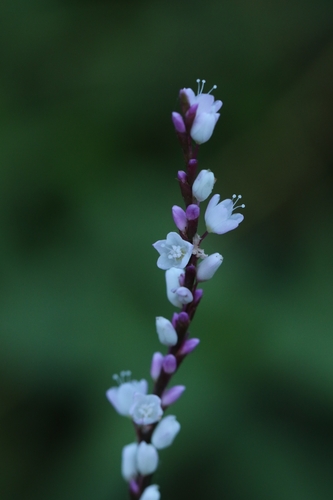
Flowers without tubes still sort pollen for cross-pollination
Next time you spot a simple, open flower buzzing with flies or small insects, know that its shape...
black-eyed Susan (Rudbeckia hirta) observed in N Bowman Springs Rd,...
Black-eyed Susans blooming along roadsides in the DFW area are a cue that your summer pollinator ...

violet woodsorrel (Oxalis violacea) observed in Kentucky, US
Violet woodsorrel thriving in Kentucky meadows and open woodlands signals healthy native ground c...

Sweet scabious (Sixalix atropurpurea) observed in Arbor Hills Trail...
Sweet scabious blooming along a North Texas nature trail signals this drought-tolerant Mediterran...
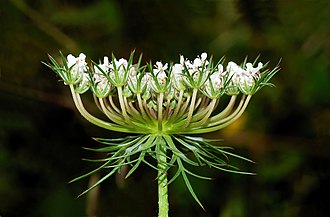
Wild carrot's lacy white blooms are everywhere right now
Those umbrella-shaped white flower clusters popping up in vacant lots and roadside ditches this w...
Predators sniff out prey using leaked chemical scent trails
The ladybugs, parasitic wasps, and other natural pest-killers patrolling your garden are followin...
This tiny purple flower is popping up in yards everywhere
That low, purple-flowered plant sneaking into your lawn between mowings isn't a weed to spray, it...
Common milkweed sightings surge as monarch season peaks
The tall, pink-flowered weed you might have yanked from a garden bed is the only plant monarch ca...
Plant traits can predict extinction risk from habitat fragmentation
If you've ever wondered why some wildflower patches in a fragmented woodlot thrive while others q...

This butterfly picks the wrong host plant on purpose
If you've ever wondered why a butterfly ignores the lush, perfect host plant in your garden and l...
DNA pollen testing shows which flowers bees need after wildfires
If you're replanting a burned slope or a fire-prone hillside near your home, knowing which specif...
Newly found soil bacterium breaks down bee-harming pesticide fast
The neonicotinoid residue that lingers in soil long after it's sprayed is one reason bees and oth...
Asian bumblebees turn out to be a genetically distinct group
The bumblebee bumbling through your tomato blossoms belongs to a species whose Asian relatives ca...
Amber-trapped bee reveals ancient pollen-carrying trick and a hitchhiker
The leaf-cutter bees nesting in your garden's bee hotel today carry pollen the same dry, compacte...
City botanical gardens act as bird sanctuaries in Ethiopia
The layering of trees, shrubs, and flowering plants in a garden determines whether you'll spot in...

Wildflowers shorten their bloom time when pollinators visit more often
If you've noticed some blooms in your garden fade fast while others linger for days, pollinator v...

American trumpet vine (Campsis radicans) observed in S Arlington Ri...
American trumpet vine's hummingbird-red blooms are a magnet for ruby-throated hummingbirds in lat...

bird's-foot trefoil (Lotus corniculatus) observed in Wauwatosa
Bird's-foot trefoil creeping into Wauwatosa lawns and roadsides can outcompete native clovers and...
common selfheal (Prunella vulgaris) observed in N Oakwood Ave, Ocon...
Common selfheal growing in a lawn or sidewalk strip is one of the easiest medicinal wildflowers t...
bird's-foot trefoil (Lotus corniculatus) observed in Fresh Pond Gol...
Bird's-foot trefoil spreads quietly through lawns and golf courses, fixing nitrogen in the soil a...
fireweed (Chamaenerion angustifolium) observed in Glace Bay, NS B1A...
Fireweed is one of the first plants to colonize disturbed ground — if you're restoring a bare pat...

twinberry honeysuckle (Lonicera involucrata) observed in 140th Ave ...
Twinberry honeysuckle's paired black berries on bright red bracts are one of the most distinctive...
Hidden viruses in traded insects may quietly harm wild pollinator colonies
Bees, beetles, and other insects pollinating your garden or producing your honey may carry hidden...
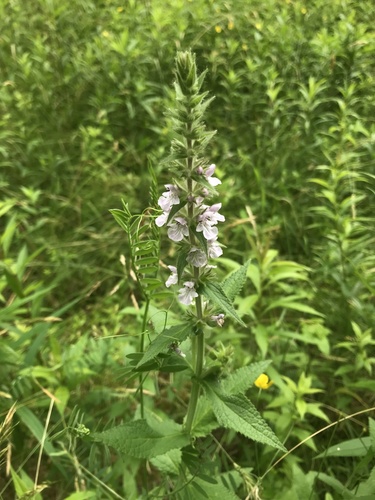
Prairie woundwort spotted along rural Ontario roadsides supporting ...
Prairie woundwort is a native perennial that attracts bumblebees and supports wild pollinator pop...

Evening-primrose spotted in Ashfield draws sphinx moths and native bees
Common evening-primrose growing along roadsides and disturbed ground near you is a powerful polli...
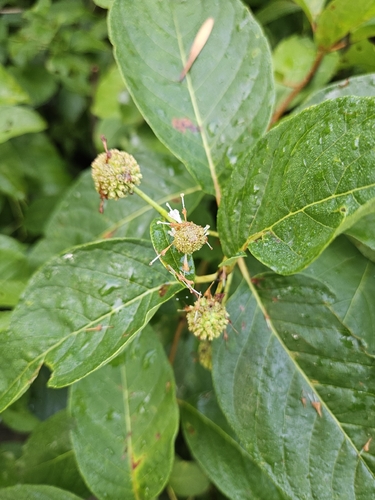
Buttonbush spotted thriving in Charlottesville's Greenbrier neighborhood
Buttonbush is one of the best native shrubs you can plant near a wet spot or rain garden — its gl...

Spreading dogbane spotted and verified in coastal Maine community
Spreading dogbane is one of the few native plants that monarch butterflies and hummingbird moths ...
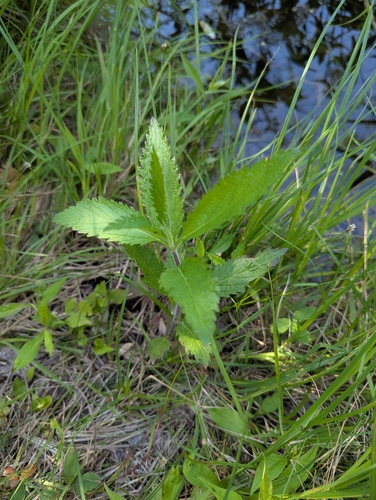
Blue vervain spotted and verified in Kaukauna, Wisconsin neighborhood
Blue vervain growing near residential streets signals healthy pollinator corridors in your commun...

The abundance of pollen coat small signaling proteins shows limited...
Every tomato, apple, and wildflower in your garden depends on pollen carrying just the right surf...

The X-ray crystal structure and biochemical analysis of a native ba...
The proteins plants pump into their flowers may be doing jobs we haven't imagined yet — and under...

upright prairie coneflower (Ratibida columnifera) observed in Tusco...
Upright prairie coneflower thrives in the dry, rocky soils most gardeners curse — spotting it nat...

Lilac chaste tree (Vitex agnus-castus) observed in Brookhouse Dr, S...
Lilac chaste tree thrives in hot, dry conditions and produces long lavender flower spikes that dr...
foxglove beardtongue (Penstemon digitalis) observed in Jackson Town...
Foxglove beardtongue is one of the most reliable native perennials for attracting long-tongued be...

common columbine (Aquilegia vulgaris) observed in Coniston Rd, Bost...
Common columbine's distinctive spurred flowers are among the first to feed emerging hummingbirds ...

Carolina rose (Rosa carolina) observed in Upton Cemetery Ln, Upton, KY, US
Carolina rose is a tough, drought-tolerant native shrub that supports pollinators and wildlife — ...

Beetles reward woodland wildflowers that make more and sweeter nectar
The wildflowers carpeting a shady forest floor are competing for beetle visits, and the plants wi...
Pollinator prediction models need real biology, not just statistics
The pollinator forecasts conservation groups use to plan habitat restoration could be quietly wro...
Researchers weigh pollen grains to decode how pollination works
Every sneeze-inducing pollen cloud drifting through your yard in spring depends on grain weight a...
Elephant grazing reshapes rainforest bird communities, researchers find
The birds foraging on the forest floor beneath a canopy of trees you'd recognize from any tropica...
Tall goldenrod sightings stay high as fall bloom winds down
If you've noticed tall yellow flower spikes lighting up roadsides and field edges this month, you...
Milkweed sightings stay high across Canada as autumn sets in
If you're growing milkweed for monarch butterflies, this is the time of year the seed pods split ...

Native lupine spotted thriving along a Vancouver, WA creek trail
If you walk or garden near Pacific Northwest waterways, this is the purple-flowered native that s...
Wild carrot sightings are spiking on nature apps this week
That lacy white flower cluster along your roadside or trail edge, often mistaken for its poisonou...

Native buckwheat spotted thriving on Bolsa Chica coastal trail
If you're restoring a native garden or hiking Southern California's coast, this tough, drought-pr...

Scientists review faster ways to catch a sneaky plant virus
If you've ever seen ring-shaped spots or dead patches on tomato, sunflower, or ornamental leaves ...
Native blue vervain spotted thriving along Buffalo's urban waterfront edge
Blue vervain's purple flower spikes feed native bees and butterflies, and it grows happily in dam...

Native Puget Sound gumweed spotted growing in a Portland neighborhood
The sticky-budded gumweed blooming in Portland's urban edges is a tough native that feeds late-se...

Rare coastal wildflower spotted and verified in Northern California
If you hike Northern California's foggy coastal bluffs, you might be walking past a globally rare...
This scrappy white wildflower is having its fall moment
If you've noticed clouds of small white daisy-like flowers taking over unmowed edges and meadows ...
Calico aster is still having a big fall moment in Canada
If you're walking trails or field edges right now, the small white-and-purple-centered daisies cr...

Showy milkweed confirmed growing wild in Winthrop, Washington
Monarch butterflies depend entirely on milkweed to lay their eggs, so every verified sighting lik...
New England aster sightings drop as fall bloom fades
If you've got asters blooming along a fence line or trail edge right now, you're watching one of ...

Anise hyssop spotted thriving along Manhattan's riverside greenway
If you're hunting for a tough native plant that bees and butterflies love, a confirmed city sight...
Antibiotic pollution stunts fruit flies by starving their gut bacteria
The oriental fruit fly is a major pest of orchard and garden fruit worldwide, so anything that re...
Frost aster sightings are fading fast as fall bloom winds down
If you've noticed clouds of small white daisy-like flowers lining roadsides and fields this month...
Fewer New England asters spotted as fall bloom season winds down
If the tall purple-pink aster brightening roadsides and meadow edges near you is starting to look...

Naturalist spots native turkey mullein thriving in southern Oregon
Turkey mullein is a magnet for native bees and was historically used by Indigenous communities to...

white clover (Trifolium repens) observed in Marcliff Rd, Rockville, MD, US
White clover growing in your lawn is quietly fixing nitrogen from the air into the soil — a free ...
American trumpet vine spotted and verified in Chesapeake, Virginia
American trumpet vine's bright orange blooms are a magnet for ruby-throated hummingbirds, so spot...
Native buckwheat spotted thriving along LA fire road
This scrubby shrub feeds more native bee and butterfly species than almost any other plant in Sou...

Fragrant white wildflower spotted high in Arizona's Dragoon Mountains
If you garden in the Southwest, this trumpet-flowered native blooms at night and draws hawkmoths,...
Neighbors confirm wild California buckwheat growing along a Saratog...
California buckwheat is one of the best native shrubs for a dry, sunny Bay Area yard, feeding bee...

Showy purple aster confirmed growing wild in British Columbia's Car...
If you're hiking or gardening in BC's interior, this is a native late-summer bloomer that pollina...
Trumpet vine spotted thriving on a Pittsburgh city street
If you've got a bare fence or trellis and want to pull in hummingbirds all summer, this vine's or...

Native cup plant spotted thriving in a Wisconsin yard
If you're planting a pollinator patch, cup plant's water-catching leaf cups double as tiny bird b...

Fragrant wildflower confirmed growing in Texas Panhandle grassland
If you're mapping native plants for a pollinator garden in the southern plains, every confirmed s...
Native pearly everlasting wildflower confirmed growing wild in Richmond
This fuzzy white-flowered native is a magnet for American lady butterflies, whose caterpillars ea...
Monarch host plant confirmed growing along a Utah street
If you're trying to attract monarch butterflies to your own yard, this sighting confirms showy mi...
Common yarrow spotted thriving on a Portland street curb
That feathery-leafed plant popping up in sidewalk cracks and parking strips isn't just weedy fill...
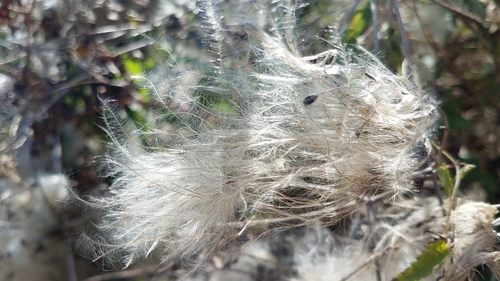
Fluffy native vine spotted thriving in Austin's wild spaces
That wispy, silver-plumed vine climbing over fences and shrubs near Austin trails is a native Tex...

Sunny native wildflower spotted growing wild in Vancouver street
Spotting Lance-leaved Coreopsis thriving on a city street shows how well this drought-tolerant na...

Fragrant native shrub confirmed thriving in NJ Pine Barrens
This shrub's late-summer flowers are a magnet for bees and butterflies, so spotting it thriving i...

Native coastal shrub spotted thriving on the Sonoma coastline
If you garden anywhere near the coast, coyote brush is the native shrub that shrugs off salt spra...
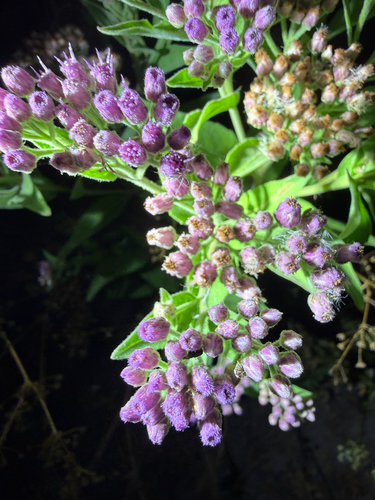
Marsh fleabane spotted and confirmed in a California coastal city
Spotting marsh fleabane in your local wetland or drainage ditch tells you the soil stays wet enou...
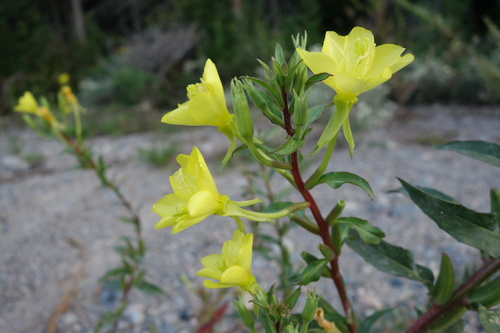
Native evening-primrose found blooming along a Boone, North Carolin...
The yellow wildflower popping up in gravel edges and lot margins near you may be a native evening...
Wild sunflower confirmed growing along a Sacramento-area road
That roadside stretch of Elverta might look like scrubby edge-land, but a confirmed sunflower sig...
Native twinberry honeysuckle spotted and confirmed in BC's Thompson-Nicola
If you hike or garden in interior British Columbia, this shrub's shiny black twin berries and red...

Native pink shrub confirmed growing wild on BC's Sunshine Coast
If you're restoring a soggy corner of your yard or a streambank near you, Rose Spirea is the kind...

Native Pacific ninebark spotted thriving in an Oregon roadside
Pacific ninebark is a workhorse native shrub for Pacific Northwest gardeners: its spring clusters...

Fragrant native wildflower spotted thriving in West Texas town
Lemon beebalm's minty-citrus scent and long summer bloom make it a bee and butterfly magnet you c...
Everyday meat, eggs and dairy carry most forever-chemical exposure
If you raise backyard chickens, keep a small flock, or just buy eggs and milk from local farms, t...
Spotted in Texas: a tough native wildflower bees love
If you're planning a drought-tolerant native bed, this coneflower's confirmed presence in Central...
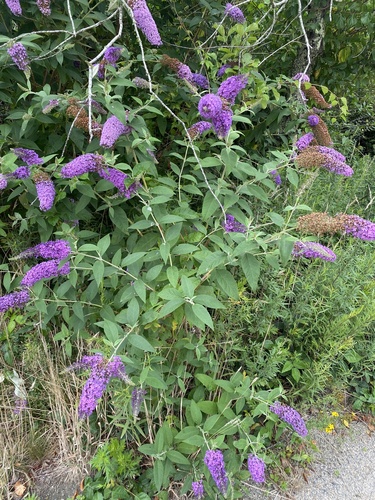
Butterfly bush confirmed growing wild on a Reno street
If you've got a butterfly bush in your yard, this sighting is a reminder that the same shrub poll...

Native onion with drooping pink flowers confirmed growing in Coupeville
Nodding onion is a native pollinator magnet with edible bulbs, so spotting one growing wild is a ...

Native evening-primrose spotted thriving along Wisconsin's Ice Age Trail
The yellow flowers that pop open at dusk along your evening trail walk aren't just pretty, they'r...
Rare blue wildflower confirmed growing along Wisconsin's Ice Age Trail
If you hike wetland edges or stream banks in the Upper Midwest this time of year, great blue lobe...

Drought-tough Sleepy Morning plant confirmed growing on Kauai campus
If you're trying to fill a sunny, dry corner of your yard with something tough and pollinator-fri...
Bright native wildflower spotted growing wild in Ontario yard
If you're trying to fill a sunny, dry patch of garden with something pollinators love and deer te...

A native holly with winter berries confirmed growing in New York
If you've ever wondered why certain yards keep bright red berries all winter while everything els...

Pungent native wildflower confirmed blooming in Mount Hamilton hills
If you hike or garden in California's inner coast ranges, Vinegar Weed's sharp, vinegary scent an...
Wasp venom chemistry hijacks host insects from the inside out
If you've ever watched a caterpillar in your garden get taken over by tiny wasp larvae, this rese...
Scientists see how fruit fly noses detect mating signals
The fruit flies buzzing around your compost bin or overripe tomatoes use this exact molecular swi...
Species in Topic
Rice
Corn (maize)
 Wheat
Arabidopsis
Tomato
Thale Cress
Soybean
Tobacco
Apple
Canola
Rapeseed
Olive
Sunflower
 Alfalfa
Cucumber
 Mustard
Common Milkweed
Common Yarrow
 Clover
 Grasses
Wild Carrot
 Blueberry
 Eggplant
Fireweed
Indian mustard
 Queen Anne's Lace
Oak
Orchid
White Clover
eco
White snakeroot
 Cherry
Common Selfheal
Kiwifruit
 Melon
Oilseed Rape
Pear
Smooth Cordgrass
Wild Bergamot
Black-eyed Susan
 blackberry
Large White Trillium
New England aster
Rhododendron
Birch
Dame's Rocket
Fig
Lantana
Oxeye Daisy
Pink Lady's Slipper
Red osier dogwood
Almond
Eucalyptus
Frost aster
great blue lobelia
Petunia
eco
Tall Goldenrod
Tobacco (Nicotiana benthamiana)
Tufted Vetch
American trumpet vine
 Berries
California Buckwheat
Canada anemone
Dakota mock vervain
eco
Foxglove Beardtongue
Passionflower
Pearly everlasting
Solomon's plume
Wild Geranium
 Anemone
bird's-foot trefoil
eco
Blue Vervain
 Brassica
Butterfly Milkweed
Calico aster
Chili pepper
Common evening-primrose
Corydalis
Costus
Cup Plant
Eastern Redbud
Lance-leaved Coreopsis
Lapeirousia anceps
Partridge Pea
eco
Red Columbine
Rubber Rabbitbrush
Sacred Datura
Showy milkweed
Turkey mullein
Twinberry Honeysuckle
Upright Prairie Coneflower
eco
Velvet bean
Virginia strawberry
Water primrose
eco
wild ginger
 Wild Phlox
African tulip tree
Alsike clover
American basketflower
Anise hyssop
eco
Asarum savatieri
Banksia attenuata
Blackcurrant
 Bloody cranesbill
Bramble
Buffelgrass
 Bur Marigold
eco
Butterfly bush
eco
Buttonbush
calabash tree
Cardinal flower
Carolina rose
Chinese Ixora
Chrysanthemum (pyrethrum)
Clasping Milkweed
columnar cactus
Common Columbine
eco
common fig (Ficus heterophylla)
Common morning glory
Cowslip
Coyote brush
Crape Myrtle
 Crescentia alata
eco
Curcuma caulina
eco
Cymbidieae orchids
 Cypress
eco
Davilla elliptica
eco
Desfontainia fulgens
 Ficus auriculata
eco
Ficus oligodon
Flat-top white aster
Fly Poison
 Garden Phlox
 Gevuina (Chilean Hazelnut)
 Haageocereus acranthus
eco
hay meadow grasses
 Hedge Woundwort
eco
Heterostemma ficoides
Himalayan Balsam
Huckleberry
Japanese orange cherry (Idesia polycarpa)
 Jungle Flame (Ixora coccinea)
Katsura
Late boneset
Lemon Beebalm
Lilac chaste tree
 Lily Magnolia
eco
Limonium chrysocomum
 Linum suffruticosum
 Linum tenue
Mapleleaf Viburnum
 Maqui Berry
eco
Marsh fleabane
 Melastomes
Mexican Giant Hyssop
Milkweed
Morinda royoc
Mucuna
Murici (Byrsonima pachyphylla)
Nardus grass
New Jersey tea
Nierembergia rivularis
Nodding onion
eco
Old Man's Beard Clematis
Pacific ninebark
Panicled aster
Perfumeballs
eco
Persicaria jucunda
 Plane tree
Plum
eco
Prairie Woundwort
Primrose Willow
 Prunus (stone fruit trees)
Puget Sound gumweed
 Quillay
Red Campion
Riverbank Lupine
eco
Rock Cress
Rose-pink
Rose Spirea
Rosepink
 Rubiaceae shrub
 Sabatia
Satyrium orchid
Saucer Magnolia
Scarlet Beebalm
Sea lavender
 Sensitive Pea
 Shepherd's Purse
Showy Aster
eco
Siberian Corydalis
 Sleeping Plant
Sleepy Morning
eco
Small-flower evening-primrose
Spiral Ginger
Spotted Joe-Pye weed
Spreading dogbane
Sweet Four o'Clock
Sweet Pepperbush
Sweet scabious
eco
Turnip/Field Mustard
Ulmo
Vachellia abyssinica
Vellozia (canela-de-ema)
Vinegar Weed
violet woodsorrel
Wachendorfia
White Oak
Wild flax
Wild Senna
Wildflower
Windflower
Winterberry Holly
Wolf's Evening Primrose
Wood cranesbill