foxglove beardtongue (Penstemon digitalis) observed in Jackson Township, IN, USA
iNaturalist: rosebugg
Native Plants
Foxglove beardtongue is one of the most reliable native perennials for attracting long-tongued bees and hummingbirds, and seeing it persist in a mowed rest-stop corridor is a reminder that roadsides can act as surprising refuges for native plants.
Someone passing through Indiana noticed a beautiful native wildflower — foxglove beardtongue — growing at a highway rest stop. This tall, white-flowered plant is native to eastern North America and is well-loved by bumblebees and other pollinators. Finding it in a roadside setting shows how tough and adaptable this plant is, even in disturbed or maintained landscapes.
Key Findings
Foxglove beardtongue observed at an I-70 rest stop in Jackson Township, Indiana, documenting its presence in a roadside corridor habitat.
The sighting contributes a georeferenced data point to iNaturalist's citizen-science database, helping track the species' distribution across the Midwest.
The plant's persistence in a maintained rest-stop environment highlights its tolerance of disturbed, mowed, or edge habitats.
chevron_right Technical Summary
A foxglove beardtongue (Penstemon digitalis) was spotted growing at an I-70 rest stop in Jackson Township, Indiana — a native prairie and woodland-edge wildflower thriving in a roadside corridor.
Abstract Preview
Rest stop on I 70
open_in_new Read full abstractAbstract copyright held by the original publisher.
Species Mentioned
Was this useful?
Want to tell us more? (optional)
Thanks for the note!
Something went wrong — please try again.
Too many submissions. Try again in an hour.
Warming killed underground fungi and pushed meadows toward shrublands
Mountain meadows and wildflower-rich grasslands many people hike through and depend on for clean water and biodiversity are quietly transforming underground ...
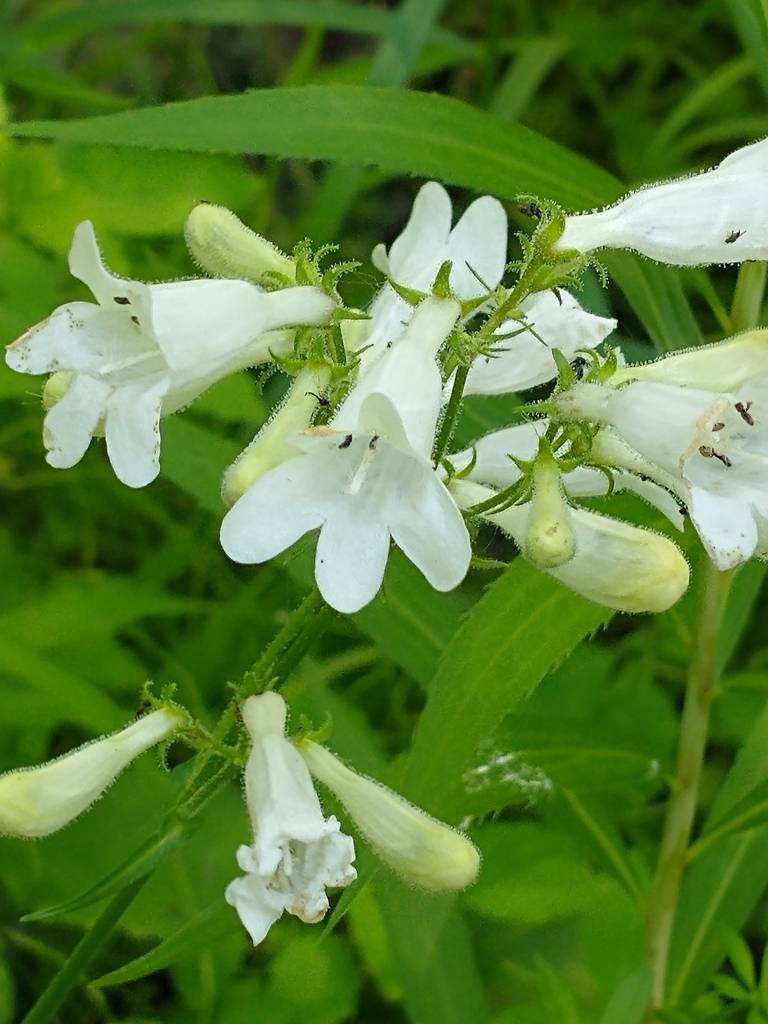
Photo (c) Tom Norton, taken in Vermont, United States. CC BY via iNaturalist.
Pollinators are animals—such as bees, butterflies, birds, and other insects—that transfer pollen from a flower's anther to its stigma, enabling fertilization and seed production. This process underpins plant reproductive success and genetic diversity, making pollinator research essential for
arrow_forward Explore topic