Fluffy native vine spotted thriving in Austin's wild spaces
iNaturalist: georgoshawk11
Native Plants
That wispy, silver-plumed vine climbing over fences and shrubs near Austin trails is a native Texas plant that pollinators rely on late in the season when few other blooms remain.
Someone in Austin spotted a Clematis drummondii vine, known as Old Man's Beard for its wild, feathery seed heads, and got the sighting confirmed by other naturalists as accurate. It's a Texas native vine that produces small white flowers followed by those famous fluffy seed plumes, and it's a familiar sight scrambling over fences and brush across the Hill Country and beyond.
Key Findings
Observation reached 'research-grade' status on iNaturalist, meaning the identification was confirmed by the community.
Sighting location: Austin, Texas, US.
Species identified as Clematis drummondii, a Texas-native climbing vine also called Old Man's Beard.
chevron_right Technical Summary
A verified sighting of Old Man's Beard Clematis, a fluffy-seeded native vine, was logged in Austin, Texas, confirming the plant's presence and health in local wild spaces.
Abstract Preview
Original paper
Old Man's Beard Clematis (Clematis drummondii) observed in Austin, TX, US
Research-grade observation of Old Man's Beard Clematis in Austin, TX, US.
open_in_new Read full abstractAbstract copyright held by the original publisher.
Species Mentioned
Was this useful?
Want to tell us more? (optional)
Thanks for the note!
Something went wrong — please try again.
Too many submissions. Try again in an hour.
Warming killed underground fungi and pushed meadows toward shrublands
Mountain meadows and wildflower-rich grasslands many people hike through and depend on for clean water and biodiversity are quietly transforming underground ...
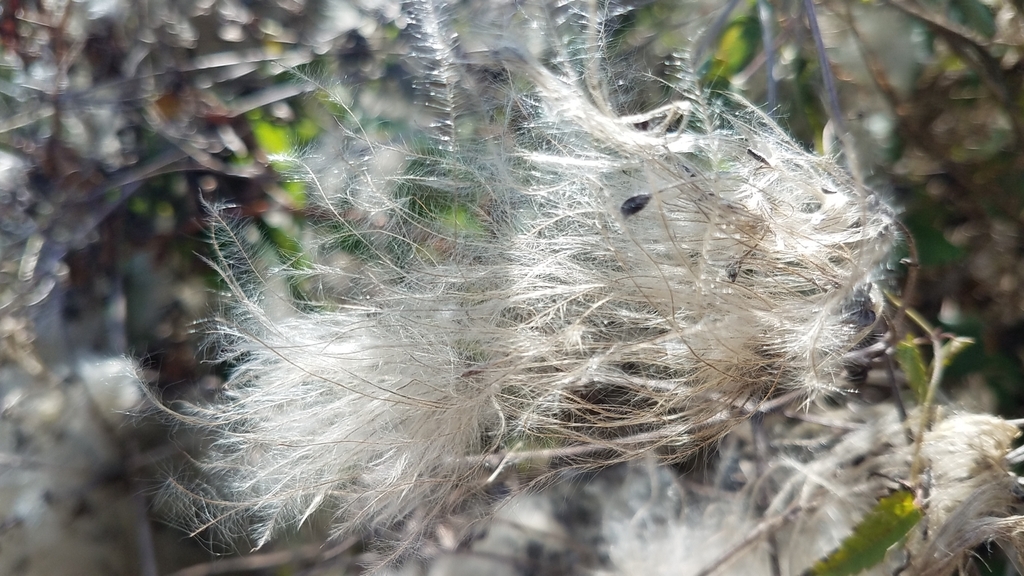
Photo (c) Alan Rockefeller, taken in Texas, United States. CC BY via iNaturalist.
Urban ecology is the scientific study of living organisms and their interactions within densely developed environments dominated by buildings, paved surfaces, and human infrastructure. For plant science, this field is essential because it investigates how plants adapt and survive in fragmented
arrow_forward Explore topic