Plant science for plant people.
We read the research papers so you don't have to. 6130 discoveries from PubMed, iNaturalist, bioRxiv, and more, curated for curious gardeners.
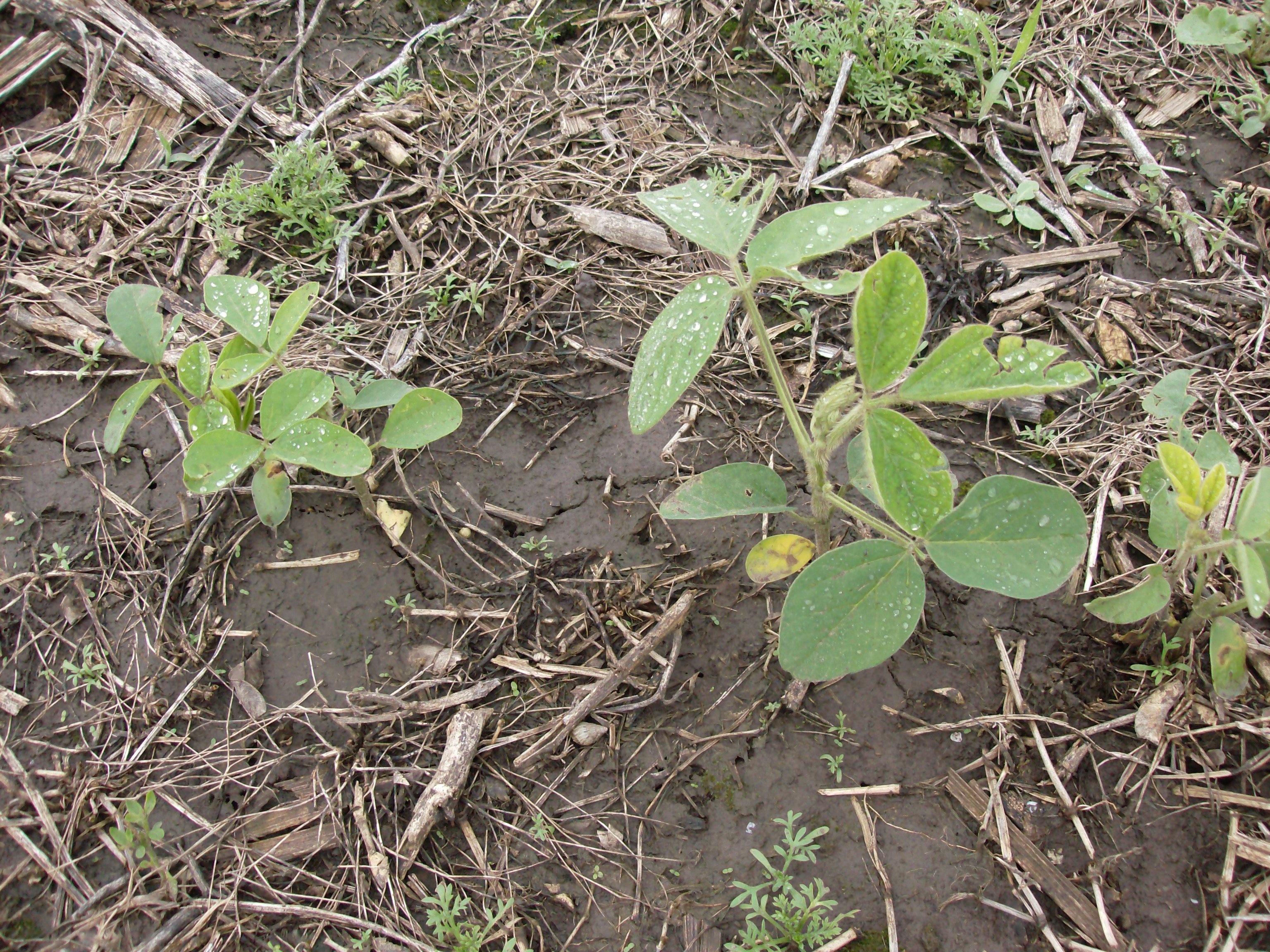
Soybeans in shade recruit soil bacteria using sugar signals
Put a soybean in the shade and it stops talking. Dim light cuts the sucrose and pipecolic acid leaking from its roots, and those two compounds are exactly what summon the bacteria that build its nitrogen-fixing nodules. The plant goes quiet underground before it goes small above ground.
Across field data from intercropped and densely planted legume systems, low light drove the losses in more than 70% of cases, with light intensity the top single cause of reduced yield. Shaded roots held less bacterial variety, and the root-zone networks thinned out, losing the Rhizobiales and Burkholderiales groups tied to nodulation. Researchers then put those bacteria back, as isolates and as a small assembled community, and the shaded plants recovered: better photosynthesis, steadier internal chemistry, more growth.
That same trick shows up in wolfberry shrubs planted on salty coastal ground. Adding the fungus Trichoderma raised the variety of bacteria around the roots without changing which species were present, and that variety alone explained more of the plants' bigger yields than the extra nitrogen did. Richness in the root zone was doing the work.
Most of us treat a shady bed as a light problem and reach for a different plant. It's also a conversation problem, and this week's research says the conversation can be restarted from the soil side. Something to sit with next time you're squinting at a struggling row under a maple, wondering whether to move it or feed it.
nutrition
If you grow food
How science is making crops tougher, tastier, and easier to grow.
chevron_right
If you grow food
How science is making crops tougher, tastier, and easier to grow.
landscape
If you're curious about soil
The living network of fungi, bacteria, and chemical conversations beneath your feet.
chevron_right
If you're curious about soil
The living network of fungi, bacteria, and chemical conversations beneath your feet.
sensors
How plants talk
Chemical signals, stress responses, and the hidden language of plant communication.
chevron_right
How plants talk
Chemical signals, stress responses, and the hidden language of plant communication.
thermostat
Living with a changing climate
How plants adapt, migrate, and respond as seasons shift and extremes intensify.
chevron_right
Living with a changing climate
How plants adapt, migrate, and respond as seasons shift and extremes intensify.
More This Week

Plants build tiny protein sunscreens to survive scorching sunlight
As summers get brighter and hotter, the crops in your garden and the staple grains on your plate may one day be bred ...
Seeds remember past warmth more than the warmth they sprout in
If you're growing alpine or rock-garden species from seed, this explains why identical sowing conditions can give wil...
Bee declines haven't dragged down global crop yields yet
The tomatoes and squash in your garden may still set fruit fine even as native bee sightings dwindle, because managed...

Fat droplets in plant cells fight off viruses naturally
The wheat and rice on your plate could one day resist devastating viral infections without farmers needing to spray m...
Soybeans in shade recruit soil bacteria using sugar signals
If you've ever wondered why crops or garden plants crowded into shady spots underperform, this shows the problem star...

Bacterial cocktail helps mustard plants soak up toxic cadmium
If you've ever wondered whether plants can actually clean up polluted soil in a community garden or old industrial lo...

Ancient corn breeders accidentally rewired a gene that fills the ears
The sweet corn or dent corn you grow owes its fat, well-filled ears to a tiny DNA switch that wild teosinte, corn's s...

One gene edit gives tomatoes a simpler root and salt tolerance
If you've ever watered a tomato plant with municipal water high in salts or gardened near a coastal area, this points...