Calcium and soil microbes team up to fight coconut disease
Almeida KA, de Fátima Pereira P, Guimarães RA, Afridi MS, da Silva JCP
Soil Health
If you've ever added lime or crushed eggshells to garden soil, this shows that boosting calcium doesn't just adjust pH, it can recruit an army of beneficial microbes that fight off root-rotting pathogens for you.
Coconut trees and other tropical crops face a nasty soil fungus called Ceratocystis paradoxa, but some soils naturally resist it while others don't. Researchers discovered the resistant soils have more beneficial bacteria and higher calcium levels, and when they added calcium carbonate to non-resistant soils, it boosted the good microbes and helped block the disease. It turns out calcium doesn't just feed plants, it also creates conditions that let protective soil microbes thrive.
Key Findings
Suppressive soils had higher culturable bacterial populations and enrichment of Actinobacteria, Proteobacteria, Firmicutes, and Acidobacteria, including Solirubrobacter, Actinoplanes, and Conexibacter genera
Suppressive soils showed higher pH, calcium content, cation exchange capacity, base saturation, and sand content compared to conducive soils
Adding calcium carbonate enhanced disease suppression most effectively at pH 7.0, and transferring suppressive soil microbiota plus calcium carbonate into conducive soils induced suppressiveness
chevron_right Technical Summary
Scientists found that healthy soil bacteria combined with calcium can naturally suppress a destructive fungal pathogen that attacks coconut and other tropical crops, offering a chemical-free way to protect plants.
Abstract Preview
Original paper
Rhizosphere microbiome and calcium synergy drive suppression of Ceratocystis paradoxa in tropical coconut soils.
Ceratocystis paradoxa is a polyphagous, soil-borne pathogen that threatens various crops worldwide. This study evaluated soil suppressiveness against C. paradoxa and identified key biotic and abiot...
open_in_new Read full abstractAbstract copyright held by the original publisher.

Was this useful?
Want to tell us more? (optional)
Thanks for the note!
Something went wrong — please try again.
Too many submissions. Try again in an hour.
Targeted knockout of a host peroxisomal peptidase confers field resistance to...
The corn in your grocery store and the staple food keeping millions of East African families fed is under serious threat from a viral disease that can wipe o...
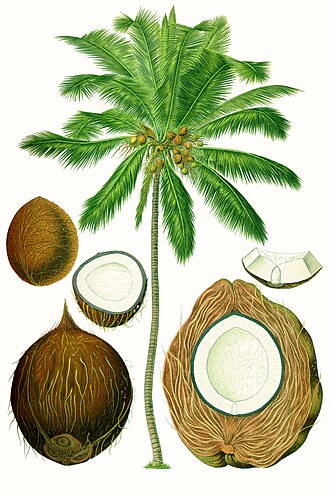
The coconut is a member of the palm family (Arecaceae) and the only living species of the genus Cocos. The term "coconut" can denote the whole coconut palm tree or the large hard fruit. Originally native to Central Indo-Pacific, they are ubiquitous in coastal tropical regions.