Forest communities in India rely on 119 plants for medicine
Pandey AK, Bux F, Sonkar K, Roy A, Yadav H.
Ethnobotany
The garlic and black pepper in your kitchen spice rack are the same plants that healers in Chitrakoot rank as their most trusted remedies, a reminder that everyday plants carry medicinal knowledge worth documenting before it disappears.
For over three years, researchers interviewed 205 people, including tribal elders and forest-dwelling saints, in the Chitrakoot region of India about which plants they use to treat illness. They found 119 different plants across 50 families being used for everything from snakebites to stomach problems, with black pepper and garlic coming out as the most widely trusted and useful. The study is essentially a snapshot of generations of plant knowledge that lives in people's memories rather than in books, and the researchers argue it needs to be written down before it's lost.
Key Findings
119 ethnomedicinal plants from 107 genera and 50 families were documented, treating ailments across 15 categories
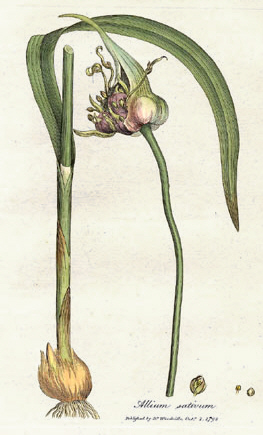
Piper nigrum (black pepper) scored highest on both relative frequency citation (1.00) and use value (1.20), followed by Allium sativum (garlic) at 0.84 RFC
Snakebite, scorpion, and insect bite treatments had the highest informant consensus (0.88), followed by digestive disorders (0.84), with leaves and plant powder the most common preparation method
chevron_right Technical Summary
Researchers documented 119 medicinal plants used by indigenous and saint communities in Chitrakoot, India, with black pepper and garlic ranking as the most trusted remedies, especially for snakebites and digestive troubles.
Abstract Preview
Original paper
To document traditional ethnobotanical knowledge of medicinal plants used by indigenous and saint communities of Chitrakoot, India.
<h4>Introduction</h4>Traditional medicinal systems are integral to the healthcare practices of indigenous and local communities, especially in remote regions where modern healthcare may be inaccess...
open_in_new Read full abstractAbstract copyright held by the original publisher.
Species Mentioned
Was this useful?
Want to tell us more? (optional)
Thanks for the note!
Something went wrong — please try again.
Too many submissions. Try again in an hour.
Rapid disruption of pollination function by the invasive plant Impatiens glan...
That pretty pink-flowered plant spreading along your local riverbank or woodland edge could be quietly starving native wildflowers of the bee visits they nee...

Black pepper is a flowering vine in the family Piperaceae, cultivated for its fruit, which is usually dried and used as a spice and seasoning. The fruit is a drupe (stonefruit) which is about 5 mm in diameter, dark red, and contains a stone which encloses a single pepper seed. Peppercorns and the...