anti-inflammatory
Anti-inflammatory refers to compounds or mechanisms that suppress inflammatory responses in biological systems. In plant science, this field is significant because plants produce diverse secondary metabolites with anti-inflammatory properties that reflect their own chemical defense and stress-response mechanisms. Understanding these compounds advances both plant biochemistry research and the discovery of bioactive molecules relevant to medicine and biotechnology.
Effect of plant sterols on intestinal health: a comprehensive revie...
Vegetables, nuts, seeds, and whole grains you already grow and eat are packed with plant sterols ...
Brazilian folk tea dissolves kidney stone crystals and eases urinar...
Kidney stones affect roughly 1 in 10 people, and a backyard shrub used by Brazilian herbalists fo...

O-acetylated glucomannan from Dendrobium officinale alleviates DSS-...
An orchid you might grow on your windowsill produces a natural compound that could one day help t...
Plant-derived indole alkaloids in chronic inflammatory diseases: mo...
Plants growing in traditional herb gardens around the world have quietly been making chemicals th...

Polysaccharide from Tetrastigma hemsleyanum Diels et Gilg attenuate...
It shows that a plant used for centuries in traditional Chinese medicine to treat coughs and pneu...
Plant-derived extracellular vesicles as tools and targets for infla...
Plants in your kitchen — ginger, grapes, even green tea — may one day be the source of medicines ...

Mechanisms and Therapeutic Targets of Botanicals Derived from Aster...
Echinacea, chamomile, calendula, and yarrow growing in your garden belong to one of the most medi...
Plant-derived extracellular vesicles for anti-obesity: Natural carr...
Fruits, vegetables, and herbs growing in your garden may contain microscopic particles that resea...
Medicinal plants offer scientifically validated alternatives to syn...
Many herbs and flowering plants growing in gardens or foraged from wild spaces have now been rigo...
Plant-derived nanovesicles: the intelligent nanoplatforms for thera...
Vegetables, fruits, and herbs you grow or eat may be producing microscopic particles that activel...

LC-MS-guided characterization and neuroprotective evaluation of Gal...
Bedstraw plants growing along Mediterranean roadsides and garden edges have been trusted for cent...

African fig leaf extract rivals a standard drug for arthritis relie...
Traditional healers across tropical Africa have long used fig tree leaves as medicine, and this s...
New Advances in the Mechanisms and Therapeutic Strategies of Gut Mi...
The herbs, berries, and vegetables in your garden may do more than feed you — their natural compo...
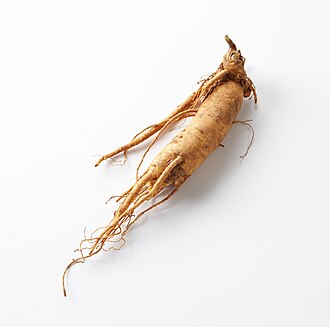
Anti-gout active ingredients from natural plant medicines and their...
Herbs like ginseng that you might grow or brew as tea contain compounds scientists are now seriou...
Plant-derived extracellular vesicles as a promising therapeutic and...
Plants you already eat — ginger, grapes, broccoli — quietly produce microscopic particles loaded ...

Unraveling the therapeutic mechanisms of Polygonum cuspidatum in pu...
Japanese knotweed, the plant many gardeners wage relentless war against along fence lines and riv...
Ethyl acetate fraction from Dendrobium officinale inhibits IL-17A s...
It suggests a common ornamental orchid used in herbal teas and supplements may contain compounds ...

Mechanism of Astragali radix combined with Salviae miltiorrhizae Ra...
Two common garden herbs — Astragalus, grown widely as an ornamental and medicinal plant, and Chin...

Ancient skullcap herb's healing compound finally explained at the m...
Chinese skullcap grows readily in herb gardens and has been brewed as tea for centuries, and scie...

Integrated serum pharmacochemistry, network pharmacology and transc...
It shows that a climbing vine used for centuries in folk medicine may hold real promise for treat...

Gardenia jasminoides fruit extract alleviates MC903-induced atopic ...
Gardenia — a plant many people grow for its fragrant white flowers — turns out to produce compoun...

Pearl Millet-A Forgotten Ancient Grain with Emerging Immunomodulato...
Pearl millet grows where most grains fail — in scorching, drought-prone soils — making it a resil...
Polygonatum sibiricum polysaccharide alleviates irritable bowel syn...
Siberian Solomon's seal, a graceful woodland plant many gardeners grow for its arching stems and ...

Blockade of GPX4-mediated ferroptosis underlies the protective effe...
That forsythia hedge in your neighborhood or garden isn't just pretty — its fruit contains compou...
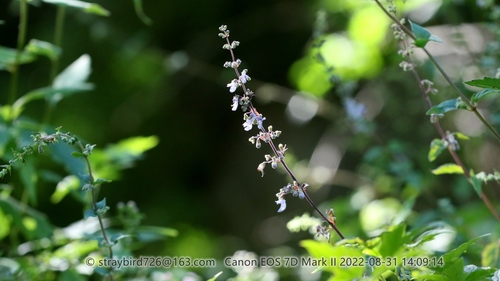
Effect and mechanism of Rabdosia rubescens on ulcerative colitis: N...
It's scientific validation that a garden-worthy ornamental herb used in traditional medicine for ...
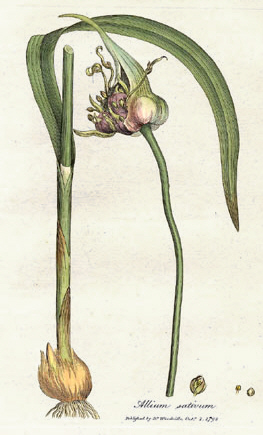
HPTLC and LC-MS Based Metabolomics and Network Pharmacology for Gar...
Garlic growing in your kitchen garden carries compounds that scientists just mapped to the same i...
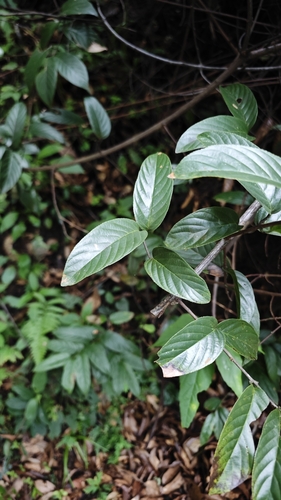
An investigation into the efficacy and mechanism of Berchemia kulin...
It's a reminder that the next overlooked shrub in a forest or botanical garden could hold real me...

Saikosaponin D alleviates chronic prostatitis/chronic pelvic pain s...
Chinese thoroughwax (Bupleurum) has been brewed into medicinal teas across East Asia for centurie...

Inhibition of joint inflammation in rheumatoid arthritis by Wuwei G...
Five plants you might find in a botanical garden or herbal shop — juniper, rhododendron, wormwood...

A novel naringenin-loaded plant protein nanocomplex accelerates cor...
Two everyday plant foods — peas and citrus — are being turned into medicine, showing that the com...
β-Sitosterol-loaded leciplexes attenuate rheumatoid arthritis in ra...
Beta-sitosterol is quietly present in the seeds, nuts, and vegetable oils in your kitchen — this ...
Multi-modal therapeutic approaches to inflammatory bowel disease: p...
Plants in your kitchen and garden—herbs, spices, medicinal botanicals—are actively being studied ...

Paeoniflorin suppresses cardiomyocyte pyroptosis and ameliorates di...
Humble peony plant growing in your garden may hold compounds that could one day help the millions...
Species in Topic
Pea
 Sunflower
Garlic
Sunflower
Garlic
 Common Yarrow
Ginseng
Chamomile
Astragalus
Common Yarrow
Ginseng
Chamomile
Astragalus
 Dandelion
 Danshen
Dendrobium orchid
Fig
Peony
Baikal skullcap
Gardenia
Pearl millet
Milkvetch
eco
Rabdosia rubescens
Danshen
Dendrobium orchid
Fig
Peony
Baikal skullcap
Gardenia
Pearl millet
Milkvetch
eco
Rabdosia rubescens
 Anemone
 Arnica
Bupleurum
Arnica
Bupleurum
 Echinacea
 Jamun
eco
Siberian Solomon's seal
eco
Alpine Rhododendron
Bedstraw
eco
Berchemia kulingensis
Jamun
eco
Siberian Solomon's seal
eco
Alpine Rhododendron
Bedstraw
eco
Berchemia kulingensis
 Calendula
Chinese silk vine
eco
Chinese thoroughwax
eco
Ficus ottoniifolia
Formosan Juniper
Forsythia
Calendula
Chinese silk vine
eco
Chinese thoroughwax
eco
Ficus ottoniifolia
Formosan Juniper
Forsythia
 German Tamarisk
eco
Himalayan Ephedra
Japanese Knotweed
eco
Lebanese Bedstraw
German Tamarisk
eco
Himalayan Ephedra
Japanese Knotweed
eco
Lebanese Bedstraw
 Noble dendrobium
eco
panacéia
eco
Periploca forrestii
Noble dendrobium
eco
panacéia
eco
Periploca forrestii
 Sievers Wormwood
Tetrastigma
Sievers Wormwood
Tetrastigma
 Three-leaf cayratia