bioactive-compounds
Bioactive compounds are non-nutrient substances produced by plants that exert specific physiological effects on living organisms, despite not being essential for survival. In plant science, these compounds are significant because they represent the chemical diversity underlying plant biology and are central to research on plant-derived medicines and functional foods. Understanding bioactive compounds enables scientists to elucidate the biochemical mechanisms that define plant species' unique properties and therapeutic potential.
open_in_new Wikipedia
Sea buckthorn for future foods: bioactive mechanisms, synthetic bio...
Sea buckthorn can be grown in your garden or on degraded land, and this research signals it could...

Extraction techniques, structural features, biological functions an...
Moringa is one of the easiest nutrient-dense trees a home gardener can grow, and understanding wh...
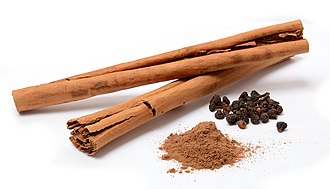
Himalayan medicinal plants for gastrointestinal disorders: ethnopha...
Many of the herbs documented here—like cinnamon and pomegranate—grow in temperate gardens worldwi...

Neohesperidin from Aurantii Fructus Immaturus Exerts Antidepressant...
Citrus peels you might normally toss in the compost bin contain a compound that scientists are ac...
Plant-derived exosome-like vesicles enhance exercise-induced muscle...
The plant foods on your plate may be delivering microscopic particles that actively help your mus...

A novel naringenin-loaded plant protein nanocomplex accelerates cor...
Two everyday plant foods — peas and citrus — are being turned into medicine, showing that the com...


