cancer-research
Cancer research investigates the biological mechanisms underlying uncontrolled cell growth in order to develop prevention, diagnostic, and therapeutic strategies. In plant science, this field intersects through the study of bioactive plant compounds—such as alkaloids, terpenoids, and polyphenols—that exhibit antitumor properties, driving research into their biosynthesis, extraction, and pharmacological potential. Understanding how plants produce these compounds at a molecular level can inform both drug discovery pipelines and efforts to optimize medicinal plant cultivation.
open_in_new Wikipedia
Traditional Medicinal Plants Used for Cancer Treatment in Sub-Sahar...
Plants like soursop (Annona muricata) and baobab (Adansonia digitata) — species you may grow as h...

Phytochemistry, Bioavailability, and Molecular Mechanisms Underlyin...
That unpretentious potted aloe on your windowsill — the one you snap open for burns — turns out t...
Plant exosomes as multifunctional platforms for metabolic targeting...
Plants you grow or eat — from ginger to grapes — produce microscopic particles that researchers a...
Medicinal Plants in Breast Cancer Therapy: Ethnopharmacology, Bioac...
Herbs and wild plants that traditional healers have cultivated and passed down for generations ar...

Sweet wormwood compound outperforms existing drugs in colorectal ca...
Artemisia annua, the feathery annual wormwood grown in herb gardens and already famous for yieldi...

Garden plants like cannabis and gooseberry may block cancer-driving viruses
Several of the plants reviewed here, including Indian gooseberry, cannabis, and the angel's trump...
Plant-derived extracellular vesicles as a promising therapeutic and...
Plants you already eat — ginger, grapes, broccoli — quietly produce microscopic particles loaded ...
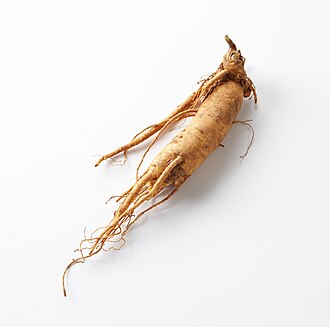
20(S)-Ginsenoside Rg3 suppresses lung cancer-associated fibroblast ...
It shows that a substance from an ordinary ginseng plant — the same root sold in health food stor...

Role of Oncoviruses in Cancer Progression and Emerging Phytochemica...
The jimsonweed sprawling across roadsides and the amla tree fruiting in South Asian gardens carry...
Microscopic bubbles from edible plants may help train the immune sy...
The ginger root, grapes and medicinal herbs you grow release nanoscale vesicles that researchers ...
Plant-derived natural compounds targeting drug resistance in ovaria...
Herbs like turmeric, green tea, and berberine-containing plants that you may grow or brew daily a...

Liquidambaris fructus inhibits osteosarcoma through PTGS2/TGFB1 and...
Those spiky sweetgum balls littering your lawn and sidewalks each fall may contain compounds with...
Species in Topic
Cannabis
Ginseng
Aloe vera
 Papaya
eco
King of Bitters
Sweet wormwood
Papaya
eco
King of Bitters
Sweet wormwood
 Calotropis
Indian Gooseberry
Soursop
Calotropis
Indian Gooseberry
Soursop
 Tamarind
eco
Annual wormwood
Tamarind
eco
Annual wormwood
 Bael (Stone Apple)
 Baobab
Bengal Quince
Cannabis (Hemp)
Baobab
Bengal Quince
Cannabis (Hemp)
 Ghaf Tree (Shami Tree)
 Jimsonweed
 (Thornapple)
Jimsonweed
Jimsonweed (Thornapple)
 King of Bitters (Green Chiretta)
Prosopis
King of Bitters (Green Chiretta)
Prosopis
 Sausage Tree
 Sodom Apple (Giant Milkweed)
Sweetgum
Sodom Apple (Giant Milkweed)
Sweetgum