gut-microbiome
The plant microbiome consists of the microbial communities—bacteria, fungi, and archaea—that live within plant tissues and in the rhizosphere soil environment, functionally analogous to animal gut microbiota. These microbial communities are crucial to plant science because they directly enhance nutrient acquisition, improve disease resistance, and help plants adapt to environmental stresses. Understanding plant-microbe interactions has become fundamental to advancing crop productivity, plant health, and sustainable agricultural practices.
open_in_new WikipediaShared Plant-human Biology: Herbicide Effects and New Biomarkers Pe...
Herbicides sprayed on your lawn, your food crops, and your local park may be quietly disrupting t...

Preventive effects and mechanisms of yam exosome-like nanoparticles...
Humble yam you might grow in your garden or buy at the farmers market contains microscopic protec...

Medicinal Plants and the Gastrointestinal Microbiota in Chronic Dis...
The turmeric you add to cooking, the green tea you brew, and herbal supplements like ginseng are ...

Reconstitution of gut microbiota by medicinal plant isoflavones ame...
Kudzu — the aggressive vine smothering trees along roadsides across the American South — harbors ...
Plant-Derived Foods and Medicines as Modulators of the Gut Microbio...
Herbs and vegetables you grow — garlic, ginger, chamomile, turmeric — don't just flavor your food...
The interplay of plant polysaccharide structure, gut microbiota met...
Vegetables, fruits, and whole grains you grow and eat contain fibers whose exact structure shapes...

Prebiotics characterization from traditional legumes and fruits sou...
Legumes and fruits you grow or buy at the farmers market — like mung beans and figs — may do far ...

Neuroprotective role of Curcuma amada evidenced from pesticide-indu...
Pesticides used in your garden or on nearby farms don't just kill pests — they accumulate in the ...
The Role of Polyphenols in Respiratory and Gut Health: From the Per...
The elderberries, rosehips, and culinary herbs you grow out back are quietly stocking your gut wi...

O-acetylated glucomannan from Dendrobium officinale alleviates DSS-...
An orchid you might grow on your windowsill produces a natural compound that could one day help t...

Revolutionizing sweetness: the multifaceted health benefits of ferm...
If you grow stevia in your garden or use it to sweeten your tea, the way it's processed before it...
A High-Fiber, Plant-Based Diet in Myeloma Precursor Disorders: Resu...
Fiber that protects against a blood cancer comes from the same fruits, vegetables, legumes, and w...
Plant-derived extracellular vesicles for anti-obesity: Natural carr...
Fruits, vegetables, and herbs growing in your garden may contain microscopic particles that resea...

Comprehensive evaluation of Ganoderma lucidum extracts: digestion k...
Reishi mushrooms you might grow at home or take as a supplement deliver most of their immune bene...
A fructan-type polysaccharide from Lycium ruthenicum attenuates liv...
The black goji berries you might grow along a sunny fence or find dried at a specialty market car...
Polyphenol-Loaded Plant Extracellular Vesicles: A New Approach to C...
Berries, herbs, and vegetables in your garden are packed with polyphenols, and this research sugg...
Protective Effects of Orally Administered Salvia miltiorrhiza-Deriv...
It means the plants in your garden or on your plate may carry microscopic healing particles that,...

Bioactive molecules from Agave salmiana bagasse: Study of their ant...
Agave waste from tequila and mezcal production could end up in your next probiotic yogurt or fibe...

Ancient roasted lotus leaf remedy fights obesity in mice
The lotus growing in your local pond isn't just a pretty water plant, its leaves contain compound...

Banana stem powder is safe to take and may feed gut bacteria
Banana pseudostems are typically hauled off as waste after harvest, so if that fibrous inner core...
Polysaccharide PSLP-1 from Polygonatum sibiricum Stems and Leaves A...
Those graceful arching stems of Solomon's Seal you cut back each fall — the parts most growers to...
Diet and microbiome shape small-molecule cytokinin pools in mammals.
The growth signals coursing through your bean plants after you water them — the same chemical fam...

Elucidating the therapeutic mechanism of Orthosiphon aristatus in h...
It validates a humble garden herb — Cat's Whiskers, which many people grow as an ornamental — as ...
Medicinal and Aromatic Plant Oils in Aquafeeds: Mechanistic Perspec...
The aromatic herbs you grow on your windowsill or in your garden are being seriously studied as n...

Precise structural characterization and therapeutic potential of a ...
Hardy orchid (Bletilla striata) — the pleated-leaf, magenta-flowered plant already thriving in sh...
Kudzu root-derived carbon dots modulate gut microbiota and metaboli...
Kudzu, the vine smothering roadsides and forest edges across the American South, turns out to car...

Astragalin alleviates ulcerative colitis via FPR1 inhibition and re...
A plant compound already present in everyday herbs and vegetables may one day help treat debilita...
Red Meat, Plant Protein, and Colitis: Emerging Roles for the Gut Mi...
Legumes and seeds you grow in your garden — lentils, beans, sunflower — are the exact foods this ...
Effects of Dendrobium officinale on chronic fatigue in rats: Modula...
Dendrobium orchids, long prized in Chinese medicine and increasingly grown as ornamentals, turn o...

A celery and chamomile compound fixed fatty liver via gut bacteria
The chamomile in your tea cabinet and the parsley in your garden bed contain apigenin, a compound...

Comprehensive review on Cistanche polysaccharides: Structure, gut m...
Cistanche grows by stealing nutrients from the roots of desert shrubs like saxaul, and the same c...

Crt-miR166a, a Citrus-Derived MicroRNA, Modulates the Gut Microbiot...
Citrus peels and juice you compost or discard carry microscopic molecular signals that, even afte...
Polygonatum sibiricum polysaccharide alleviates irritable bowel syn...
Siberian Solomon's seal, a graceful woodland plant many gardeners grow for its arching stems and ...

Swertia chirayita ameliorates MAFLD by improving intestinal microen...
Chirayita grows wild across Himalayan foothills and has been brewed as a bitter tonic tea for cen...

The anti-obesity potential of Cassiae Semen: A review based on ethn...
A humble seed steeped as tea across Asian households for centuries turns out to work on gut bacte...

Oligosaccharide prebiotics in functional foods and therapeutics: in...
Growing chicory, Jerusalem artichokes, or garlic in your garden puts some of the most potent preb...
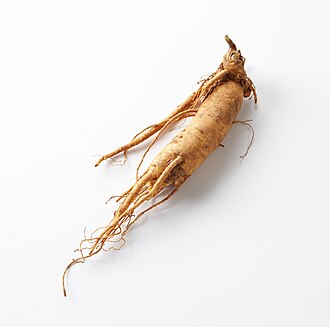
Ginseng Polysaccharides: A Comprehensive Review of Extraction, Stru...
Ginseng growing in your woodland garden or shade bed holds polysaccharides in its roots that feed...
New Advances in the Mechanisms and Therapeutic Strategies of Gut Mi...
The herbs, berries, and vegetables in your garden may do more than feed you — their natural compo...

Pomegranate peel extract shields diabetic eyes by calming gut bacte...
The leathery peel you've been composting from pomegranates grown in warm-climate gardens or bough...
Healthful plant-based diet, gut enterotype, and cognition in a rura...
The fermented vegetables, legumes, and whole grains you grow and eat don't just feed you — they f...
Modulating Host Lipid Metabolism via Gut Microbiota: Therapeutic Po...
Herbs and botanicals you grow or forage — from turmeric to green tea to legumes — may be quietly ...
Plant-based diet quality and gut microbiota in relation to cardiome...
Every fermented vegetable, bean dish, or whole grain you grow and eat is quietly shaping the micr...
Metagenomic insights into the global wild boar faecal microbiome re...
Plant fibers in crops like wheat bran, oat hulls, and vegetable scraps could become far more valu...
Plant-derived bioactive compounds modulate the gut microbiota in Al...
Herbs, teas, fermented foods, and fiber-rich vegetables you grow or buy at the farmers market may...

Hedyotis diffusa Willd. extract alleviates CCl4-induced liver fibro...
Snake-needle grass, a sprawling groundcover long stocked in Chinese apothecaries and now naturali...

Certain grain proteins tell your liver to make less sugar
The oats and barley you might grow or cook with contain proteins that feed specific gut bacteria,...

Large-leaf yellow tea oligosaccharides alleviate T2DM by promoting ...
Yellow tea plants, cultivated for centuries in China's mountain gardens and increasingly grown by...
Plants make nano-sized packets that could treat diabetes and fatty liver
Tiny molecular packets that plants use for internal signaling can survive digestion and enter the...
Exploring the impact of dietary extracellular vesicles on gut healt...
Eating fruits, vegetables, and fermented foods delivers microscopic particles that quietly coach ...
Dietary patterns and endothelium dysfunction: a literature review.
Growing and eating the leafy greens, legumes, and colorful vegetables in your garden may be one o...
Molecular Mechanisms of Polysaccharides in Regulating Immune Functi...
The fibrous structural carbohydrates in roots, stems, and seed coats of plants you grow or forage...

Traditional herb compound blocks kidney's uric acid recycling protein
If you or a gardening friend deal with gout flare-ups, this plant used in Chinese herbal medicine...
Plant compounds show promise against pollution-linked gut damage
The polyphenols and flavonoids concentrated in common garden herbs, berries, and teas are the sam...

Kudzu root fights blood fat buildup via gut bacteria shifts
The kudzu vine sprawling over fences and roadsides across the American South has a root long used...

Lentil starch structure decides which gut bacteria get fed
The lentils in your soup pot carry hidden starch structures that act like different keys for diff...
Traditional Chinese tea eases artery plaque buildup in mice
The compound driving this effect, 6'-O-caffeoylarbutin, comes from a foraged herbal tea plant, a ...

Licorice nasal rinse beat steroids for hay fever symptoms in trial
The licorice root in your herb garden isn't just a soothing tea ingredient; a small clinical tria...

Ginseng fights liver cancer in rats through gut bacteria shifts
The ginseng root sold in health-food stores and grown in shaded woodland gardens may work its med...
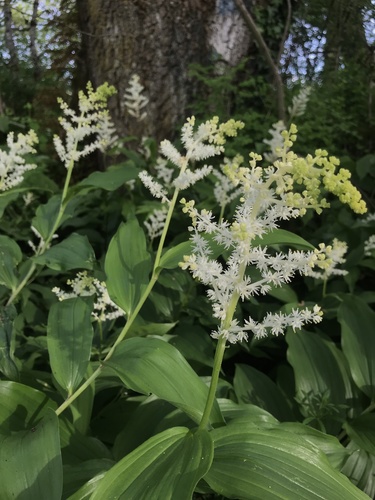
Solomon's seal root sugars feed gut bacteria in structure-specific ways
The knobby Solomon's seal rhizome sold in herbal medicine shops turns out to work by feeding spec...
Tough plant proteins feed gut bacteria in surprisingly healthy ways
The beans, greens, and whole grains you grow or buy contain proteins your own gut enzymes can't b...

Rare deer's gut microbes crack tough reed grass better than relatives
The reeds lining wetland trails and drainage ditches are notoriously hard for animals (and indust...

Konjac root fiber, broken down smartly, feeds gut bacteria better
Konjac, the starchy corm behind the konjac yam and products like shirataki noodles, turns out to ...
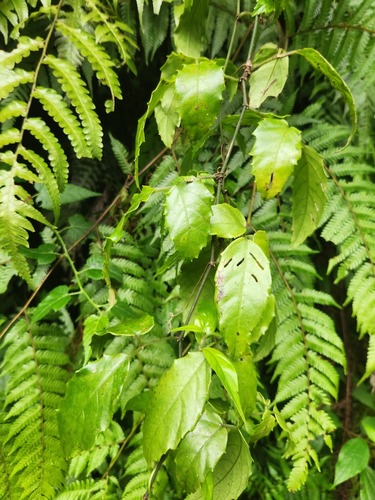
This vine root eases alcohol liver damage via gut bacteria
If you've ever grown climbing vines for their tenacious roots, it's worth knowing that this one, ...

Medicinal mushroom extract eases PCOS symptoms in rat study
The same fungus you might spot as a shaggy, hoof-shaped growth on old ash or apple trees is being...
Current advances in restoring intestinal barrier homeostasis by nat...
Herbs you might already grow — astragalus, ginger, licorice root — are now being rigorously valid...
A review on the system-level bioactivity of polysaccharides along t...
Every apple, carrot, and bean in your garden packs its cell walls with pectin and other complex c...
Metabolism and bioavailability aspects of natural products of plant...
Many herbal remedies your grandmother swore by are only now getting the scientific tools needed t...
From Mechanisms to Therapy: Targeting the Gut-Brain Axis in Chronic...
Herbs and plant extracts you might grow or forage—from ginger to chamomile—are now being studied ...

Interactions between nutrition, GLP-1 secretion, and composition of...
The oats or barley you grow for breakfast feed gut bacteria that, in turn, release chemical signa...
Plant-based whole-food diets are feasible during auto-HCT and are a...
Every high-fiber meal you eat from your garden — the beans, the kale, the winter squash — activel...
The prebiotic inulin affects virulence factor expression in Candida...
Dandelion roots you pull as lawn weeds are loaded with inulin — the same plant fiber now shown to...
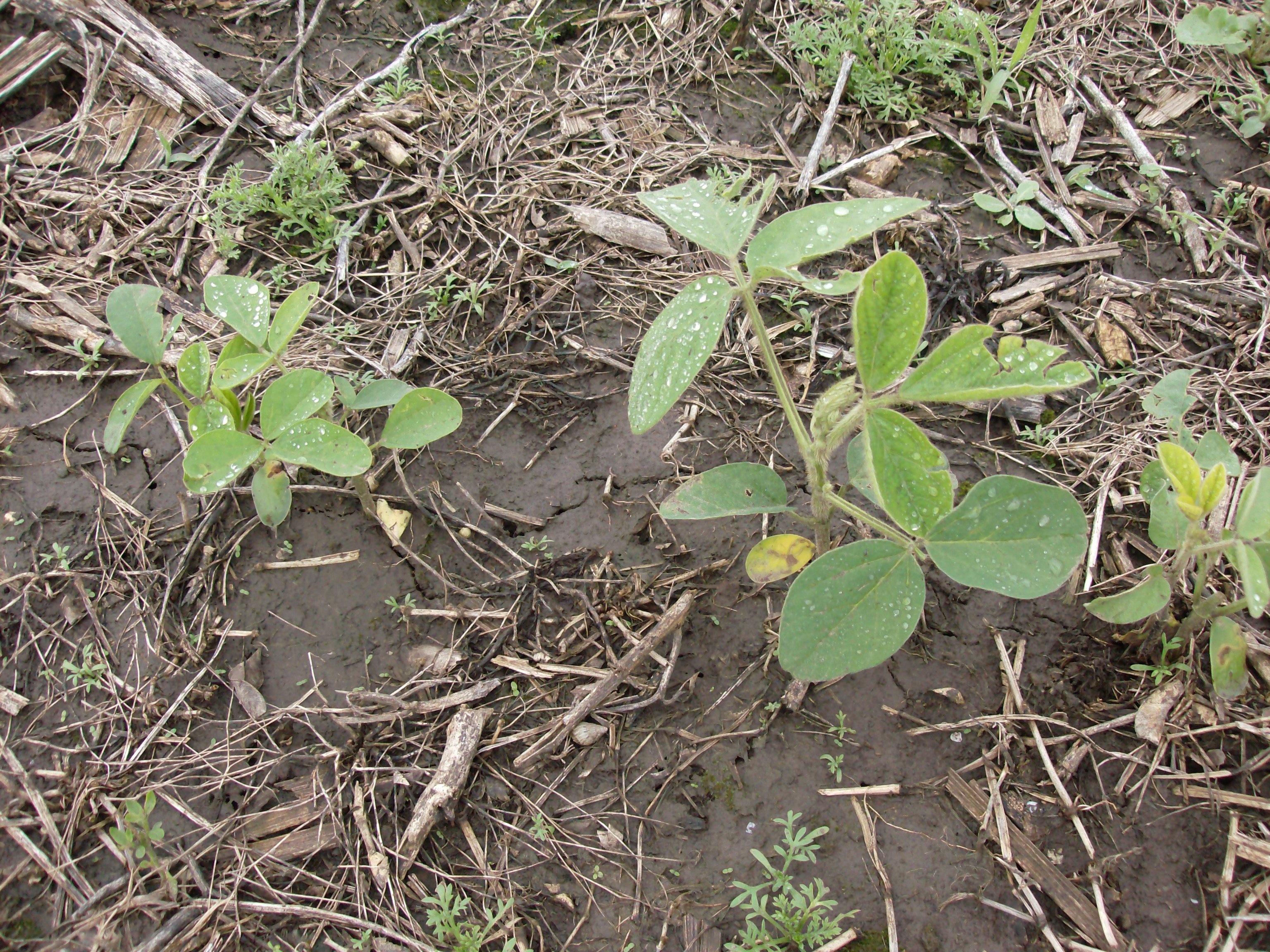
Neuroprotective Effects of Time-Restricted Feeding Combined With Di...
Soybeans and legumes you grow or buy at the farmers market may do more than feed you — the protei...
Pueraria lobata-derived exosome-like nanovesicles alleviate rheumat...
Kudzu — the vine choking forests across the American South — sheds microscopic particles that rew...
Edible tea tree mushroom extract shields rat bones by reshaping gut...
The tea tree mushroom sold in Asian markets and grown on logs or straw in home mushroom patches m...

Leaves of a Chinese medicinal hibiscus helped rebuild immunity in w...
The leaves of Abelmoschus manihot, a showy yellow-flowered hibiscus relative you can grow in a wa...

Licorice root compounds curb colon tumors in mice by feeding helpfu...
The licorice root behind the candy and herbal teas in your cupboard holds compounds that, in mice...
Milkvetch root feeds gut bacteria that protect sows around farrowing
Astragalus, the spiny-leafed perennial grown for ornamental seed pods and traditional medicine, c...
AI reveals hidden fiber-digesting machines in gut bacteria
The fiber in your garden greens, whole grains, and that resistant starch in cooled potatoes only ...
Herbal extract rich in plant flavonoids curbs weight gain in mice t...
The flavonoids that give many medicinal herbs and colorful garden plants their pigments and bitte...
Licorice root sugars get digested by gut bacteria into immune boosters
The licorice plant many gardeners grow for its sweet roots and pollinator-friendly purple flowers...
Changes in gut microbiota composition following water kefir consump...
Fermenting plain sugar water into water kefir at home — the same low-tech craft as brewing tepach...
Dietary (poly)phenols, the gut-brain axis, and menopause: a perspec...
The blueberries, pomegranates, and green tea you grow or buy aren't just antioxidant-rich foods—y...
Physical Activity Is Associated with Gut Microbiome Features and Or...
Vegetables and fruits you grow and eat interact with your gut bacteria differently depending on h...

Lipid ligand binding and membrane interactions of a novel food-deri...
If you grow lupins or peaches and eat them fresh from the garden, the fats naturally present on t...

Distinct microbial mediators link diet to inflammation in Crohn's d...
Every handful of beans, leafy greens, or berries from your garden feeds gut bacteria that activel...
Plant-heavy Mediterranean eating may ease inflammatory bowel diseas...
The vegetables, legumes, and olive oil you're already growing or buying could double as a low-cos...

Medicinal Cordyceps fungus eased diabetes and high cholesterol sign...
Cordyceps militaris is the orange, club-shaped fungus sold as a wellness supplement and grown on ...
Plant-heavy diet lowers gut toxin in people with severe kidney disease
The beans, grains, and vegetables you grow in a backyard bed can feed the gut bacteria that make ...
Effects of diet-modulated gut microbiota and microbial metabolites ...
Fiber-rich, plant-heavy foods you grow and eat in your garden — from leafy greens to legumes — di...
Wax moth caterpillars chew plastic, but true breakdown remains unproven
The plastic mulch films, pots, and bags piling up around gardens and green spaces might someday b...
Common fermentation bacterium is surprisingly hard to predict
The bacteria fermenting your homemade sauerkraut or kimchi are the same ones scientists are strug...
Plant-rich diets feed the gut bacteria that calm digestive disease
The vegetables, legumes, and whole grains you grow or choose at the market aren't just food, they...
Harnessing edible extracellular vesicles for inflammatory bowel dis...
Tiny vesicles shed by the edible plants in your garden — not extracted chemicals, but the plants'...
Plant fiber inulin shields fish brains from a common plastic additive
Inulin, the prebiotic fiber stored in chicory roots, Jerusalem artichokes, and garlic you can gro...
Natural products targeting the gut-brain axis for the treatment of ...
Herbal compounds used in traditional medicine for centuries are now backed by clinical evidence f...
Gut microbiota dysbiosis and osteoporosis: pathogenesis and novel i...
Fermented plant foods — kimchi, miso, sauerkraut — are among the richest sources of the probiotic...
Association between dietary intakes and gut microbiota composition ...
Every tomato, bean, and leafy green you grow and eat is quietly feeding a community of gut bacter...
Metagenomic analysis of fecal microbiomes reveals genetic potential...
Reducing methane from livestock is one of the most actionable ways to cut agricultural greenhouse...
Retraction: Plant and Fungal Diversity in Gut Microbiota as Reveale...
If you've read claims about which plant-derived fungi or botanical compounds live in your gut mic...
Research advancement on the correlation between gut microbiota and ...
Growing high-fiber vegetables and legumes in your garden puts you directly on the front line of o...
Your gut bacteria quietly shape how well your medicine works
The fermented foods and fiber-rich crops you grow and eat directly feed the microbial communities...
Gut microbiota and immune modulation: role in neurodegenerative dis...
The fermented foods and fiber-rich vegetables you grow or forage feed the same gut microbial comm...
Variation in Microbiome Composition and Faecal Metabolites Are Asso...
Same gut bacteria that influence disease in mice are shaped by diet — including the fruits, veget...
Virome of post-weaned diarrhoeic pigs and healthy cohorts in England.
Understanding what makes pigs sick after weaning directly affects the pork and animal feed indust...
Yeast compound helps mice bounce back from immune damage
The gut bacteria this compound nurtures, like Parabacteroides and Clostridia species, are the sam...
New bacterial genus discovered living in pig intestines
This particular discovery centers on gut microbiology in livestock rather than plants, so it has ...
Species in Topic
 Rice
Soybean
Rice
Soybean
 Barley
Citrus
Barley
Citrus
 Tea
Turmeric
Tea
Turmeric
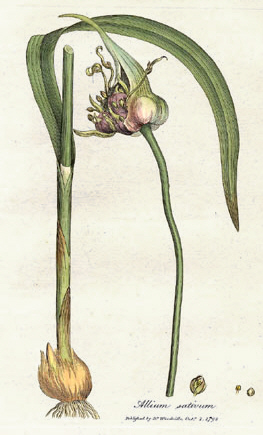 Garlic
Banana
Garlic
Banana
 Common Reed
Ginseng
Common Reed
Ginseng
 Moringa
Licorice
Moringa
Licorice
 Peach
Peach
 Blueberry
 Vegetables
Coffee
Lentil
Oat
Vegetables
Coffee
Lentil
Oat
 Quinoa
 Chamomile
Lotus
Mung Bean
Chamomile
Lotus
Mung Bean
 Nuts
Chicory
Nuts
Chicory
 Fruits
Dendrobium orchid
Fruits
Dendrobium orchid
 Fig
Kudzu
Pomegranate
Fig
Kudzu
Pomegranate
 Parsley
Yam
Agave
Celery
Mango Ginger
Milkvetch
eco
Solomon's Seal
Parsley
Yam
Agave
Celery
Mango Ginger
Milkvetch
eco
Solomon's Seal
 Walnut
Abelmoschus manihot
Hardy Orchid
Highland Barley
Walnut
Abelmoschus manihot
Hardy Orchid
Highland Barley
 Horse Gram
 Jerusalem Artichoke
 Plantain
Reishi mushroom
Senna
eco
Siberian Solomon's seal
Stevia
Swertia
eco
Black Goji Berry
eco
Black Wolfberry
Plantain
Reishi mushroom
Senna
eco
Siberian Solomon's seal
Stevia
Swertia
eco
Black Goji Berry
eco
Black Wolfberry
 Cassia
Cat's whiskers
eco
Chaxingu mushroom (Agrocybe chaxingu)
Cassia
Cat's whiskers
eco
Chaxingu mushroom (Agrocybe chaxingu)
 Chinese Ground Orchid
Chinese licorice (Glycyrrhiza uralensis)
Chirayita
Cistanche
Cordyceps militaris
Chinese Ground Orchid
Chinese licorice (Glycyrrhiza uralensis)
Chirayita
Cistanche
Cordyceps militaris
 Java tea
Konjac
Kudzu (Pueraria thomsonii)
Lupine
eco
Maguey
Polygonum capitatum (pink-headed knotweed)
eco
Que Zui tea
Java tea
Konjac
Kudzu (Pueraria thomsonii)
Lupine
eco
Maguey
Polygonum capitatum (pink-headed knotweed)
eco
Que Zui tea
 Saxaul
 Senna tora
Shaggy Bracket Fungus (Inonotus hispidus)
Snake-needle grass
eco
Spreading Hedyotis
eco
Tetrastigma hemsleyanum
Senna tora
Shaggy Bracket Fungus (Inonotus hispidus)
Snake-needle grass
eco
Spreading Hedyotis
eco
Tetrastigma hemsleyanum
 Whole Wheat
Yellow tea
Whole Wheat
Yellow tea