Legumes
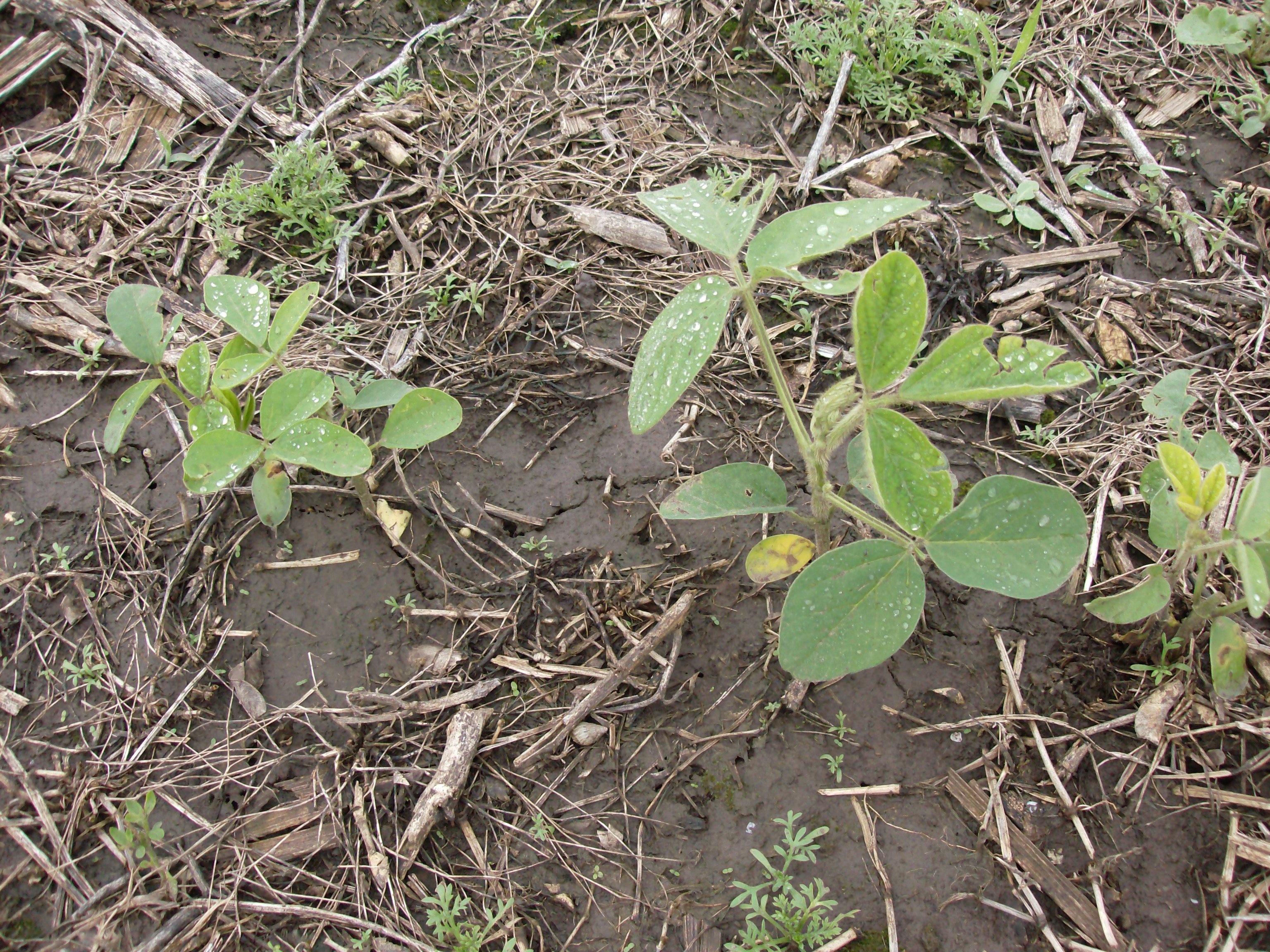
Legumes are plants in the pea family Fabaceae, or the fruit or seeds of such plants. When used as a dry grain for human consumption, the seeds are also called pulses. Legumes are grown agriculturally, primarily for human consumption, but also as livestock forage and silage, and as soil-enhancing green manure. Legumes produce a botanically unique type of fruit – a simple dry fruit that develops from a simple carpel and usually dehisces on two sides.
From Wikipedia, licensed under CC BY-SA 4.0

Research Mentions
Deciphering Plant-Microbe Symbioses: A Molecular Blueprint for Prec...
Understanding how plants recruit helpful soil microbes could lead to farming practices that use f...
Integrating metagenomics into legume breeding: A breeder-centered r...
The beans, lentils, and peas you grow or eat could become far more resilient to drought and poor ...
WUSCHEL Transcription Factor: From Stem Cell Maintenance to Crop Im...
Same gene that tells a plant how to keep growing and regenerating itself could soon help scientis...
CLE peptides in plant-biotic interactions.
Same molecular signals that help legumes team up with soil bacteria to naturally fertilize themse...
Tomato leaf curl Palampur virus: an emerging begomovirus threatenin...
Tomatoes and cucumbers from South Asian farms are increasingly being wiped out by a whitefly-carr...
Unearthing Root Response Mechanisms to Soil Compaction in Legumes.
Compacted soil — caused by heavy farm equipment, foot traffic, or even heavy rain — is quietly re...
Stressed crops produce more health-protective chemicals than pampered ones
The broccoli you grow under heat stress or drought may pack more cancer-fighting glucosinolates t...
Beyond osmoprotection: the expanding roles of proline in plant sign...
Every tomato, bean, or squash you nurse through a heat wave is quietly running on proline—and und...
Soil bacteria inoculants give small-scale farmers a cheap yield boost
If you grow legumes like beans or peas, the right soil bacteria can fix atmospheric nitrogen dire...
Nigeria farms using nature-based methods yield more and resist pests better
Smallholder farmers in Nigeria are doing something gardeners have long intuited: planting legumes...
Survey of scientific production on bio-inputs in Northern and North...
The beans and grasses that feed millions of people in tropical regions can grow without synthetic...
Mixing perennials into crop rotations rebuilds soil structure fast
If you rotate cover crops or forage grasses through a vegetable bed or farm plot, this decade-lon...
Legume root bacteria mix and match genes to fit their plant partner
The peas, beans, and clover thriving in your garden without added fertilizer owe that trick to un...
One protein controls how plant roots host helpful fungi
The fungal partnerships thriving in your garden soil right now, helping tomatoes and perennials p...
How bean plants and soil bacteria survive climate stress together
The bean plants and peas in your vegetable bed rely on a hidden bargain with soil bacteria that t...
Coordination of PTI and ETI in legume-rhizobium mutualism.
Every bean, pea, or clover you grow depends on underground bacteria that fertilize the soil for f...
Beans, greens, and nuts may help strengthen aging bones
The leafy greens and legumes you might be growing in a raised bed this summer contain magnesium, ...
Beans and lentils can rival meat for kidney health
The beans, lentils, and mushrooms already growing in your garden or sitting in your pantry carry ...
Root chemicals let plants talk to soil microbes underground
The peas or clover in your garden are running a chemical negotiation underground, releasing compo...
Storage temperature and packing material determine biofertilizer ba...
If you've ever bought an inoculant packet for your beans or peas and wondered why it didn't seem ...
Plant-heavy Mediterranean eating protects against disease, review confirms
The olive tree, legumes, and whole grains that make up a food forest's backbone aren't just garde...
New Spanish food guide puts plants at the center of every plate
If you grow your own vegetables, herbs, or a few fruit trees, this guide gives your harvest a sta...
Indian bean and lentil crops battle triple virus infections
If you've ever grown mung beans or lentils in a home garden, this study is a reminder that legume...
Plant-based diets can meet and exceed protein needs at every life stage
The beans, lentils, and sunflower seeds you're growing or buying aren't just a side dish, they're...
Mediterranean-style eating keeps proving its worth for far more tha...
The olive trees, herbs, beans and leafy greens that anchor a Mediterranean plate are all things y...
How legume roots build tiny homes for nitrogen-making bacteria
The pea and bean plants in your vegetable bed grow those pinkish root nodules by running an inter...
Your snack-aisle sunflower seeds fail safety tests more than you'd think
The bag of roasted sunflower seeds or peanuts in your pantry is most likely to go rancid or pick ...
Eating more plants doesn't lower endometriosis risk, study finds
If you've been loading your plate with garden vegetables partly to ward off reproductive disease,...