Medicinal Plants and the Gastrointestinal Microbiota in Chronic Diseases Modulation: A Structured Mechanistic and Translational Review.
Alum EU, Uti DE, Paul-Chima Ugwu O, Okon MB, Aggad WS
Gut Microbiome
The turmeric you add to cooking, the green tea you brew, and herbal supplements like ginseng are doing something measurable inside your gut: feeding and reshaping the bacteria that control your inflammation, metabolism, and immune response.
When you eat medicinal plants, their active compounds don't just get absorbed into your blood — they travel all the way to your gut, where trillions of bacteria transform them into new chemicals that influence your health. This two-way relationship means plants can shift which bacteria thrive in your gut, and those bacteria in turn produce compounds that calm inflammation and regulate how your body handles sugar and fat. Scientists reviewed a decade of research on this process and found real promise — but also big gaps in standardization that need to be solved before plant-based treatments can be reliably recommended.
Key Findings
Plant phytochemicals (polyphenols, flavonoids, alkaloids, saponins) reach the colon intact and interact bidirectionally with gut microbes, serving simultaneously as microbiome modulators and substrates for bacterial biotransformation into bioactive metabolites.
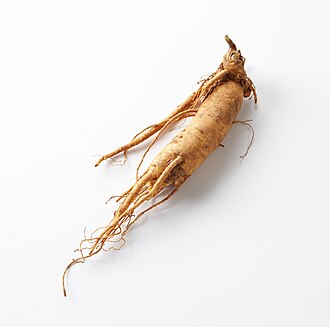
Medicinal plant compounds — including curcumin from turmeric, ginsenosides from ginseng, and catechins from green tea — promote enrichment of beneficial gut taxa and increase production of short-chain fatty acids (SCFAs), key regulators of immune and metabolic signaling.
Major translational barriers persist: botanical heterogeneity, dose and formulation variability, and inconsistent microbiome endpoint standardization across studies limit clinical translation and prevent definitive therapeutic recommendations.
chevron_right Technical Summary
A structured review of 10 years of research finds that medicinal plants — through their polyphenols, flavonoids, and other compounds — actively reshape gut bacterial communities in ways that may reduce inflammation and improve metabolic health in chronic diseases like diabetes, heart disease, and inflammatory bowel disease.
Abstract Preview
The gut microbiome supports digestion, immunity, and metabolism; its imbalance (dysbiosis) drives inflammation and metabolic dysfunction, contributing to chronic diseases such as diabetes, cardiova...
open_in_new Read full abstractAbstract copyright held by the original publisher.

Was this useful?
Want to tell us more? (optional)
Thanks for the note!
Something went wrong — please try again.
Too many submissions. Try again in an hour.
Shared Plant-human Biology: Herbicide Effects and New Biomarkers Perspectives.
Herbicides sprayed on your lawn, your food crops, and your local park may be quietly disrupting the same biological machinery in your body — and in the gut b...

Turmeric, or Curcuma longa, is a flowering plant in the ginger family Zingiberaceae. It is a perennial, rhizomatous, herbaceous plant native to the Indian subcontinent and Southeast Asia that requires temperatures between 20 and 30 °C and high annual rainfall to thrive. Plants are gathered each y...