food-safety
Food safety encompasses the scientific practices and protocols for safely growing, harvesting, handling, and storing plant-based foods to prevent foodborne illness. For plant science, this discipline is critical because understanding plant biology, crop pathology, and agricultural practices directly influences the microbial and chemical safety of food crops. Plant scientists contribute to food safety by developing disease-resistant varieties, optimizing cultivation methods, and studying contamination pathways from soil through harvest.
open_in_new Wikipedia
OsELP Mediated Apoplastic Sequestration in Roots Acts as an Arsenic...
Rice you eat regularly — including white rice, rice flour, and baby rice cereals — absorbs arseni...

Field Trials and Baking Studies of Ultra-Low Asparagine, Genome Edi...
Every time you toast bread or bake cookies, a potentially cancer-linked chemical called acrylamid...

Pesticide and metabolite residue mixtures in subtropical agroecosys...
Vegetables, fruits, and grains grown in these soils — including sugarcane and orchard crops — are...
Nanoplastics in soil and aquatic ecosystems: Sources, impacts, and ...
The fruits and vegetables in your garden may already be absorbing microscopic plastic particles t...

Spermidine improves plant growth and reduces dinotefuran accumulati...
It points toward a practical, natural way to grow safer strawberries with lower pesticide residue...

Plant-produced encapsulin displays non-typhoidal Salmonella enteric...
Chicken, eggs, and turkey on your plate are the leading sources of Salmonella outbreaks, and plan...

Antibiotic Metabolites Are an Overlooked Driver of Resistance Disse...
Lettuce you grow with recycled water or irrigate near agricultural land may silently carry antibi...

Valorization of agro-industrial and forestry biomass ashes as soil ...
Wood ash from your fireplace or backyard fire pit is the same material studied here — and the fee...
Microplastics and impurities in digestates and compost: A comparati...
Compost you spread on vegetable beds or buy from a garden center may be quietly delivering a dose...

Dairy manure, glyphosate, and antimicrobials (copper, streptomycin,...
Tomatoes on your plate may have been grown in soil where routine farm sprays are quietly breeding...

The right compost chemistry can keep antibiotic resistance out of y...
Every time you amend your vegetable beds with compost, you're shaping which microbes colonize you...
Unraveling the Multilevel Phytotoxicity of Micro(nano)plastics and ...
Compost and manure-based fertilizers you spread in your vegetable beds likely carry both plastic ...
Phosphorus-arsenic interaction mitigates toxicity and accumulation ...
Rice you buy at the grocery store may have been grown in arsenic-contaminated soil, and this rese...
Nanoparticle-rhizosphere crosstalk: Insights into transformation, m...
Nanoparticles are already being tested in fertilizers and pesticides, so understanding how they m...
Microplastic Generation and Persistence of Biodegradable Plastics u...
Biodegradable plastic bags, food containers, and mulch films marketed as eco-friendly may actuall...
Rice straw biochar differently influences the availability and upta...
Wheat grown in heavy-metal-contaminated soil can carry cadmium and lead into the bread on your ta...
Tracking antibiotic resistance genes and microbiome shifts under re...
Vegetables grown with recycled wastewater — increasingly common as droughts spread — may be safer...
Green Oil-in-Water Nanoemulsions for Delivery of Phytochemicals Wit...
The spray applied to your grocery store strawberries or backyard tomatoes could soon be made from...
Toxic soil metals cripple crops, but plants carry built-in defenses
Lead and cadmium from old paint, fuel, and industrial runoff quietly accumulate in garden soil an...
Turning off one rice gene cuts toxic cadmium in grains
Cadmium quietly accumulates in rice grown on contaminated paddy soil worldwide, and this gene twe...
Limitations of traditional mycotoxin control and biotechnological a...
Mold toxins quietly contaminate corn, peanuts, and grains in ways that ordinary cooking and stora...

Prior film mulching alters cadmium dynamics at the soil-plant inter...
If your vegetables were grown in a field that previously used plastic mulch, the residual plastic...

Six culinary plant compounds offer a resistance-proof defense again...
The thyme, cinnamon, and turmeric you grow or cook with produce the same compounds researchers no...
Multi-omics association analysis of the toxicity mechanism differen...
Manure-amended vegetable beds may carry invisible antibiotic residues that quietly suppress your ...

Shaping antibiotic resistance gene fate in soil-plant systems: Dual...
The bag of biochar you work into your vegetable bed may be quietly ferrying antibiotic-resistant ...
Impacts of arsenic contamination on plants and the role of microalg...
Arsenic quietly enters the vegetables and grains grown in contaminated soil, meaning the food on ...

Amending soil with leonardite decreases ciprofloxacin uptake and im...
If your vegetable garden sits near farmland where animal waste is used as fertilizer, antibiotic ...

Silicon alleviates cadmium stress by improving growth, physiologica...
Broccoli and other brassicas readily absorb cadmium from contaminated soils, so a simple, low-cos...
Differential regulation of cadmium accumulation by root microbiomes...
If you grow vegetables in urban soil built on industrial fill, the bacteria your plant roots recr...
Soil health index-based assessment of cadmium ecological risk-ferti...
Vegetables and grains grown in contaminated soils can absorb cadmium, which accumulates in your b...
Divergent mechanisms of zinc and manganese in controlling cadmium t...
Rice grown in contaminated southern Chinese soils is a leading global source of dietary cadmium e...
Reducing cadmium bioavailability in soil with micronutrient sulfate...
If you grow vegetables in soil that's ever been near industrial sites, old orchards, or heavily f...
Foliar Spraying of Silica Nanoparticles Outperforms Its Soil Amendm...
Rice grown in arsenic-contaminated paddies quietly concentrates that arsenic into the grain you e...
Sustained grain cadmium reduction in rice-wheat rotation: A cost-ef...
Limestone — the same material gardeners use to sweeten acidic soil — turns out to be a powerful, ...
Impact of node restriction on Cd and Zn transportation in wheat pla...
Wheat fields near old industrial zones or heavily fertilized farms can quietly accumulate cadmium...
Oxylipins in food and biological systems: from biosynthesis, distri...
Vegetables, oils, and fermented foods in your kitchen contain oxylipins that silently signal fres...
Soil bacteria offer a natural fix for a persistent farm pesticide
Chlorpyrifos residues show up in garden soil, tap water, and produce even years after application...

One gene switch controls potato's natural toxin production
The next time you leave a bag of potatoes near a sunny window and see them turn green, you're wat...

Bacterial tag-team scrubs cadmium from soil and keeps it out of crops
Cadmium from industrial pollution and phosphate fertilizers quietly accumulates in garden and far...
Antimicrobial resistance genes and mobile genetic elements in compo...
If you've ever wondered whether shoveling manure compost into your raised beds puts anything unwa...
Meta-analysis of biochar effects on antibiotics and antibiotic resi...
If you grow vegetables in soil that's been amended with manure or compost, biochar mixed into you...
Disabling one rice protein keeps arsenic out of the grain
Rice grown in arsenic-tainted paddies — a widespread problem across South and Southeast Asia — ab...
Ecotoxicological insights into fluoride pollution affecting soil, p...
If your vegetable garden is irrigated with well water from a fluoride-prone aquifer, the leafy gr...
Innovative approaches to mitigating persistent toxic substances and...
The vegetables and grains you eat may carry invisible chemical baggage — heavy metals, industrial...

Calcium application enhances yield and phytoremediation efficiency ...
If you're growing edible plants near old industrial sites, roadsides, or anywhere soil quality is...
Vertical distribution of antimicrobial resistance genes in soil adj...
Vegetables and herbs grown in soil near farms — or fertilized with animal manure — may be absorbi...

Urban farm microbes are so local they reveal which farm grew your greens
The community garden plot down the street has its own invisible signature of helpful bacteria and...

Synergistic Consortia with Bacillus megaterium A14 Enhance Cadmium ...
Peanuts grown in cadmium-contaminated soil quietly accumulate that metal into the nuts you eat, a...
Non-Thermal Plasma Technologies for Plant Virus Inactivation: Sourc...
The tomatoes, cucumbers, and lettuce grown in greenhouses and hydroponic farms near you could soo...
Mercury Sulfide Nanoparticles Constitute a Long-Term Bioavailable P...
Rice paddies near old mining or industrial sites may be accumulating a hidden form of mercury tha...

Rock-phosphate-enriched hydrochars derived from organic wastes: a s...
Compost made from kitchen scraps can do more than feed your garden — engineered versions of it ma...
How soil heavy metals poison crops and what plants do to fight back
Vegetables grown in soil near old industrial sites, roadsides, or heavily fertilized fields can a...
Decoding heavy metal tolerance in rice: Nucleic acid-based technolo...
Rice paddies grown in soils with even trace heavy metal pollution quietly concentrate cadmium and...
Effects of different cultivation methods on microbial community str...
If you grow lettuce in containers or a hydroponic setup, the microbial world living on your plant...

Plasmonic Polyurea-Functionalized Titanium Dioxide Nanotube Substra...
The cowpea vines climbing your garden fence can pull 'forever chemicals' from contaminated irriga...

Exploring the growth and biochemical response of canola varieties t...
Vegetables and cooking oils grown in soil near roads, old industrial sites, or heavily fertilized...

Occurrence and distribution of organic and inorganic pollutants in ...
Vegetables grown in or near contaminated land — whether near a dump, old industrial site, or heav...
Effects and mechanisms of different organic manure on minimizing ca...
The compost pile in your backyard isn't just about fertility — what you add to contaminated soil ...
The hazards of metal exposure mediated by crops to human health fro...
Vegetables grown in urban garden beds or near old industrial sites can silently concentrate heavy...

Lead and cadmium contamination in soils: impacts and phytoremediati...
Vegetables grown in urban garden plots or on land near old industrial sites can quietly accumulat...
Backyard-style compost operations pose higher food safety risks
That bag of compost you're about to dig into your vegetable bed could carry Salmonella or toxin-p...
Occurrence, persistence and vertical distribution of high-risk anti...
Vegetables and grains grown in soils fertilized with manure-based slurry may be absorbing antibio...
Flooding rice paddies at the right time slashes grain cadmium
If you've ever wondered why rice carries health warnings in some regions, the timing of a farmer'...

Phytotoxic Responses of Agricultural Crops to Nickel-Cobalt-Mangane...
Battery recycling facilities and landfills quietly leach metal cocktails into nearby soils, and t...
A novel high-sensitivity fluorescence detection technology for zear...
Corn on your dinner table — whether eaten directly, used in tortillas, or fed to livestock — can ...
Dissolved Organic Matter Chemistry Modulates Biochar Effects on Phe...
Biochar you add to your vegetable beds may clean up soil contaminants brilliantly or lock them in...
Nrf2: the key target for antagonizing the toxicity of deoxynivalenol.
Grain in your bread, pasta, and cereal is routinely contaminated with this fungal toxin, and unde...
Pollution estimation and health risks assessment related to the agr...
If you've been hunting for a genuinely low-risk organic soil amendment to boost your garden beds,...

Effect of copper and cultivation condition on the transport, metabo...
If you grow peas in containers or hydroponic setups, the growing medium matters far more than you...

A collaborative strategy of multi-technology integration for mycoto...
Job's tears grain and lily bulbs sold in herbal markets and health food stores were contaminated ...
Cultivar to chemotype: characterizing complex botanicals with mass ...
That echinacea or ashwagandha supplement on your shelf may not contain what the label claims — th...
Dissipation dynamics of fipronil in tropical paddy (Oryza sativa L....
Rice paddies managed with less water — a common drought-response strategy — linger longer with fi...
CRISPR/dCas9-Assisted On-Bead Multiplex Detection (BeadPlex2) for G...
Knowing exactly which genetic modifications are in your food—whether it's the corn in your tortil...
Lead pollution in soils within the African mining landscapes: curre...
Lead from mine-contaminated soil doesn't stay on the mine — it travels up through plant roots int...
Radionuclide transfer to vegetables: comparison furrows and sprinkl...
If your water source near an industrial or nuclear site is even slightly contaminated, the way yo...
Organic or not, your garden soil's own type decides metal levels
If you grow vegetables in raised beds or backyard plots, this shows that switching to organic com...
Rigidity-Responsive Fluorescence Polarization Detection of Aflatoxi...
The corn, peanuts, or grain in your pantry could carry invisible mold toxins that cause liver can...
Paddycrusts: interfacial bioregulators of heavy metal transport and...
Rice grown in contaminated soils absorbs cadmium and arsenic into the grain you eat, and these li...
Tracking clinically critical antibiotic-resistant bacteria and resi...
That bag of composted manure or liquid fertilizer you're working into your vegetable beds could b...
PFAS immobilization with soil amendments - How immobilized is immobilized?
Vegetables grown in soil near old fire-training sites or airports may still take up PFOS even aft...
An overview of mercury contamination: Environmental dynamics and mi...
Vegetables grown in mercury-contaminated soil — even backyard raised beds near old industrial sit...
Manure-treated farm soil harbors bacteria longer than rules assume
If you compost or amend your garden beds with animal manure, this study shows the safety clock is...
Natural Defenses Against Cadmium Toxicity: Mechanisms and Emerging ...
Cadmium from fertilizers and industrial fallout quietly builds up in garden soil over decades, an...
Genome-wide identification of NRAMP gene family in Brassica U's tri...
Rapeseed oil and canola products on your shelf may carry trace cadmium absorbed from contaminated...

Unlocking the interactive role of GABA and NO in alleviating chlorp...
If you grow eggplant or other nightshades and your neighbors spray pesticides that drift into you...
Microbe and amino acid combo keeps lead out of wheat
If you grow food near old roadways, industrial sites, or older homes where lead paint once flaked...

Your hydroponic setup shapes which bacteria live in the water
If you grow lettuce or bok choy in a Kratky jar, a drip bucket, or a flood table at home, the des...
On-chip trace detection of Cd2+ and Pb2+ of deep seawater using CMO...
Cadmium from fertilizers and industrial runoff quietly accumulates in garden soil and gets taken ...

Tiny metal particles on peppers may stress human cells
If you've ever considered nanoparticle-based fertilizers or pest sprays for your garden vegetable...

Soil bacteria strip toxic chromium from contaminated vegetable crops
If you grow root vegetables in soil near old industrial runoff or a river with a manufacturing hi...

Cilantro roots pick up antibiotic-resistant bacteria from wastewate...
If you grow leafy herbs like cilantro with reclaimed or greywater, this study shows resistant bac...
Recycled irrigation water may hide tough, resistant gut bacteria
If your community garden or local farm stand relies on reclaimed water during dry spells, the soi...
Biogas waste beats fertiliser for soil, but needs cleanup first
If you compost or use manure-based amendments in your own vegetable beds, this study is a reminde...
Tiny particles could help crops stay nutritious as climate warms
The tomatoes and peppers you grow in a hotter, drier summer might look fine but pack less nutriti...

Your algae supplement might carry hidden toxins from blue-green algae
If you or someone in your household takes Spirulina or Chlorella capsules for a health boost, thi...

Genomic Prediction Enables Same-Season Selection for Reduced Glycos...
If you brew beer or distill whiskey at home, the barley malt in your grain bill quietly carries c...
Hidden viruses in traded insects may quietly harm wild pollinator colonies
Bees, beetles, and other insects pollinating your garden or producing your honey may carry hidden...
Plant chemicals disrupt bacterial slime communities that resist sta...
The phenolics that give your rosemary its resinous punch and your black-eyed Susans their bitter ...
Toxicology and biodistribution of plant-derived extracellular vesic...
Plants you grow and eat — spinach, ginger, grapes — are being harvested for nanoscale particles t...
The contamination of microplastics and antibiotics in aquaculture w...
If you grow food with irrigation water sourced near fish farms or downstream waterways, both anti...

Your snack-aisle sunflower seeds fail safety tests more than you'd think
The bag of roasted sunflower seeds or peanuts in your pantry is most likely to go rancid or pick ...
Mold-fighting enzyme gets upgraded for reuse in food safety
The grain, nuts, and feed your garden harvest or local farm stand depends on can harbor invisible...
Dairy bacterium's enzymes destroy toxic mold contaminant in minutes
If you enjoy a glass of wine or care about what goes into animal feed, this toxin, produced by mo...
Microbes and enzymes offer a cleaner way to destroy a common food toxin
If you've ever stored grain, dried chili peppers, or homemade wine at home, mold-produced toxins ...
Common fungicide mancozeb disrupts gut bacteria and liver in mice
If you spray mancozeb on your tomatoes or apple trees to fight blight, this study is a reminder t...

New gene test catches fake camellia oil in your kitchen
The premium camellia oil you might buy for cooking or skincare is a common target for cheap oil s...
Diabetic test strips repurposed to catch hidden peanut allergens
If you or someone at your table has a peanut allergy, this points toward a future where checking ...

Lipid ligand binding and membrane interactions of a novel food-deri...
If you grow lupins or peaches and eat them fresh from the garden, the fats naturally present on t...
Scientists review ways to strip toxic mold chemical from grain
The wheat crackers or cornmeal in your pantry can pick up this estrogen-mimicking mold toxin duri...

Yeast from fermenting dark tea neutralizes a harmful mold toxin
If you brew aged or fermented teas like Liupao, the microbes that ripen the leaves can also let m...
New corn flour standard helps labs catch toxic mold contamination
If you grow or store your own corn, the mold that produces aflatoxins thrives in warm, damp condi...
AI tool spots bad wheat kernels in real time
The bread, pasta, and cereal on your shelf all start with a grain-grading step, and faster detect...
New scanner maps exactly where contaminants sit inside food
If you've ever wondered whether a pesticide residue on an apple sits only on the skin or has soak...
New glowing sensor spots weedkiller residue in water and milk
Trifluralin is a widely used pre-emergent herbicide sprayed on the very lawns, garden beds, and f...
Everyday meat, eggs and dairy carry most forever-chemical exposure
If you raise backyard chickens, keep a small flock, or just buy eggs and milk from local farms, t...
Computer models reveal how moldy grain toxin harms kidneys
The corn, peanuts, and grains you store in a pantry or feed to backyard chickens can grow this to...
Bacteriophages as Potential Sustainable Alternatives to Antibiotics...
Every whole chicken or egg carton in your kitchen passed through a system where antibiotic-resist...
Gene-edited crop safety reviews find no new risks so far
If you buy seeds or produce from gene-edited crops down the line, this ongoing safety scan is the...
Evaluating Viral Pollution in Wastewater and Mediterranean Ecosystems.
Vegetables and fruits irrigated with recycled wastewater that still carries human viruses can abs...
Spatial patterns and risk mapping of opisthorchiasis and soil-trans...
Soil-transmitted worm infections thrive in the same warm, humid, vegetated landscapes where backy...
Viral Contaminants in a Philippine Wastewater Treatment Plant: Quan...
Treated wastewater increasingly flows into rivers and irrigation canals that feed vegetable farms...
Global burden of enteric infectious diseases, diarrhoeal diseases, ...
Rotavirus and other gut pathogens thrive in the same contaminated water and poor sanitation condi...
Species in Topic
Rice
Corn (maize)
Wheat
 Arabidopsis
Tomato
Arabidopsis
Tomato
 Thale Cress
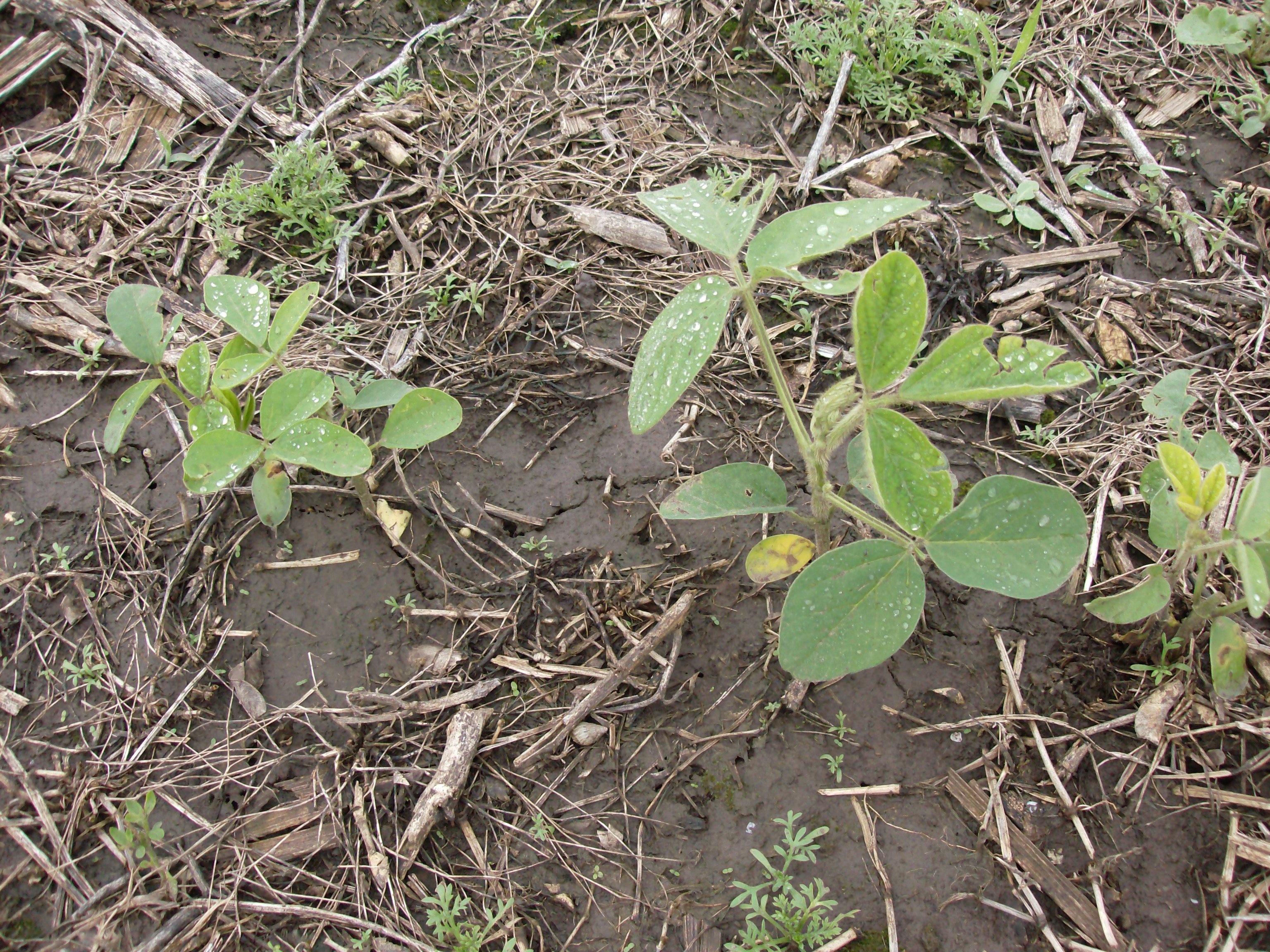 Soybean
Tobacco
Potato
Barley
Lettuce
Sugarcane
Canola
Rapeseed
Soybean
Tobacco
Potato
Barley
Lettuce
Sugarcane
Canola
Rapeseed
 Legumes
Pea
Sunflower
Tea
Strawberry
Legumes
Pea
Sunflower
Tea
Strawberry
 Turmeric
 Grape
Peanut
Grape
Peanut
 Cabbage
 Mustard
Broccoli
Cowpea
Moringa
Kale
Mustard
Broccoli
Cowpea
Moringa
Kale
 Mango
Mango
 Peach
Eggplant
Peach
Eggplant
 Coffee
 Amaranth
 Carrot
 Bread wheat
Radish
Chinese cabbage
Bread wheat
Radish
Chinese cabbage
 Chlorella
Thyme
Leek
Sugar beet
Turnip
Chlorella
Thyme
Leek
Sugar beet
Turnip
 Beetroot
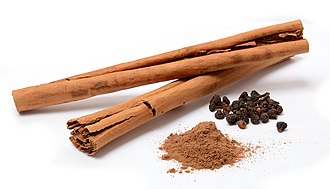 Cinnamon
 Flax
Sweet Potato
Bok Choy
Flax
Sweet Potato
Bok Choy
 Cloves
 Chard
Chilli pepper
Grapes
Chard
Chilli pepper
Grapes
 Jute mallow
 Lemongrass
 Lily
Sisal
Lily
Sisal
 Aphanizomenon flos-aquae
Arrowroot
Aphanizomenon flos-aquae
Arrowroot
 Black-eyed pea
Camellia
Cilantro
Black-eyed pea
Camellia
Cilantro
 Elephant Yam
Job's tears
Elephant Yam
Job's tears
 Kudzu vine
eco
Liupao tea
Lupine
eco
Oil sunflower
Kudzu vine
eco
Liupao tea
Lupine
eco
Oil sunflower
 Rape
Rape
 Scent leaf
Spirulina
Water leaf
Scent leaf
Spirulina
Water leaf