Search
Plant family

Rubiaceae

Called “bedstraw family” in GBIF

Rubiaceae is a family of flowering plants, commonly known as the coffee, madder, or bedstraw family. It consists of terrestrial trees, shrubs, lianas, or herbs that are recognizable by simple, opposite leaves with interpetiolar stipules and sympetalous actinomorphic flowers. The family contains about 14,200 species in about 615 genera, which makes it the fourth-largest angiosperm family by number of species. Rubiaceae has a cosmopolitan distribution; however, the largest species diversity is concentrated in the tropics and subtropics. Economically important genera include Coffea, the source of coffee; Cinchona, the source of the antimalarial alkaloid quinine; ornamental cultivars ; and historically some dye plants.

From Wikipedia, licensed under CC BY-SA 4.0

15,594
accepted species in GBIF
Source: GBIF
848
genera in GBIF
Source: GBIF
17
plants on Plant News
62
research articles
Browse by topic

Plants in this family

17 plants

Genera in this family

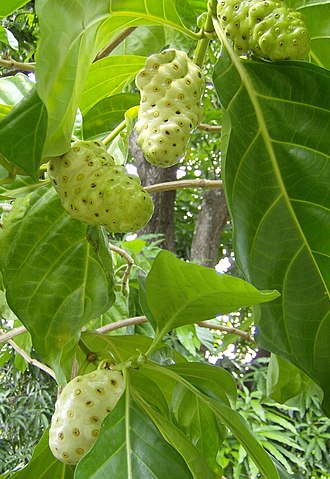
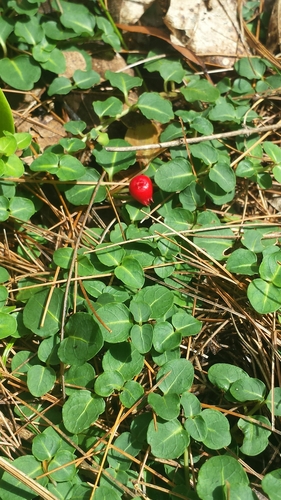
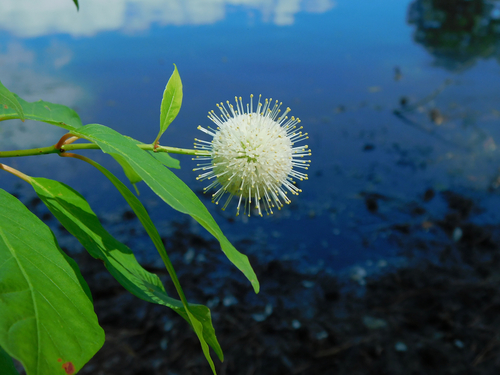
Also here, with one plant each: Cephalanthus (Buttonbush), Coffea (Coffee), Gardenia (Gardenia), Houstonia (Azure Bluet), Mitchella (Partridgeberry), Mitragyna (Kratom), Neolamarckia (Burflower Tree (Neolamarckia cadamba)), Sherardia (Field madder).

Research on Rubiaceae

62 articles
PubMed → · research article

Spent coffee grounds turned into a drug-trapping water filter

The coffee grounds you toss after your morning brew could one day help strip trace medications ou...

AI image tool spots coffee leaf disease with 95% accuracy

If you grow any plant where leaf spots and rust are hard to tell apart with the naked eye, this s...

Timing pest sprays right could save citrus trees from deadly disease

If you grow a lemon, lime, or orange tree on your patio or in your yard, this tiny psyllid insect...

What science is finding about Rubiaceae

Every article on Plant News that mentions a member of this family, newest first.

Latest finding

Jumping DNA bits help some citrus trees grab scarce iron

Scientists found that 'jumping gene' fragments inserted near an iron-transporter gene in a hardy citrus species act as switches that turn on iron uptake when soil iron is scarce, helping explain why some citrus trees cope with alkaline soils better than others.

Spent coffee grounds turned into a drug-trapping water filter

The coffee grounds you toss after your morning brew could one day help strip trace medications out of water before they reach...

Coffee phytoremediation / composting

Four staple crops carry most of Asia's plant disease burden

If you've ever grown tomatoes, potatoes, or rice-adjacent grains, this review shows the same disease families, late blight,...

Citrus crop-improvement / soil-health

Microbes and enzymes offer a cleaner way to destroy a common food toxin

If you've ever stored grain, dried chili peppers, or homemade wine at home, mold-produced toxins like this one can sneak into...

Coffee food-safety / soil-health

Cover crop nitrogen reaches citrus fruit mainly after it decomposes

If you grow fruit trees with a living mulch like vetch underneath, timing matters: the real nitrogen payoff for your fruit...

Citrus cover-crops / soil-health

AI image tool spots coffee leaf disease with 95% accuracy

If you grow any plant where leaf spots and rust are hard to tell apart with the naked eye, this shows how a smartphone camera...

Coffee crop-improvement / plant-signaling

Ancient Hawaiian medicine plant spotted at sacred coastal park

If you're walking the lava-rock trails at a Hawaiian historical park, that gnarly-leafed tree with the lumpy, foul-smelling...

Noni ethnobotany / native-plants

Two traditional herbs matched an antidepressant drug in mice

The same plant chemistry researchers are mining for depression treatments often traces back to leaves and fruits found in...

Gardenia medicinal-plants / ethnobotany

Invasive pepper pest found hiding in California garden stores

The mandevilla or gardenia you just bought at the garden center could be carrying a tiny pest that damages peppers and...

Gardenia invasive-species / pest-monitoring

Timing pest sprays right could save citrus trees from deadly disease

If you grow a lemon, lime, or orange tree on your patio or in your yard, this tiny psyllid insect is the main reason citrus...

Citrus invasive-species / crop-improvement

Tiny helper proteins could make crops tougher in a changing climate

The tomatoes ripening on your vine and the rice on your plate both depend on these microscopic protein-folding helpers to...

Citrus crop-improvement / climate-adaptation

Soil fungi help citrus roots flush out stress chemicals during drought

If you grow citrus in pots or a backyard orchard, this points to why healthy soil biology, not just watering schedules, can be...

Citrus mycorrhizal-networks / climate-adaptation

Noni plant confirmed growing wild near historic Hawaiian coastal site

Noni has been used by Hawaiians for over a thousand years as medicine, dye, and food, so spotting it thriving near Hōnaunau, a...

Noni ethnobotany / native-plants

Butterflies pick flower color and shape over nectar volume

If you grow Ixora shrubs for butterflies, this shows that swapping to the species with tubular flowers that blush from orange...

Chinese Ixora pollinators / plant-signaling

Stressed plants make their own leaves and flowers less uniform

The next time you spot leaves of wildly different sizes on the same shaded, drought-stressed plant in your garden, you're...

Sweet Woodruff plant-signaling / climate-adaptation

Fungus and bacteria team up to save sick citrus trees

Citrus groves worldwide are being hit by a one-two punch of a bacterial disease and root rot, and this microbial pairing shows...

Citrus soil-health / crop-improvement

Citrus trees recruit different soil bacteria based on genes

If you're growing citrus in pots or a backyard grove, this is a reminder that the same drought-helper spray won't work...

Citrus soil-health / climate-adaptation

Turning off one gene makes citrus roots handle salt better

If you grow citrus in a container or a yard near the coast where irrigation water or soil can turn salty over time, this...

Citrus crispr / crop-improvement

New herbicide dose nearly matches hand-weeded rice yields

Direct-seeding rice saves farmers water and labor compared to transplanting, but weeds like barnyardgrass and crabgrass have...

catchweed bedstraw crop-improvement / invasive-species

Native wildflower confirmed on a Kananaskis mountain trail

Every verified trail sighting like this one helps land managers track where native wildflowers actually grow, which shapes...

Northern Bedstraw native-plants / phenology

Coffee compound fights liver cancer in animal studies

That afternoon cup of coffee contains chlorogenic acid, the same compound researchers are studying for its ability to kill...

Coffee medicinal-plants / ethnobotany

Some city trees quietly soak up heavy metal pollution from soil

That scraggly street tree outside your window might be doing double duty as a pollution gauge, since certain species pull far...

Burflower Tree (Neolamarckia cadamba) phytoremediation / urban-ecology

Flowers' built-in symmetry keeps cross-pollination on track across diverse visitors

Native shrubs in pollinator-friendly gardens can maintain healthy reproduction even as bee communities shift and butterflies...

Morinda royoc pollinators / native-plants

Buttonbush spotted thriving in Charlottesville's Greenbrier neighborhood

Buttonbush is one of the best native shrubs you can plant near a wet spot or rain garden — its globe-shaped white flowers draw...

Buttonbush native-plants / urban-ecology

Citrus greening disease is caused by an immune system overreaction

If you've noticed shrinking, bitter, misshapen citrus at the store or watched a backyard orange tree decline for no obvious...

Citrus plant-signaling / crop-improvement

Coffee's waste grounds can become soil-improving biochar, scientists find

Every bag of coffee you brew leaves behind grounds that most people throw away, but those grounds can be turned into biochar,...

Coffee biochar / soil-health

Beneficial microbes on citrus skin can outcompete green mold in storage

Every orange, lemon, and mandarin sitting in storage or on a store shelf is quietly vulnerable to a mold that destroys more...

Citrus postharvest-disease / biocontrol

Crt-miR166a, a Citrus-Derived MicroRNA, Modulates the Gut Microbiota-Metabolites under High-Fat Diet.

Citrus peels and juice you compost or discard carry microscopic molecular signals that, even after digestion, may be quietly...

Citrus plant-signaling / medicinal-plants

Medicinal plants fermentation: current knowledge and perspectives.

Herbs like moringa you might grow in a pot or forage dried at a market release far more of their beneficial compounds after...

Noni medicinal-plants / fermentation

Nano-enabled RNAi strategies for sustainable citrus protection against viral pathogens.

The lemon or orange tree in your yard is vulnerable to viruses spread by aphids and mites that slowly drain its vigor over...

Citrus plant-disease / crop-improvement

Compost and rootstock effects on fibrous root physiology and bacterial community composition in young citrus trees under endemic Huanglongbing.

Florida orange groves are disappearing faster than most people realize, and even the best soil-building practices can't save...

Citrus soil-health / composting

CITRUS DISEASES: ETIOLOGY, SYMPTOMS AND INTEGRATED MANAGEMENT APPROACHES

If you grow citrus in a pot on your patio or have a lemon tree in the backyard, knowing what a bacterial canker lesion or a...

Citrus crop-improvement / food-forest

CITRUS DISEASES: ETIOLOGY, SYMPTOMS AND INTEGRATED MANAGEMENT APPROACHES

If you grow citrus in a pot on your patio or tend a backyard mandarin, knowing how to spot early disease signs — and which...

Citrus crop-improvement / integrated-pest-management

Metformin-phytochemical combination therapy in metabolic dysfunction-associated steatotic liver disease: mechanistic insights and therapeutic potential.

Milk thistle growing along your fence or in a sunny patch of disturbed soil has been producing silymarin for millennia — and...

Coffee medicinal-plants / phytochemicals

Sweet Woodruff (Galium odoratum) observed in Kitchener

Sweet Woodruff spreading through Kitchener's green spaces is worth knowing if you're planting a shady corner — it carpets dry...

Sweet Woodruff citizen-science / urban-ecology

Biochar amendment enhances the diversity of phagotrophic and phototrophic protists in citrus orchard soils via fungal-mediated pathways.

If you've ever struggled to grow citrus or fruit trees in heavy clay or acid soil, biochar made from wood scraps or straw...

Citrus soil-health / composting

Chaihu-Shugan San ameliorates perimenopausal obesity with depression by coordinately targeting hepatic PGC-1α/CYP8B1/PPARγ signaling and gut barrier integrity.

Licorice root you can grow in a sunny border and the grapefruit sitting on your counter both carry compounds — glycyrrhizic...

Citrus medicinal-plants / ethnobotany

Field madder (Sherardia arvensis) observed in Pullen Mill Rd, Culleoka, TN, US

Field madder creeps through lawns and garden edges so inconspicuously that most people never learn its name — spotting and...

Field madder invasive-species / citizen-science

Distinct microbial mediators link diet to inflammation in Crohn's disease and ulcerative colitis.

Every handful of beans, leafy greens, or berries from your garden feeds gut bacteria that actively suppress inflammation — and...

Coffee gut-microbiome / fiber

Bacterial DNA map could help stop citrus and cotton disease

The citrus canker scarring orange peels at the grocery store and the cotton fiber in your t-shirt both trace back to strains...

Citrus crop-improvement / plant-signaling

partridgeberry (Mitchella repens) observed in Massachusetts, US

Partridgeberry is a charming native groundcover that thrives in shady woodland gardens, stays green year-round, and produces...

Partridgeberry citizen-science / native-plants

Neohesperidin from Aurantii Fructus Immaturus Exerts Antidepressant-Like Effects and Modulates Glucocorticoid Receptor Signaling in a Chronic Stress Model.

Citrus peels you might normally toss in the compost bin contain a compound that scientists are actively studying as a natural...

Citrus plant-medicine / phytochemicals

Keystone taxa of phyllosphere microbiome confer resistance to citrus bacterial canker in pomelo via multiple mechanisms.

The citrus trees at your local farmers market or in your backyard could one day be protected from devastating canker disease...

Citrus microbiome / biocontrol

Precision editing to improve fruit traits: CRISPR/Cas into the picture.

Strawberries, bananas, and tomatoes at your grocery store could soon be bred to resist disease and pack more nutrients without...

Citrus crispr / crop-improvement

partridgeberry (Mitchella repens) observed in Riverbend Pkwy, Athens, GA, US

Partridgeberry carpets shaded woodland floors and its bright red berries feed birds and small mammals through winter, so...

Partridgeberry citizen-science / urban-ecology

LC-MS-guided characterization and neuroprotective evaluation of Galium libanoticum in an LPS-induced neuroinflammation model.

Bedstraw plants growing along Mediterranean roadsides and garden edges have been trusted for centuries as folk remedies for...

Bedstraw ethnobotany / neuroprotection

azure bluet (Houstonia caerulea) observed in S Eberhart Rd, Butler, PA, US

Azure bluet carpets meadows and lawns with tiny sky-blue flowers each spring, and community sightings like this one help track...

Azure Bluet phenology / urban-ecology

Investigating Opioid Receptor Activity through Biocatalytic Halogenation and Oxidation of Mitragynine.

Kratom, a tropical tree long brewed as a tea for pain relief across Southeast Asia, may hold the chemical blueprint for the...

Kratom natural-product-medicine / alkaloid-chemistry

catchweed bedstraw (Galium aparine) observed in N Coleman St, Prosper, TX, US

Catchweed bedstraw spreads aggressively through gardens and natural areas, clinging to clothes, pets, and other plants — and...

catchweed bedstraw urban-ecology / invasive-species

Chaihu Shugan San exerts antidepressant effects by driving microglial M2 polarization via inhibition of the IL-1β/JNK signaling pathway.

It shows that common garden and apothecary plants like licorice root and peony contain specific compounds that measurably...

Citrus plant-medicine / neuroinflammation

Gardenia jasminoides fruit extract alleviates MC903-induced atopic dermatitis and reduces IL-4/IL-13-induced tight junction disruption and inflammation by regulating the phosphorylation of STAT6.

Gardenia — a plant many people grow for its fragrant white flowers — turns out to produce compounds in its fruit that could...

Gardenia plant-medicine / plant-signaling

Advances in natural medicinal plant-based interventions against hypoxia-related neuroinflammation.

Several of the plants studied — saffron, ginseng, and Rhodiola — are already available in gardens, health stores, or as common...

Gardenia medicinal-plants / neuroprotection

Field madder (Sherardia arvensis) observed in Forsyth St, Monticello, GA, US

Field madder is a creeping weed that can quietly invade lawns, gardens, and roadsides near you — and tracking where it shows...

Field madder invasive-species / urban-ecology

partridgeberry (Mitchella repens) observed in Massachusetts, US

Citizen science observations like this help track where native woodland plants like partridgeberry are thriving, which can...

Partridgeberry citizen-science / native-plants

AI-empowered crop protection against insect-borne diseases.

Citrus on your grocery store shelf and the tomatoes in your garden are under constant threat from insect-carried diseases that...

Citrus crop-improvement / ai-in-agriculture

Fighting citrus Huanglongbing with evolutionary principles.

Huanglongbing has already wiped out millions of orange and lemon trees worldwide, threatening the citrus fruit in your grocery...

Citrus crop-improvement / biocontrol

Fungal diversity associated with coffee leaf rust (Hemileia vastatrix) pustules based on ITS1 amplicon sequencing.

Researchers studied the fungal communities living alongside coffee leaf rust infections on coffee plants across Costa Rica....

Coffee crop-improvement / climate-adaptation

Polyphenol-Rich Coffee Leaf Extract Alleviates High-Fat Diet-Induced Intestinal Barrier Dysfunction through Modulation of Barrier Integrity, Enterohepatic Axis, and Gut Microbiota.

Coffee plants in your garden or at your local café produce leaves that are usually thrown away, yet they may contain some of...

Coffee polyphenols / gut-microbiota

Citrus-Derived Exosome-like Nanoparticles Attenuate High-Fat Diet-Aggravated Colitis by Gut Microbiota-Metabolites Modulation.

Oranges and lemons growing in your garden — or the citrus you buy at the market — may contain microscopic particles with real...

Citrus crop-improvement / plant-signaling

Genome-wide association studies identify new candidate genes and tissues underlying resistance to a natural toxin in drosophilids.

Understanding exactly how insects overcome a plant's natural chemical defenses could help us design smarter, more targeted...

Noni crop-improvement / plant-signaling

Field-Compatible Detection of Spiroplasma citri Associated with Citrus Stubborn Disease Using CRISPR-Cas12a and Crude Sample Preparation.

Researchers developed a portable CRISPR-based test that detects citrus stubborn disease in the field within minutes using...

Citrus crispr / crop-improvement

Transgene-free genome editing in citrus and poplar meristem tissues via biolistic ribonucleoprotein delivery of CRISPR-Cas9.

It opens a path to developing disease-resistant citrus trees and faster-growing poplars without the 'GMO' label — meaning...

Citrus crispr / crop-improvement