Medicinal plants fermentation: current knowledge and perspectives.
Zhang Z, Geng C, Ho SXY, Lu Y, Liu SQ
Medicinal Plants
Herbs like moringa you might grow in a pot or forage dried at a market release far more of their beneficial compounds after fermentation — the same ancient process behind your kombucha or miso is quietly transforming what plant medicine can do.
Many healing plants lock their good stuff — antioxidants, anti-inflammatories, and other beneficial chemicals — inside tough plant cell walls or bound up with other molecules your body can't easily absorb. Fermentation, using microbes like bacteria and yeasts, breaks those locks open, transforms some compounds into even more potent forms, and neutralizes bitter or harmful substances. Scientists are now studying how to do this consistently and safely so fermented herbal products can become reliable medicines and functional foods.
Key Findings
Fermentation releases bound phytochemicals, transforms polyphenols, and generates entirely new beneficial metabolites not present in the raw plant.
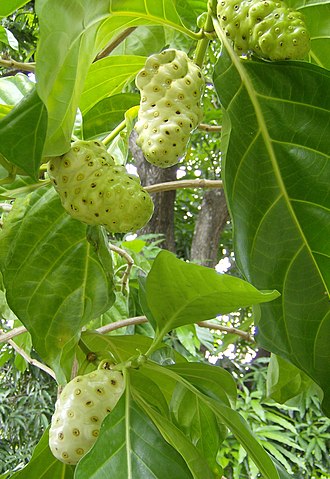
Emerging plants like moringa, noni, and chaga mushroom show strong potential for microbial biotransformation, addressing challenges like bitterness, toxins, and low bioavailability.
Key barriers to progress include raw material variability, inconsistent fermentation protocols, and limited clinical validation — the review calls for standardized systems and multi-omics analysis to close these gaps.
chevron_right Technical Summary
Fermenting medicinal plants — using bacteria, yeasts, or fungi to break down plant material — significantly boosts the health-promoting compounds available in those plants while reducing toxins and improving taste. This review maps what we know and what research gaps remain before fermented plant products can reliably reach consumers.
Abstract Preview
Fermentation improves medicinal plants in functional foods, nutraceuticals, and phytomedicine. Many plants have bioactive compounds trapped in complex matrices, limited by low bioavailability, toxi...
open_in_new Read full abstractAbstract copyright held by the original publisher.

Was this useful?
Want to tell us more? (optional)
Thanks for the note!
Something went wrong — please try again.
Too many submissions. Try again in an hour.
Fifteen herbs from turmeric to lion's mane protect the aging brain
The saffron crocuses you plant in fall, the turmeric on a sunny windowsill, and the lemon balm spreading in your herb bed all contain compounds that clinical...

Moringa is the sole genus in the plant family Moringaceae. It contains 13 species, which occur in tropical and subtropical regions of Africa and Asia and that range in size from tiny herbs to massive trees. Moringa species grow quickly in many types of environments.