Tiny helper proteins could make crops tougher in a changing climate
Arif M, Rehman HM, Bashir S, Mahmood N, Srivastava AK
Crop Improvement
The tomatoes ripening on your vine and the rice on your plate both depend on these microscopic protein-folding helpers to survive a heat wave or a dry spell, and scientists are learning to tune them for better harvests.
Inside every plant cell, helper proteins called DnaJ act like quality-control workers, making sure other proteins fold into the right shape even when things get stressful, like extreme heat or drought. This review pulls together what scientists have learned about these helpers across many crops, showing they influence everything from stress tolerance to fruit ripening and disease resistance. Breeders could eventually tweak these genes to grow crops that hold up better as growing conditions get harder.
Key Findings
DnaJ proteins act as co-chaperones with Hsp70, regulating protein folding and stability during abiotic stresses like heat, drought, salinity, and cold
They influence hormone signaling (abscisic acid, melatonin), reactive oxygen species detoxification, and ion homeostasis in response to stress
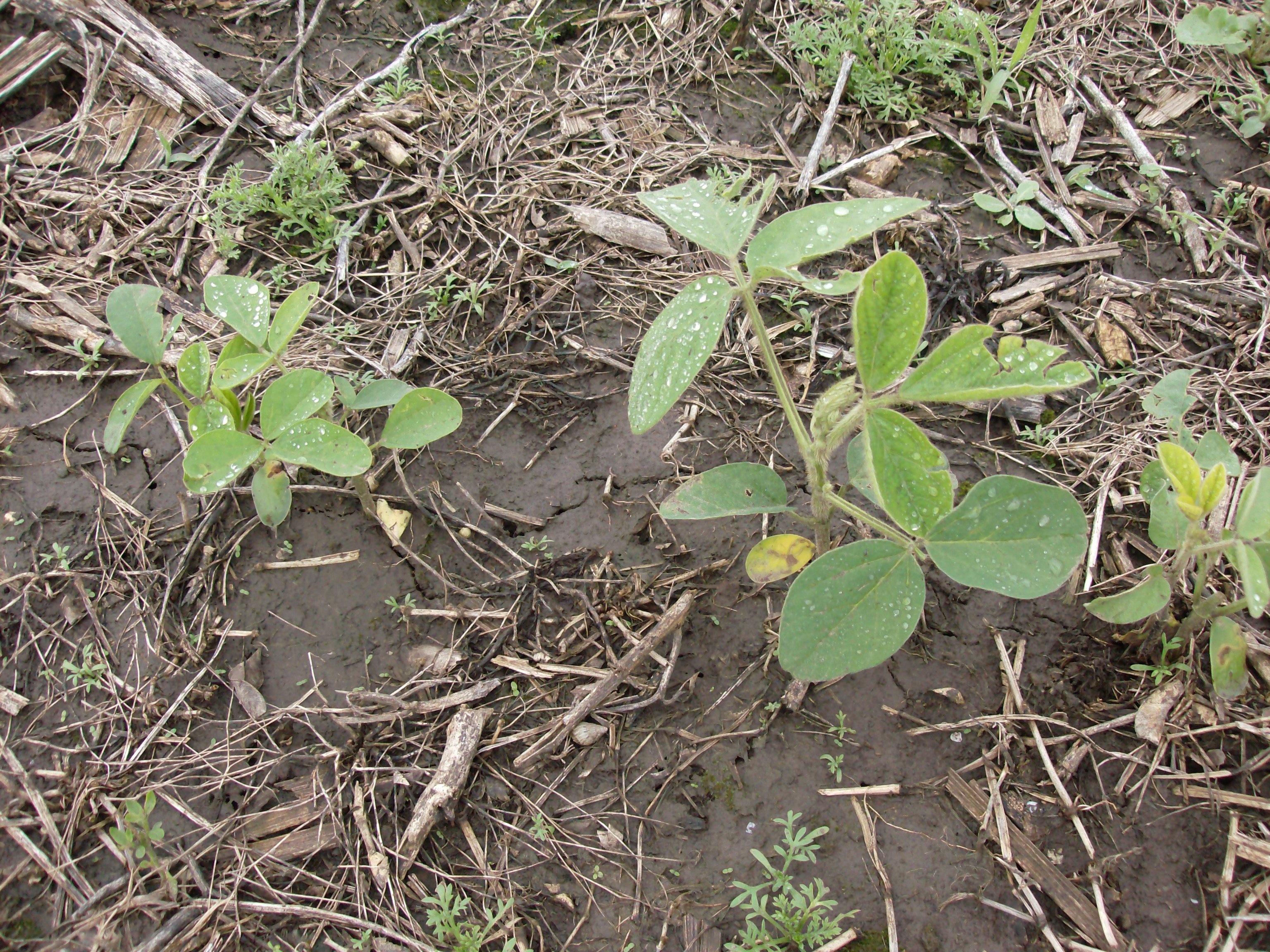
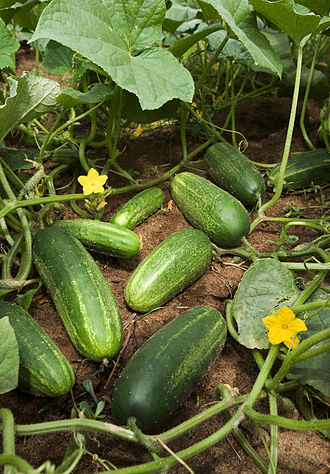
Beyond stress tolerance, DnaJ proteins affect reproductive development, root architecture, chloroplast stability, fruit ripening, and postharvest quality across crops like rice, maize, tomato, soybean, grapevine, citrus, and cucumber
chevron_right Technical Summary
Scientists reviewed decades of research on a family of helper proteins called DnaJ that help plants fold proteins correctly under stress. These proteins turn out to be key switches for heat, drought, salt, and disease resistance across crops like rice, tomato, and soybean, making them promising targets for breeding tougher plants.
Abstract Preview
Original paper
Focus on DnaJ protein research from Arabidopsis to crop improvement.
DnaJ proteins (Hsp40s) are essential components of the cellular proteostasis network, functioning as molecular co-chaperones that regulate protein folding, stability, and stress-responsive homeosta...
open_in_new Read full abstractAbstract copyright held by the original publisher.
Species Mentioned




Was this useful?
Want to tell us more? (optional)
Thanks for the note!
Something went wrong — please try again.
Too many submissions. Try again in an hour.
Targeted knockout of a host peroxisomal peptidase confers field resistance to...
The corn in your grocery store and the staple food keeping millions of East African families fed is under serious threat from a viral disease that can wipe o...

Arabidopsis (rockcress) is a genus of small flowering plants in the cabbage and mustard family, Brassicaceae. Arabidopsis species are native to temperate and subarctic Eurasia and North America, North Africa, and the mountains of eastern tropical Africa. This genus is of great interest since it c...