field-diagnostics
Field-diagnostics is the practice of identifying plant diseases, pest damage, and nutritional deficiencies directly in agricultural and natural environments. This capability is essential for plant science because it enables rapid, on-site assessment that informs immediate management decisions and supports research into disease resistance and crop resilience. By providing timely diagnostic information, field-diagnostics bridges laboratory research and practical agriculture, enhancing disease control and crop productivity.

Soil In-situ Enrichment Coupled with RPA-CRISPR/Cas12b for Rapid an...
Strawberry wilt can wipe out entire crops silently through the soil, and this new tool lets farme...
Field-deployable CRISPR-cas variants for rapid on-site detection of...
Faster disease detection means farmers and growers can catch outbreaks before they spread, protec...

Field-Compatible Detection of Spiroplasma citri Associated with Cit...
Researchers developed a portable CRISPR-based test that detects citrus stubborn disease...
Field-parallel six-sample microfluidic detection of plant viruses v...
Viral diseases can wipe out entire crops before farmers even know they're present, and catching t...
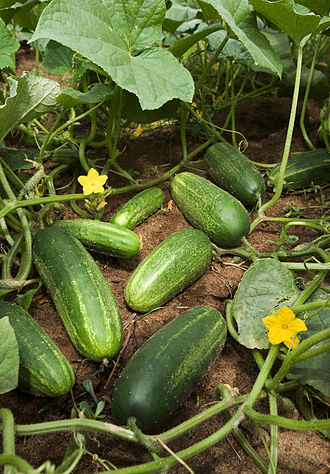
On-site, highly-sensitive and multi-signal detection of cucumber ba...
The cucumbers at your farmers market or in your garden are vulnerable to fast-spreading bacterial...

Ultrasensitive, low-input detection of avocado sunblotch viroid via...
Avocado trees infected with Sunblotch Viroid can look perfectly healthy for years while quietly p...

Application of digital PCR and CRISPR/Cas13a-based fluorescent assa...
Cotton fields in Texas are under threat from a spreading virus that's quietly cutting yields, and...