On-site, highly-sensitive and multi-signal detection of cucumber bacteria via CRISPR/Cas12a coupled with duplex RPA.
Shen Y, Wang H, Gao W, Luo W, Fan T
Crispr
The cucumbers at your farmers market or in your garden are vulnerable to fast-spreading bacterial diseases that can wipe out entire crops before farmers even know there's a problem — this tool lets growers catch those infections early enough to actually do something about it.
Two bacteria cause serious slime-and-rot diseases in cucumber plants, and they can destroy harvests quickly. Researchers combined two powerful DNA-detection tricks into a small portable device that can identify either pathogen from a plant sample in less than an hour, using just a smartphone to read the results. This means farmers could test their crops on the spot instead of waiting days for lab results.
Key Findings
The device detects both pathogens at an extremely low concentration of 10⁻⁵ ng/μL, meaning it can find the bacteria even before symptoms are visible.
The entire detection process — from sample to result — takes less than one hour and requires no laboratory equipment.
A smartphone reads the fluorescent signal output, enabling high-throughput field testing without specialized training or instruments.
chevron_right Technical Summary
Scientists built a handheld device that can detect two dangerous cucumber bacterial diseases in under an hour using CRISPR gene-editing technology, right in the field — no lab required.
Abstract Preview
Pseudomonas amygdali pv. lachrymans (Pal) and Pectobacterium brasiliense (Pb) are highly destructive bacterial pathogens that cause severe oozy diseases in cucumber crops, often resulting in signif...
open_in_new Read full abstractAbstract copyright held by the original publisher.
Species Mentioned
Was this useful?
Want to tell us more? (optional)
Thanks for the note!
Something went wrong — please try again.
Too many submissions. Try again in an hour.
Targeted knockout of a host peroxisomal peptidase confers field resistance to...
The corn in your grocery store and the staple food keeping millions of East African families fed is under serious threat from a viral disease that can wipe o...
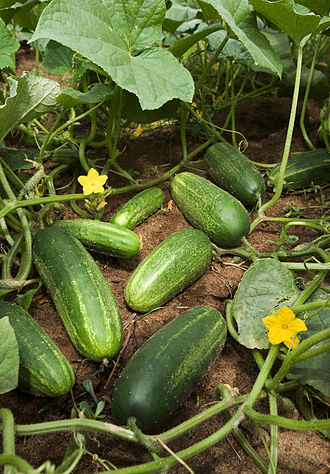
The cucumber is a widely-cultivated creeping vine plant in the family Cucurbitaceae that bears cylindrical to spherical fruits, used as culinary vegetables. Considered an annual plant, there are three main types of cucumber—slicing, pickling, and seedless.