plant-compounds
Plant compounds are the diverse array of primary and secondary metabolites produced by plants, including alkaloids, terpenoids, flavonoids, glucosinolates, and organosulfur compounds, each synthesized through specific biosynthetic pathways. Understanding these molecules is central to plant science because they mediate ecological interactions such as defense against herbivores and pathogens, attraction of pollinators, and allelopathy. Research into plant compounds also drives advances in agriculture, pharmacology, and nutrition by revealing how plants synthesize bioactive substances with potential applications in crop improvement and medicine.

Fifteen herbs from turmeric to lion's mane protect the aging brain
The saffron crocuses you plant in fall, the turmeric on a sunny windowsill, and the lemon balm sp...
Proanthocyanidins inhibit methane emissions by interacting with met...
The tannin-rich plants already growing in your garden — grapevines, blueberry bushes, apple trees...
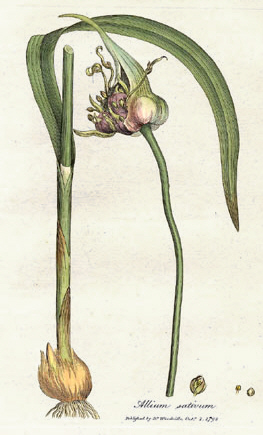
Steamed garlic attenuates ulcerative colitis in mice by modulating ...
Garlic you grow or buy at the farmers market may be far more medicinal than you realize — and som...

Mulberry polyphenols (ABRU) promote bone formation and alleviate bo...
Mulberries growing in your backyard or at the farmers market may contain compounds that rival pha...

African fig leaf extract rivals a standard drug for arthritis relie...
Traditional healers across tropical Africa have long used fig tree leaves as medicine, and this s...
Polygonatum sibiricum polysaccharide alleviates irritable bowel syn...
Siberian Solomon's seal, a graceful woodland plant many gardeners grow for its arching stems and ...

Integrated in vitro and in silico characterization of Dittrichia vi...
A sticky, yellow-flowered shrub colonizing roadsides around the Mediterranean turns out to pack c...

Large-leaf yellow tea oligosaccharides alleviate T2DM by promoting ...
Yellow tea plants, cultivated for centuries in China's mountain gardens and increasingly grown by...
Plant compound ferulic acid shows promise for calming ulcerative co...
Ferulic acid sits in the cell walls of the wheat, rice, and oat bran, and in the coffee, apples, ...

Plant-mediated green nanoparticles: combining nanometal and biometa...
Galantamine — the only FDA-approved Alzheimer's drug derived directly from a plant — comes from s...

Licorice root compounds curb colon tumors in mice by feeding helpfu...
The licorice root behind the candy and herbal teas in your cupboard holds compounds that, in mice...
Plant compound rutin calms runaway immune response and protects lun...
Rutin is the same pigment-like flavonoid that shows up in buckwheat, citrus peel, and the leaves ...
Chaihu-Shugan-San alleviates functional dyspepsia by inhibiting cen...
A centuries-old blend of medicinal herbs, not a synthetic drug, was scientifically shown to ease ...
Tongmai Yangxin pill mitigates myocardial ischemia/reperfusion inju...
It suggests that plant-based traditional medicines contain compounds that interact with fundament...

Teen marijuana use lowers grades and raises addiction risk in one-i...
Cannabis is one of the most chemically complex cultivated plants humans grow, but rising THC conc...


