nitrogen-fixation
Nitrogen fixation is the biological process by which specialized enzymes convert atmospheric nitrogen into ammonia, making this essential nutrient available to plants. This process is fundamental to plant science because it provides a natural mechanism for nitrogen availability without reliance on synthetic fertilizers, reducing agricultural environmental impacts. Understanding and optimizing nitrogen-fixation pathways remains crucial for developing sustainable crop systems that maintain productivity while minimizing chemical inputs.
open_in_new Wikipedia
CRISPR/Cas9-mediated knockout of PsLykX gene of pea (Pisum sativum ...
Understanding exactly how pea plants partner with soil bacteria to 'fix' their own nitrogen could...

The Medicago SPX1/3-PHR2 network relays phosphate signaling to orch...
The beans and peas in your garden naturally fertilize themselves by recruiting soil bacteria — an...

The Interplay of Light and Microbial Symbiosis in Shaping Plant Eco...
Inoculating the legumes in your garden—clover, beans, peas—with the right soil bacteria can multi...
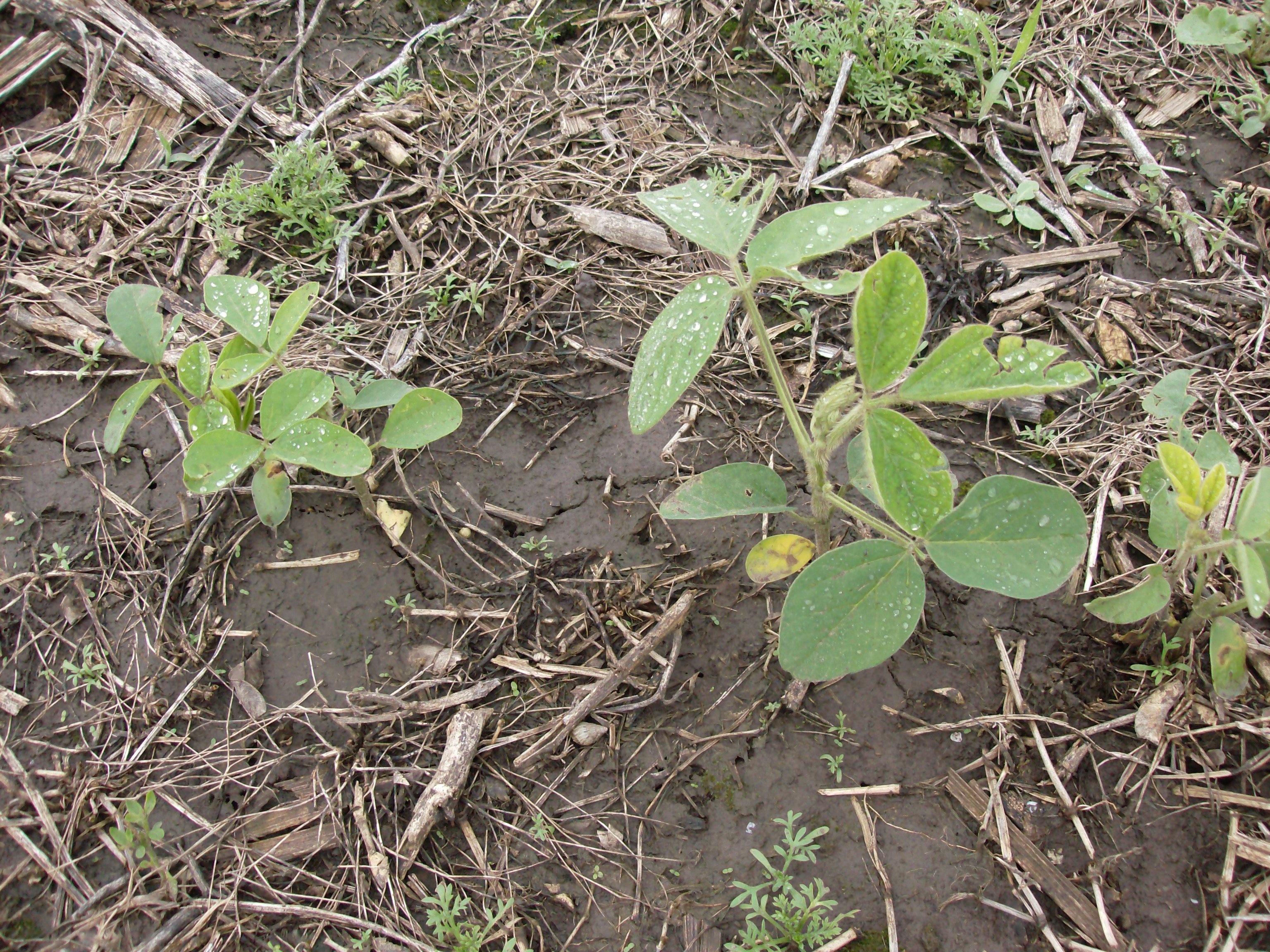
A long-distance signaling loop promotes soybean nodulation and prod...
Soybeans and their bean-family cousins quietly fertilize themselves by hosting root bacteria — an...
The GmCYCLOPS paralogs regulate soybean nodulation and exhibit sign...
Every bag of soybean-based fertilizer or tofu you've ever touched exists partly because soybean r...
Complete Genome of an Alkali-Resistant Rhizobium anhuiense Symbiont...
Growing peas in your garden could one day mean skipping the fertilizer bag entirely — bacteria li...
A synthetic microbial community for soybean biofertilization design...
Soybeans grown with smarter microbial helpers could mean less synthetic fertilizer runoff reachin...
Signaling peptides at the crossroad of root endosymbioses.
Every clover and pea in your garden is quietly running a molecular negotiation underground, signa...

Soil bacteria inoculants give small-scale farmers a cheap yield boost
If you grow legumes like beans or peas, the right soil bacteria can fix atmospheric nitrogen dire...
Survey of scientific production on bio-inputs in Northern and North...
The beans and grasses that feed millions of people in tropical regions can grow without synthetic...
WOX5 expression stimulated by the transcription factor NF-YAc repro...
Every legume cover crop you turn under to rebuild your garden soil is running this exact genetic ...
Cyclophilin A-mediated cis/trans isomerization modulates RIN4 to co...
Every bag of dry lentils, every snap pea clinging to your trellis, every patch of clover feeding ...

WHEAT PRODUCTIVITY AND SOIL HEALTH: THE ROLE OF AZOTOBACTER AND ORG...
Every handful of compost you dig into your garden beds is doing the same work described here — fe...

Overlooked tree-root partnerships quietly maintain nitrogen in whol...
Alder trees lining the creek in your local park are quietly building soil fertility from scratch,...

New plant cell platform accelerates the push for self-fertilizing crops
Nitrogen fertilizer is the single biggest recurring cost in most vegetable gardens, and this rese...
Microbial co-inoculation and extracellular vesicles: new frontiers ...
The same nitrogen-fixing bacteria that make soybean fields self-fertilizing can be harnessed in h...
COCHLEATA controls spatial regulation of cytokinin and auxin during...
Every garden pea, lentil, or clover you grow feeds itself partly by partnering with soil bacteria...
Coordination of PTI and ETI in legume-rhizobium mutualism.
Every bean, pea, or clover you grow depends on underground bacteria that fertilize the soil for f...
A longitudinal roadside study of the New Hampshire alder root nodul...
Alders are one of the few trees that can colonize a gravel pit or eroded streambank and actually ...
Soybeans recruit soil bacteria to feed themselves with less fertilizer
Soybeans fix their own nitrogen from the air through root partnerships with soil bacteria, and un...

Genomic insights into Rhizobium anhuiense IY2 isolated from Trifoli...
Bacteria like this one are what allow clover and other legumes in your garden to pull free nitrog...
Soybean bacteria use one genetic system to sniff out roots
The bacterial inoculants many gardeners and farmers add to bean and pea seeds work by literally s...
How legume roots build tiny homes for nitrogen-making bacteria
The pea and bean plants in your vegetable bed grow those pinkish root nodules by running an inter...


