gut-health
Gut health research investigates how plant compounds affect human digestive function and intestinal microbial communities. This field is significant for plant science as it validates traditional medicinal plant uses, identifies bioactive compounds with therapeutic potential, and bridges ethnobotanical knowledge with modern biochemistry to develop evidence-based health applications.
open_in_new WikipediaEffect of plant sterols on intestinal health: a comprehensive revie...
Vegetables, nuts, seeds, and whole grains you already grow and eat are packed with plant sterols ...

Dendrobium huoshanense polysaccharides alleviate DSS-induced ulcera...
It shows that a specific part of a traditional medicinal orchid — the stem — holds the most thera...
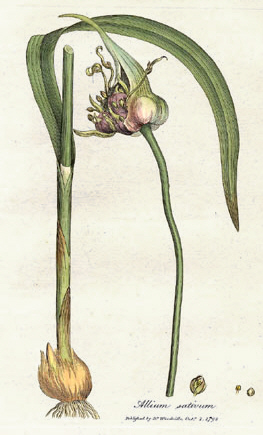
Steamed garlic attenuates ulcerative colitis in mice by modulating ...
Garlic you grow or buy at the farmers market may be far more medicinal than you realize — and som...
Cardiometabolic and Microbiome Effects of Spices and Herbs.
Growing a window box of thyme, rosemary, and oregano — and actually cooking with them daily — cou...

Wild garlic leaf extract calms gut inflammation in lab tests
If you forage wild garlic in spring woodlands or grow it under trees in a shady garden bed, this ...

Effect and mechanism of Rabdosia rubescens on ulcerative colitis: N...
It's scientific validation that a garden-worthy ornamental herb used in traditional medicine for ...

Chaihu-Shugan San ameliorates perimenopausal obesity with depressio...
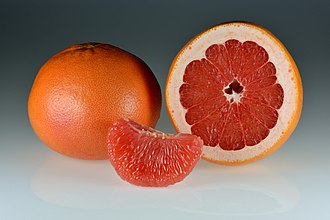
Licorice root you can grow in a sunny border and the grapefruit sitting on your counter both carr...

Ancient medicinal fungus calms gut inflammation in mice
The mushroom growing on old pine tree roots in the woods, known as Poria cocos or Fuling, has bee...

Ancient herbal remedy repairs gut damage in colitis mice
Compounds like gallic acid and ellagic acid, found in many common fruits and plants, appear to fl...
Plant compound ferulic acid shows promise for calming ulcerative co...
Ferulic acid sits in the cell walls of the wheat, rice, and oat bran, and in the coffee, apples, ...

Water kefir as a paradigm for multi-omics and genome-scale metaboli...
Fermented foods and drinks you make or buy at the farmers market depend on living microbial ecosy...

Tea from Pods with Seeds of <i>Libidibia ferrea</i> (Ju...
If you've ever reached for a traditional herbal remedy during a gut flare-up, this study is a rem...

Ayurvedic arjuna tree bark shows early promise for soothing gut inf...
The arjuna tree, a tall riverside species grown in warm-climate gardens and avenues across South ...
Common fungicide mancozeb disrupts gut bacteria and liver in mice
If you spray mancozeb on your tomatoes or apple trees to fight blight, this study is a reminder t...
Multi-modal therapeutic approaches to inflammatory bowel disease: p...
Plants in your kitchen and garden—herbs, spices, medicinal botanicals—are actively being studied ...
Translational human gut microbiome research: What are the missing p...
Fermented foods you grow and eat from your garden — kimchi cabbage, kefir-ready beets, probiotic-...
Impact of prebiotics, probiotics, and postbiotics on maternal and f...
The same beneficial microbes and fermented substrates you cultivate in compost or fermented plant...