functional-food
Functional foods are plants or plant-derived products engineered or cultivated to provide health benefits beyond basic nutritional content through enhanced bioactive compounds. This concept motivates plant science research into optimizing phytochemicals, antioxidants, and other beneficial compounds through selective breeding, agronomic practices, and cultivation techniques. For plant scientists, functional foods represent a significant research frontier that bridges plant biology and human health, driving innovation in understanding how plant metabolism and genetics can be leveraged for both agricultural and medical applications.
open_in_new Wikipedia
Unveiling the Nutraceutical Potential of Yam Dioscorea alata L.: A ...
That purple yam you might grow as an ornamental or edible in a warm-climate garden turns out to p...

Phytochemical profile, biological activities, and biotic stress fac...
The potato skins you might be peeling away and discarding are actually packed with protective com...

Water-soluble tomato concentrate alleviates neuron apoptosis though...
Tomatoes growing in your backyard or on your windowsill contain compounds that scientists are now...

Effects of olive leaf polyphenols on blood lipid profiles and cardi...
The olive tree you might grow in a pot on your patio or harvest from a Mediterranean garden produ...

Oligosaccharide prebiotics in functional foods and therapeutics: in...
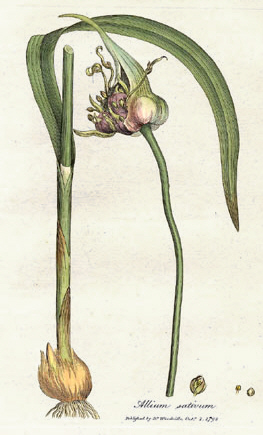
Growing chicory, Jerusalem artichokes, or garlic in your garden puts some of the most potent preb...
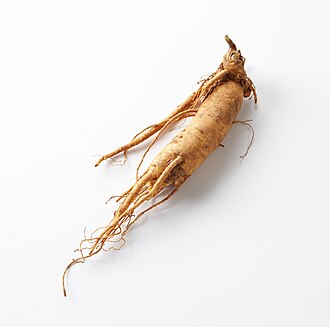
Ginseng Polysaccharides: A Comprehensive Review of Extraction, Stru...
Ginseng growing in your woodland garden or shade bed holds polysaccharides in its roots that feed...