bioavailability
Bioavailability refers to the fraction of plant-derived compounds that are actually absorbed and utilized by organisms consuming them, rather than simply the total amount present in the plant material. In plant science, understanding bioavailability is crucial because it determines the actual biological impact and health benefits of plant compounds—knowing a plant contains beneficial compounds is only meaningful if those compounds can be effectively absorbed. Research on bioavailability reveals how factors like chemical structure, processing methods, and metabolic interactions influence whether plant compounds deliver their intended nutritional or medicinal effects.
open_in_new Wikipedia
Medicinal plants fermentation: current knowledge and perspectives.
Herbs like moringa you might grow in a pot or forage dried at a market release far more of their ...

Comprehensive evaluation of Ganoderma lucidum extracts: digestion k...
Reishi mushrooms you might grow at home or take as a supplement deliver most of their immune bene...

Barberry's yellow compound finally reaches the body with new delive...
Barberry shrubs growing in hedgerows and wild edges across North America and Europe have been pro...
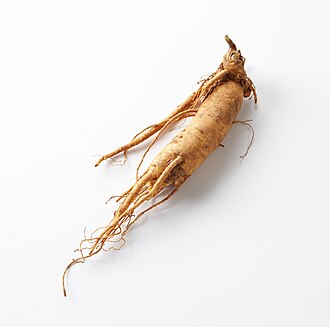
Ginseng Polysaccharides: A Comprehensive Review of Extraction, Stru...
Ginseng growing in your woodland garden or shade bed holds polysaccharides in its roots that feed...
β-Sitosterol-loaded leciplexes attenuate rheumatoid arthritis in ra...
Beta-sitosterol is quietly present in the seeds, nuts, and vegetable oils in your kitchen — this ...
Addressing the Precision Delivery Challenges of Food-Medicine Homol...
Medicinal herbs you might grow in a tea garden — astragalus, goji, licorice root — contain powerf...