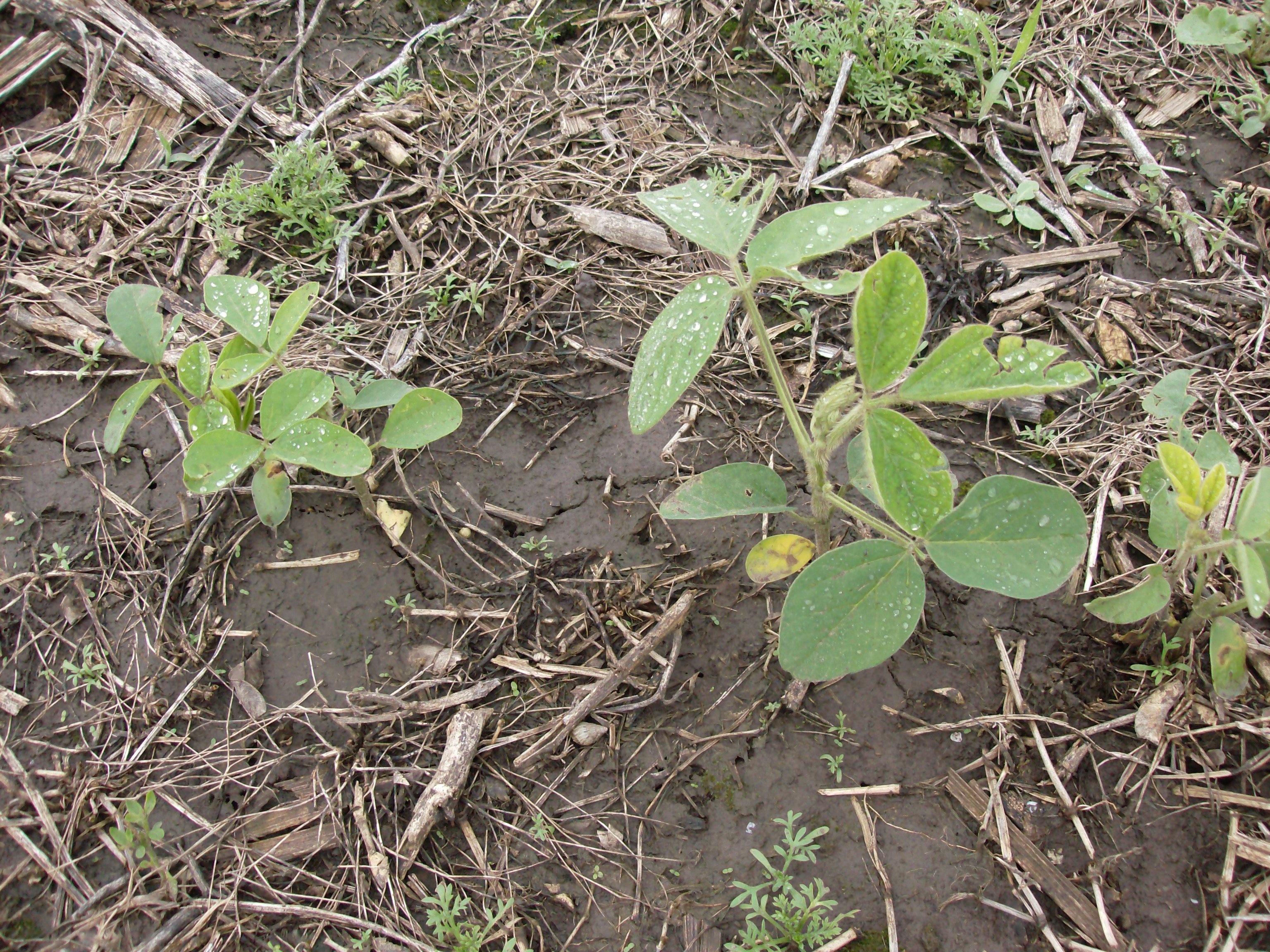
Winter Wheat
Winter wheat are strains of wheat that are planted in the autumn to germinate and develop into young plants that remain in the vegetative phase during the winter and resume growth in early spring. Classification into spring wheat versus winter wheat is common and traditionally refers to the season during which the crop is grown. For winter wheat, the physiological stage of heading is delayed until the plant experiences vernalization, a period of 30 to 60 days of cold winter temperatures.
From Wikipedia, licensed under CC BY-SA 4.0

Research Mentions
Comparative Transcriptomics Reveals Epigenetic and Transcriptional ...
Every loaf of bread you buy depends on wheat surviving droughts that are becoming more frequent, ...
High Amendment Lignin-to-Nitrogen Ratio Reduces Efficacy of Anaerob...
If you grow strawberries and keep losing plants to mysterious root rot, the fix might already be ...
Long-Term Inorganic Nitrogen Fertilization Drives a Trade-Off in th...
Every time you skip synthetic fertilizer on your garden beans and let them fix their own nitrogen...
Data-driven climate-smart strategies for boosting crop yield and mi...
Getting the rotation right in your vegetable garden — not just planting more or fertilizing heavi...
Decades of same-field wheat cuts yields, but sprays help recoup losses
If you've ever wondered why farmers rotate crops instead of just planting wheat in the same spot ...
Wheat's faint photosynthesis glow reveals hidden ozone pollution damage
If you grow wheat or any leafy crop, ground-level ozone from traffic and industry can quietly cut...
Wheat fields lose far more nitrogen in wet years
The runoff feeding algae blooms in nearby rivers and lakes often traces back to exactly this kind...