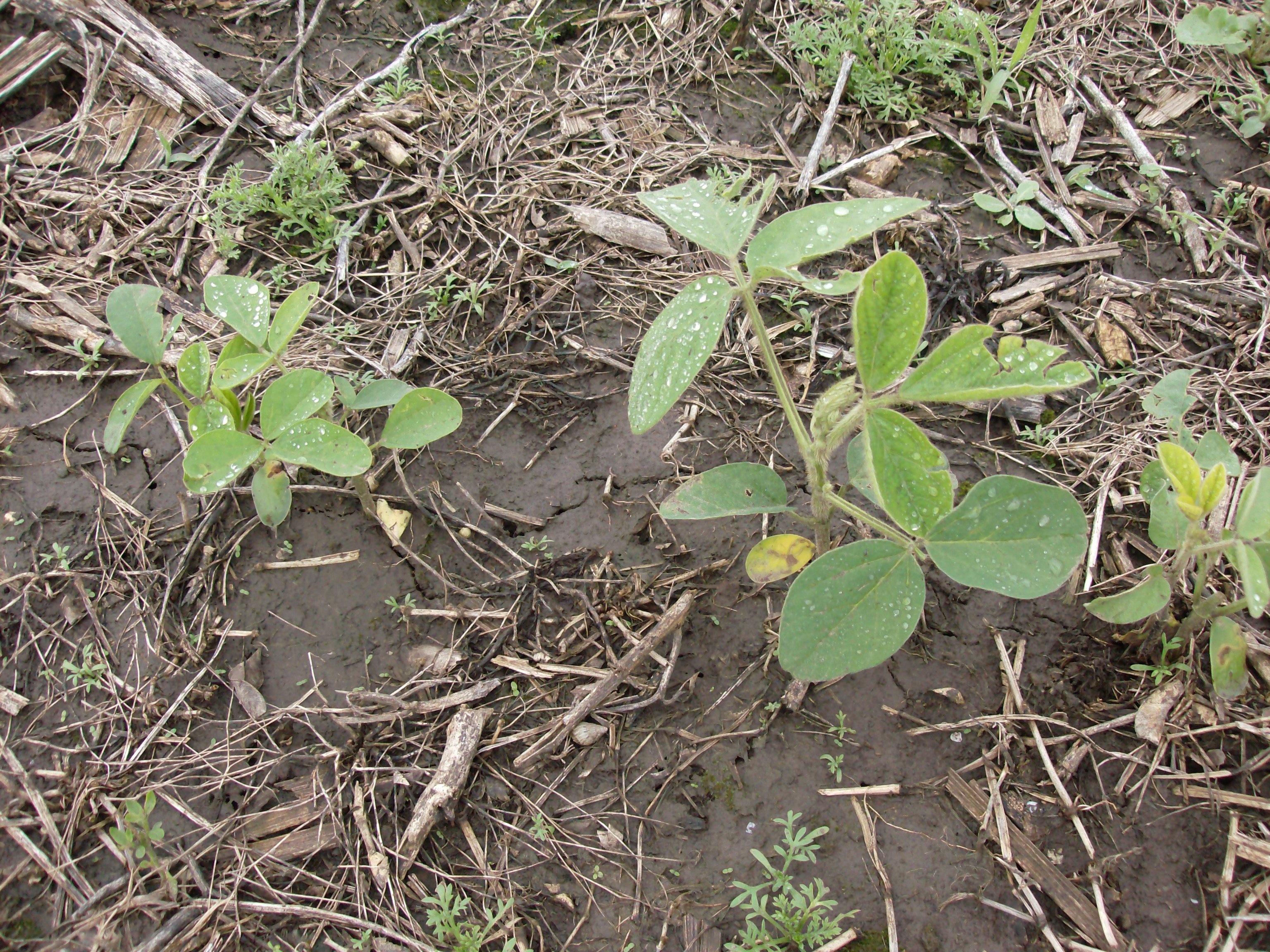
Seeds
In botany, a seed is a plant structure containing an embryo and stored nutrients in a protective coat called a testa. More generally, the term seed means anything that can be sown, which may include seed and husk or tuber. Seeds are the product of the ripened ovule, after the embryo sac is fertilized by sperm from pollen, forming a zygote. The embryo within a seed develops from the zygote and grows within the mother plant to a certain size before growth is halted.
From Wikipedia, licensed under CC BY-SA 4.0

Research Mentions
Beans, greens, and nuts may help strengthen aging bones
The leafy greens and legumes you might be growing in a raised bed this summer contain magnesium, ...
Plant-based diets can meet and exceed protein needs at every life stage
The beans, lentils, and sunflower seeds you're growing or buying aren't just a side dish, they're...