plant-based-nutrition
Plant-based nutrition encompasses dietary patterns centered on foods derived from plants, including vegetables, fruits, whole grains, legumes, nuts, and seeds, with minimal or no animal products. For plant scientists, this field drives research into the nutritional composition, bioavailability, and functional properties of plant-derived compounds, informing crop improvement efforts aimed at enhancing the health benefits of cultivated species. Understanding how plants synthesize proteins, essential fatty acids, vitamins, and phytonutrients is central to developing more nutritious and sustainable food crops.
open_in_new WikipediaAddressing Undernutrition in Older Adults with Plant-Based Products.
The beans, lentils, and peas you grow in your garden could be just as effective as meat at keepin...
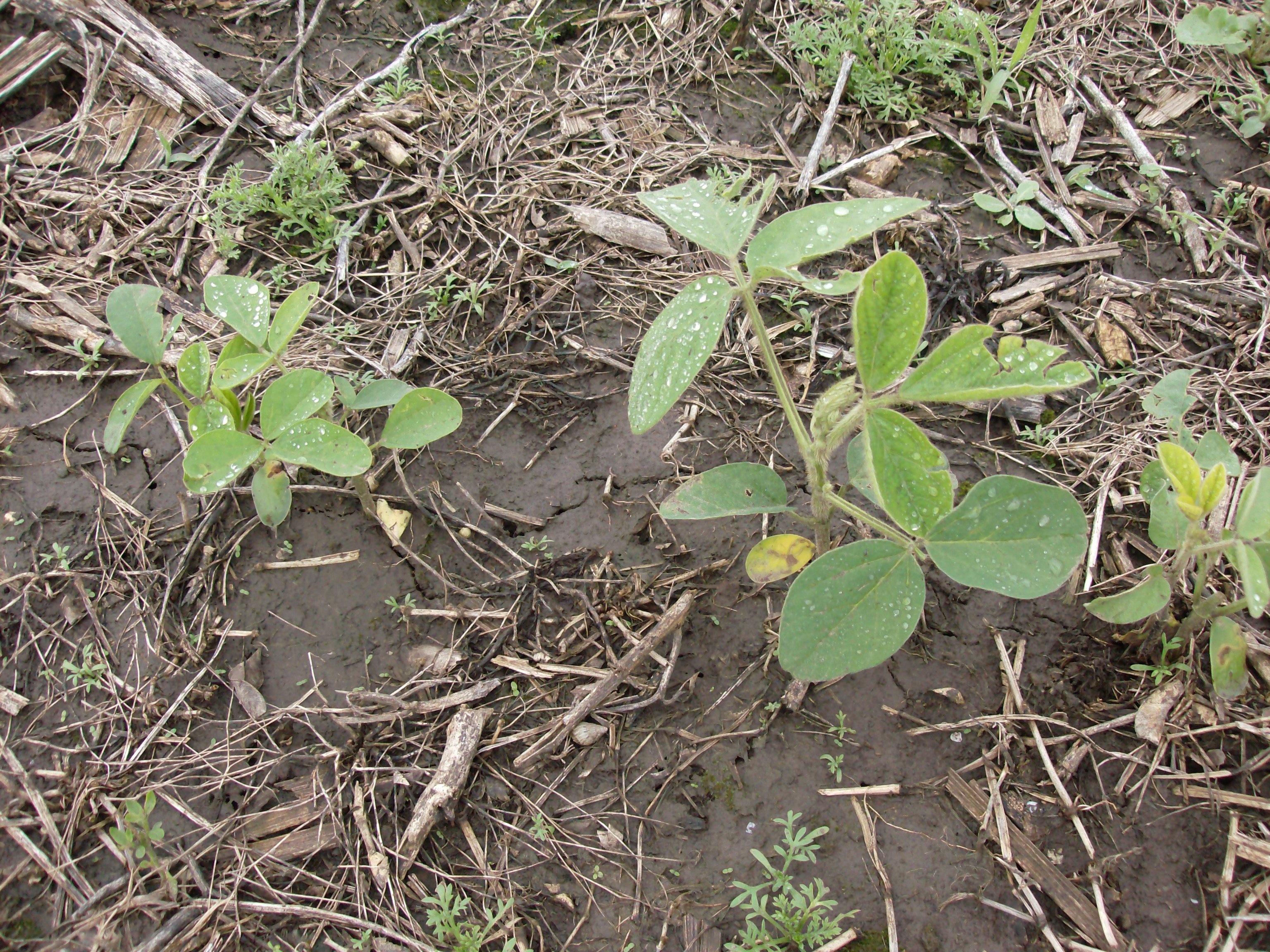
Plant-based diets can meet and exceed protein needs at every life stage
The beans, lentils, and sunflower seeds you're growing or buying aren't just a side dish, they're...


