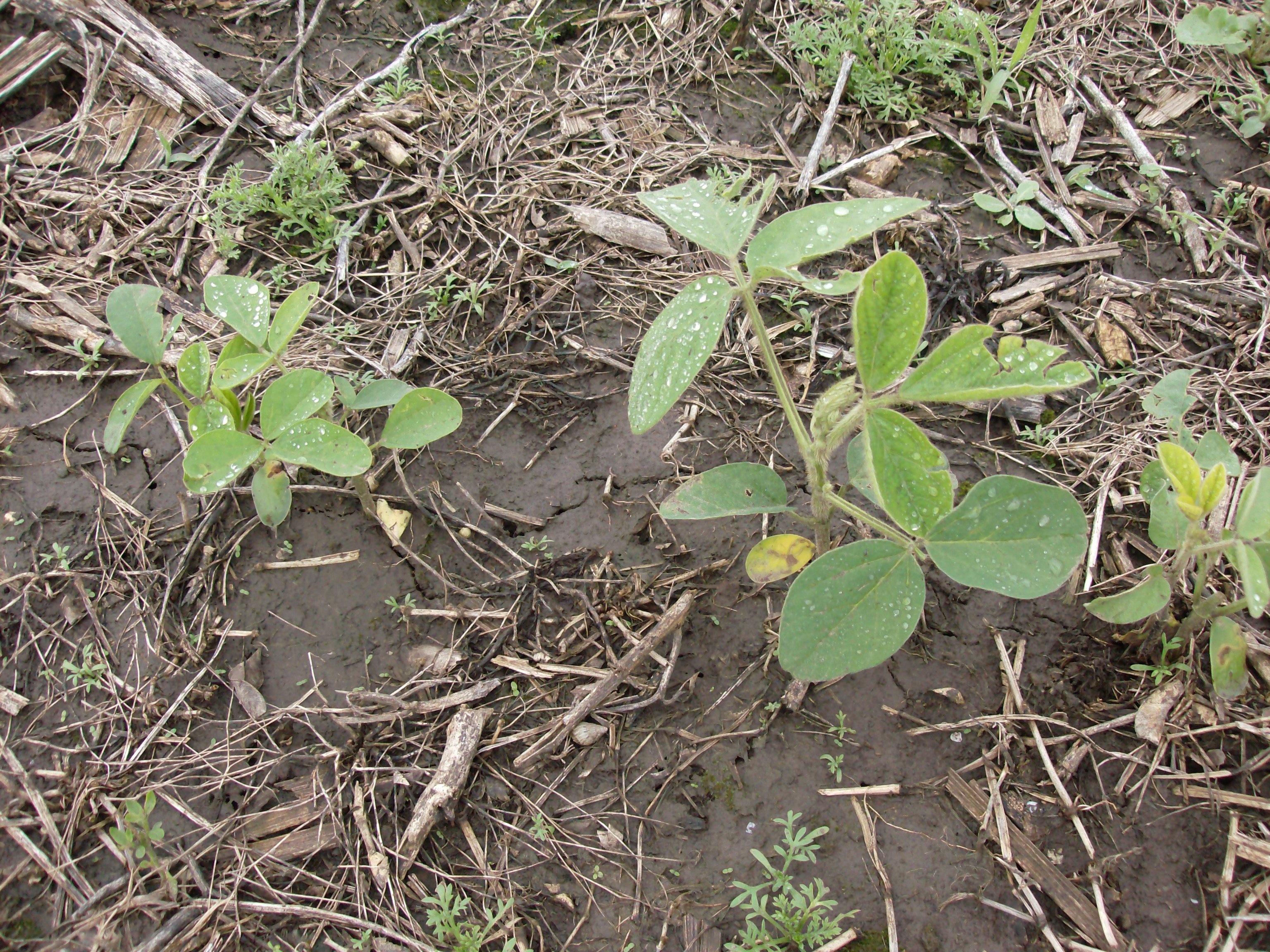
Pea
Also known as Peas, Garden Pea
Pea is a pulse or fodder crop, but the word often refers to the seed or sometimes the pod of this flowering plant species. Peas are eaten as a vegetable.
From Wikipedia, licensed under CC BY-SA 4.0

Research Mentions
CRISPR/Cas9-mediated knockout of PsLykX gene of pea (Pisum sativum ...
Understanding exactly how pea plants partner with soil bacteria to 'fix' their own nitrogen could...
Integrating metagenomics into legume breeding: A breeder-centered r...
The beans, lentils, and peas you grow or eat could become far more resilient to drought and poor ...
Plant-based meat alternatives: understanding the benefits and trade...
Plants in your grocery store's 'meat' aisle — soy, peas, wheat — are being engineered into ultra-...
Complete Genome of an Alkali-Resistant Rhizobium anhuiense Symbiont...
Growing peas in your garden could one day mean skipping the fertilizer bag entirely — bacteria li...
Unearthing Root Response Mechanisms to Soil Compaction in Legumes.
Compacted soil — caused by heavy farm equipment, foot traffic, or even heavy rain — is quietly re...
Toward microbiome-assisted remediation: Vanadium-titanium magnetite...
Vegetables you eat may be grown in soils where nearby mining has quietly changed the underground ...
Host-specific fluorescence dynamics in legume-rhizobium symbiosis d...
Bacteria living in legume roots do the invisible work of turning air into plant food, potentially...
Legume root bacteria mix and match genes to fit their plant partner
The peas, beans, and clover thriving in your garden without added fertilizer owe that trick to un...
Effect of copper and cultivation condition on the transport, metabo...
If you grow peas in containers or hydroponic setups, the growing medium matters far more than you...
Combined sulfur deficiency and water deficit trigger synergistic re...
Peas growing in your garden after a dry spring on sandy soil are quietly fighting on two fronts a...
How bean plants and soil bacteria survive climate stress together
The bean plants and peas in your vegetable bed rely on a hidden bargain with soil bacteria that t...
COCHLEATA controls spatial regulation of cytokinin and auxin during...
Every garden pea, lentil, or clover you grow feeds itself partly by partnering with soil bacteria...
Coordination of PTI and ETI in legume-rhizobium mutualism.
Every bean, pea, or clover you grow depends on underground bacteria that fertilize the soil for f...
A Rickettsiella transinfection in Rhopalosiphum padi reduces fitnes...
Barley yellow dwarf virus quietly devastates wheat and oat crops across millions of acres every y...
Gene editing gives disease-prone pulses a shortlist of pathogen-blo...
Chickpeas, lentils, and dry beans fail at alarming rates when fungal or bacterial disease sweeps ...
Scientists combine gene editing and fast breeding to toughen up legumes
The cowpea, common bean, or fava bean you grow in your garden could soon come in climate-tough va...
Cold plasma zaps help pea plants beat salty soil stress
If you garden near coastal areas or use tap water high in salts, this points to a non-chemical te...
Root chemicals let plants talk to soil microbes underground
The peas or clover in your garden are running a chemical negotiation underground, releasing compo...
Scientists say how long beans and peas bloom deserves far more study
The pole beans and peas in your garden keep setting flowers for weeks, and that long bloom window...
Aging treated water three days makes pea microgreens grow better
If you grow microgreens on a windowsill, this shows that how you prep your water, not just what's...
Scientists finally crack the code for editing pea genes
The peas in your garden or on your plate have been notoriously hard to genetically improve, but t...
Legume crops use their own unique genetic flowering clock
The dry beans, peas, and soybeans you grow or cook with flower on a schedule tuned by genes uniqu...
Plant protein powder didn't build muscle in older men
The pea and soy protein powders lining health-food store shelves as "muscle-friendly" plant alter...
A novel naringenin-loaded plant protein nanocomplex accelerates cor...
Two everyday plant foods — peas and citrus — are being turned into medicine, showing that the com...
How legume roots build tiny homes for nitrogen-making bacteria
The pea and bean plants in your vegetable bed grow those pinkish root nodules by running an inter...
Pollen shells treated with thyme and mint soak up dye pollution
If you've ever noticed dye runoff tinting a creek near a textile or craft dye operation, this poi...
Protein powder studies can't separate protein from exercise effects
If you're growing your own peas or soybeans for a plant-based protein boost, this review is a rem...