Protein powder studies can't separate protein from exercise effects
Dauphinee C, Lohnes O, Kebbe M
Food Forest
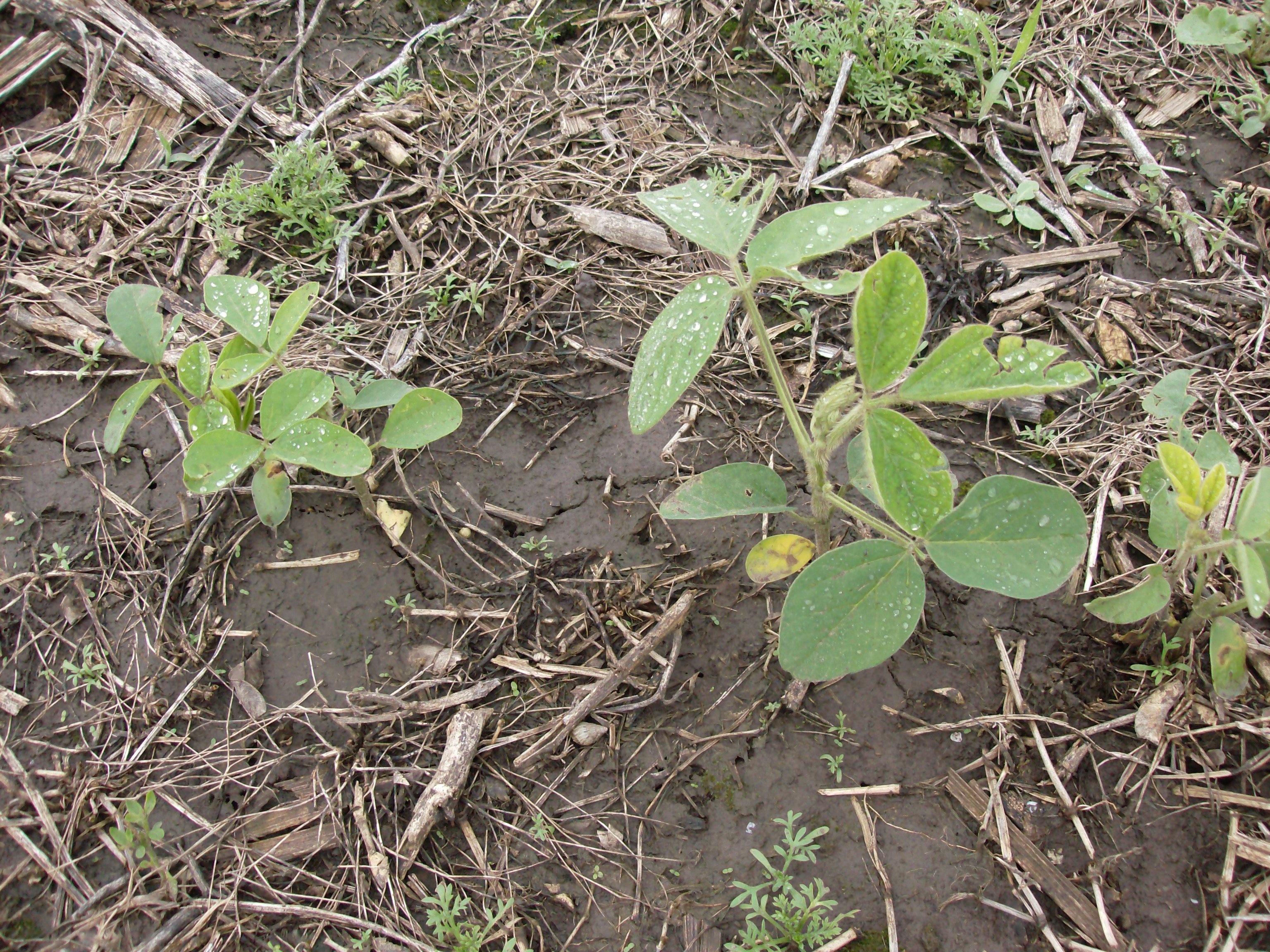
If you're growing your own peas or soybeans for a plant-based protein boost, this review is a reminder that isolated dried pea and soy protein don't yet have solid science behind gut health claims, so eating the whole vegetable still has the clearer track record.
Scientists looked at 14 studies testing protein powders made from whey, pea, soy, and casein to see how they affect the trillions of bacteria living in our gut. They found some changes, like pea protein reducing certain bacteria groups, but almost every study also had people exercising, dieting, or taking probiotics at the same time, so nobody can say for sure it was the protein doing the work.
Key Findings
14 studies reviewed covered whey (9 studies, 10-85 g/day), pea (3 studies, 7.3-25 g/day), soy (2 studies, 15-40 g/day), and casein (1 study)
Whey protein was linked to increases in Veillonellaceae, Bacteroides, and Bifidobacterium bacteria, while pea protein reduced Firmicutes and Bacteroidota
No consistent effects were found on gut barrier integrity or inflammation markers, and most studies combined protein with exercise, calorie restriction, or probiotics, making it hard to isolate protein's true effect
chevron_right Technical Summary
A review of 14 studies found that protein powders, whether from whey, pea, soy, or casein, cause small and inconsistent shifts in gut bacteria, but most studies mixed protein with other factors like exercise or diet changes, so it's hard to say what protein alone does.
Abstract Preview
Original paper
Protein supplementation and the gut microbiome, metabolites, integrity, and inflammation in human adults: A scoping review of current evidence and gaps.
This scoping review systematically evaluated the effects of protein supplements on the gut microbiome, metabolites, integrity, and inflammation. Studies investigating plant- or animal-based protein...
open_in_new Read full abstractAbstract copyright held by the original publisher.
Was this useful?
Want to tell us more? (optional)
Thanks for the note!
Something went wrong — please try again.
Too many submissions. Try again in an hour.
Targeted knockout of a host peroxisomal peptidase confers field resistance to...
The corn in your grocery store and the staple food keeping millions of East African families fed is under serious threat from a viral disease that can wipe o...

Pea is a pulse or fodder crop, but the word often refers to the seed or sometimes the pod of this flowering plant species. Peas are eaten as a vegetable.