sustainable-production
Sustainable production in plant science refers to agricultural and horticultural methods designed to maintain long-term productivity while minimizing environmental degradation and resource depletion. This is essential for plant science because it addresses the critical balance between meeting global food and material demands while preserving soil health, water systems, and biodiversity. Research in sustainable production develops techniques that optimize crop yield, reduce chemical inputs, and enhance plant resilience to environmental stress—ultimately supporting both human food security and ecosystem stability.
Microbes can now brew vanilla, mint, and citrus aromas sustainably
Vanilla, mint, and citrus flavors in your food — and the floral scents in your garden products — ...
Engineered Microbial Production of Sesquiterpenoids: Recent Advance...
Many of the aromatic plant compounds in your herbal remedies and essential oils are so scarce in ...
Development of Bacillus subtilis cell factories for nutraceuticals ...
Many of the supplements and functional foods on shelves—vitamins, antioxidants, and plant-derived...
Genetic modification of Clostridium kluyveri for heterologous n-but...
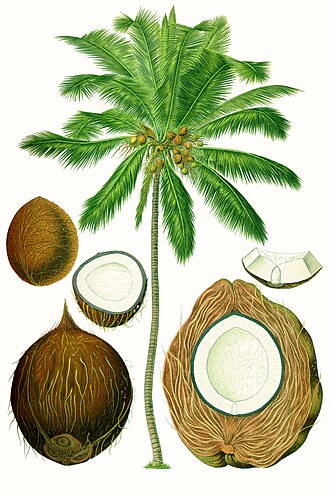
Every bottle of coconut-derived soap or lotion on your shelf currently comes at a cost to farmlan...