Land use refers to how humans manage and utilize parcels of land, encompassing activities ranging from agriculture and forestry to urban development and wetland management. For plant science, land-use patterns are critical because they directly determine which plant communities thrive, which are displaced, and how agricultural practices shape crop genetics, soil health, and ecosystem biodiversity. Understanding land-use change helps researchers assess threats to wild plant populations, evaluate the sustainability of cultivation systems, and develop strategies for conserving plant genetic resources amid shifting landscapes.
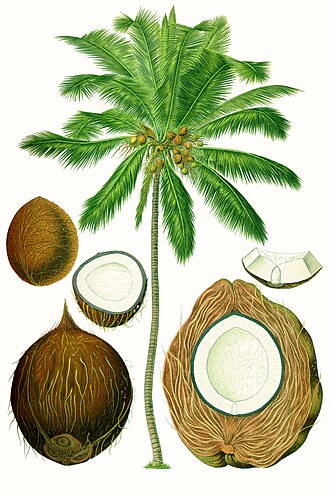
Researchers are genetically engineering mesophilic microbes to produce medium-chain carboxylates — ingredients used in cosmetics, pharmaceuticals, and fragrances — as a sustainable alternative to fossil-fuel-derived or plant-oil-based sources like coconut oil. This biotechnological approach could reduce greenhouse gas emissions and relieve pressure on agricultural land currently used to grow oil crops.
1
Medium-chain carboxylates are used across cosmetics, pharmaceuticals, and fragrances and have natural antimicrobial properties, making them high-value industrial targets.
2
Current production relies on fossil resources or plant-based fats (e.g., coconut oil), both of which carry significant environmental or land-use costs.
3
Microbial chain elongation — a biotech process using genetically modified microbes — is being explored as a carbon-neutral, land-neutral alternative production route.
mail
Weekly plant science — one email, Saturdays.
Check your inbox to confirm — link expires in 24 hours.
Something went wrong — please try again.
Too many signup attempts from your network. Try again in an hour, or email hello@plant.news.