Genetic modification of Clostridium kluyveri for heterologous n-butanol and n-hexanol production.
Schlaiß C, Baur ST, Marsh JW, Gemeinhardt K, Angenent LT
Sustainable Production
Every bottle of coconut-derived soap or lotion on your shelf currently comes at a cost to farmland that could be growing food — engineering microbes to make the same ingredients in a vat could free up that land for crops.
Certain useful chemicals found in everyday products like lotions and medicines are currently made either from burning fossil fuels or from plant oils like coconut oil. Both methods have downsides: fossil fuels warm the planet, and coconut farming takes up land that could grow food. Scientists are now tweaking the genes of bacteria to produce these same chemicals from organic waste, potentially removing the need for either approach.
Key Findings
Medium-chain carboxylates are used across cosmetics, pharmaceuticals, and fragrances and have natural antimicrobial properties, making them high-value industrial targets.
Current production relies on fossil resources or plant-based fats (e.g., coconut oil), both of which carry significant environmental or land-use costs.
Microbial chain elongation — a biotech process using genetically modified microbes — is being explored as a carbon-neutral, land-neutral alternative production route.
chevron_right Technical Summary
Researchers are genetically engineering mesophilic microbes to produce medium-chain carboxylates — ingredients used in cosmetics, pharmaceuticals, and fragrances — as a sustainable alternative to fossil-fuel-derived or plant-oil-based sources like coconut oil. This biotechnological approach could reduce greenhouse gas emissions and relieve pressure on agricultural land currently used to grow oil crops.
Abstract Preview
The mesophilic microbe Medium-chain carboxylates are required in various everyday products, including cosmetics, pharmaceuticals, and fragrances, and show a natural antimicrobial property. Further...
open_in_new Read full abstractAbstract copyright held by the original publisher.
Species Mentioned
Was this useful?
Want to tell us more? (optional)
Thanks for the note!
Something went wrong — please try again.
Too many submissions. Try again in an hour.
Targeted knockout of a host peroxisomal peptidase confers field resistance to...
The corn in your grocery store and the staple food keeping millions of East African families fed is under serious threat from a viral disease that can wipe o...
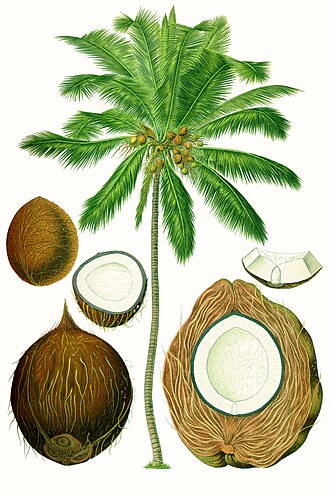
The coconut is a member of the palm family (Arecaceae) and the only living species of the genus Cocos. The term "coconut" can denote the whole coconut palm tree or the large hard fruit. Originally native to Central Indo-Pacific, they are ubiquitous in coastal tropical regions.