pest-management
Pest management is the strategic regulation of organisms that adversely affect plant health and agricultural productivity. This field is critical to plant science because pest damage significantly reduces crop yields and threatens food security, making effective management strategies essential for sustainable agriculture. Understanding pest ecology and developing integrated control approaches represents a fundamental research area that directly impacts agricultural resilience and plant health.
open_in_new Wikipedia
AI-empowered crop protection against insect-borne diseases.
Citrus on your grocery store shelf and the tomatoes in your garden are under constant threat from...

Metabolic trade-offs in sugar beet under drought and beet leaf mine...
The sugar beets and chard in your garden under a dry summer spell may quietly become a better mea...

Population dynamics of Drosophila suzukii across elevations in Wenc...
Cherry, raspberry, or blueberry growers: that ornamental honeysuckle or wild sour cherry growing ...
Conditionally essential: A testis-enriched heat shock protein from ...
Fall armyworm already chews through corn, sorghum, and vegetable gardens on every inhabited conti...
Can biological control involving predatory mites mitigate plant str...
Spider mites and other pest mites can silently devastate your tomatoes, strawberries, and housepl...

Symbiont dominance and microbiome dysbiosis in wheat-aphid revealed...
The bread on your table depends on wheat, and tiny aphids quietly hijack its microbial ecosystem ...

Morphology, biology and plant host damage comparison between Tetran...
If spider mites are shredding your rose bushes or pepper plants, the species doing the damage mat...

Rice summons pest-killing wasps by sniffing out which bug laid the eggs
Rice fields across Asia may already be running a chemical communication network that calls in all...

Mated moth antennae switch on one sensor to skip egg-laying sites
Peach orchards and corn plots across Asia are being bored apart by a moth whose larvae tunnel dir...
Two Ionotropic Receptor IR75q2 Paralogs Are Complementary in Percep...
Understanding exactly how insects 'smell' the chemicals plants release could lead to smarter, tar...
Cross-kingdom signaling manipulation by insect-associated microbial...
When aphids or caterpillars land on your garden beds, they may be traveling with microbial hitchh...

Utilization of non-chemical pest control practices among agro-pasto...
Ash scattered around garden beds, crop rotation, neem spray, and chili deterrents — techniques yo...
Pharmacological characterization and functional divergence of tyram...
Every cabbage, kale, and broccoli plant in your garden is a potential target for the diamondback ...
Genetic and pharmacological inhibition of the Kir2A channel in diam...
Diamondback moths have evolved resistance to nearly every pesticide used against them on cabbage,...
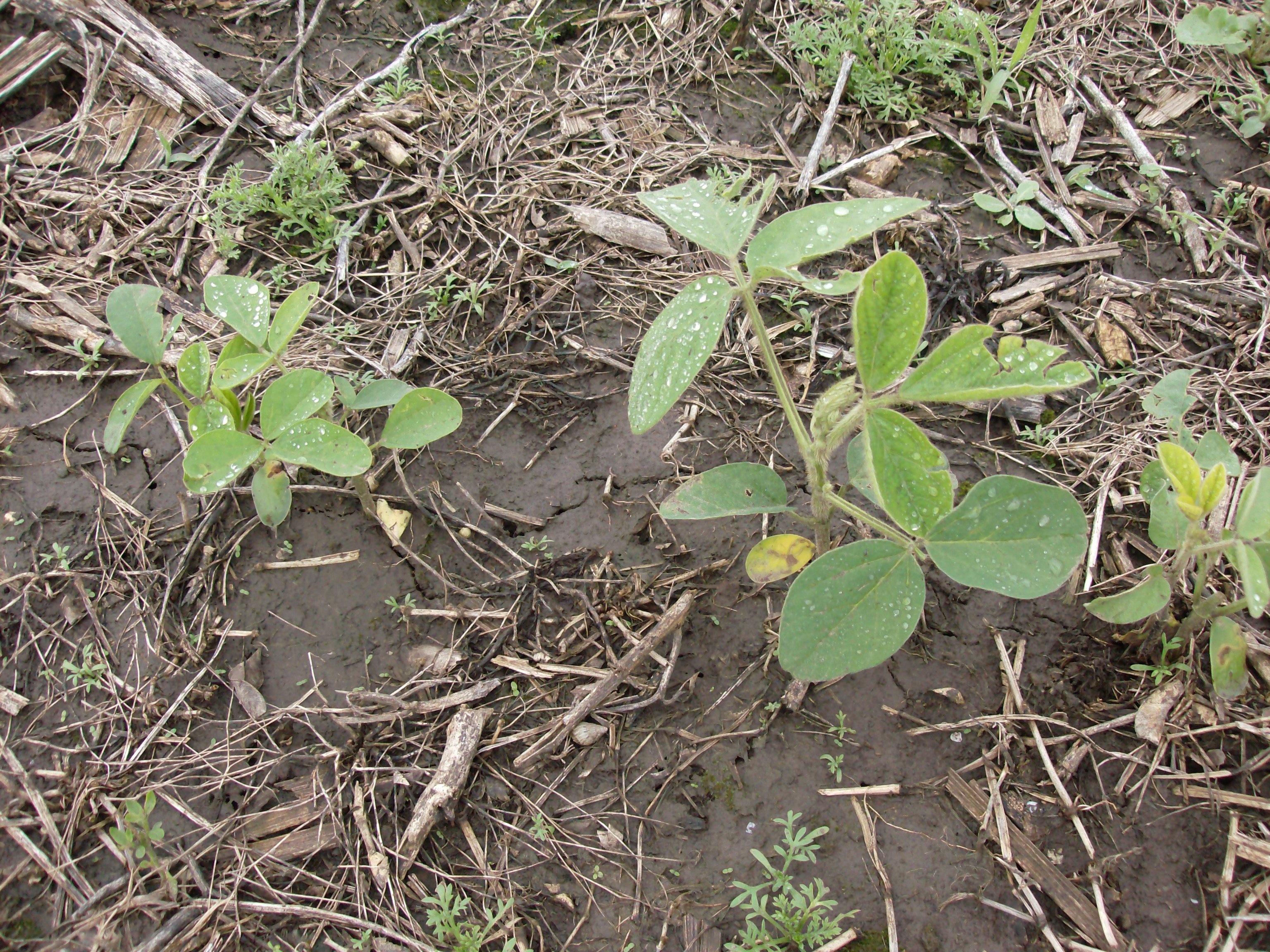
Soybean induced resistance to Spodoptera eridania herbivory.
Soybean fields that host naturally resistant varieties can fight back against armyworm caterpilla...

A Rickettsiella transinfection in Rhopalosiphum padi reduces fitnes...
Barley yellow dwarf virus quietly devastates wheat and oat crops across millions of acres every y...
Leveraging RNAi and CRISPR/Cas9-based strategies for target gene ch...
Western flower thrips can devastate a pepper, tomato, or flower garden almost invisibly, and they...

Mineral dusts protect stored pulses from beetle damage without chemicals
If you grow or store dried beans, lentils, or chickpeas at home, inert dusts like diatomaceous ea...
Aphids' old pesticide defenses secretly primed them for a new one
The aphids sucking sap off your roses, peppers, and potatoes are evolving resistance to pest spra...

Bt agave: why it is time to explore a new biotechnological frontier.
Agave planted in xeric gardens and dryland restoration sites faces the same insect pest pressure ...

How generalist caterpillars neutralize plant toxins that picky rela...
Parsnip, celery, parsley, and carrot leaves make furanocoumarins as a defense, and this study sho...
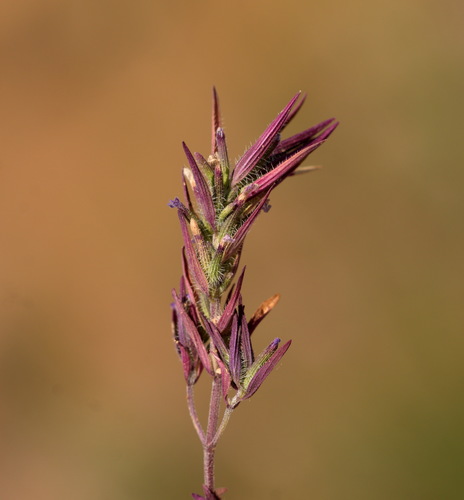
Wild thyme extract kills stored-grain beetles, no pesticides needed
The thyme growing in your herb bed isn't just for the kitchen: compounds in its leaves can kill a...
Gut microbiota communities and their multifaceted roles in immune d...
Fire ants tunnel through garden beds, damage plant roots, kill ground-nesting pollinators, and ha...
Plant viruses trick both crops and insects to spread
The leafhoppers and planthoppers you spot on garden vegetables can carry viruses that reprogram t...

Citrus oil boosts radiation's power against grain-eating pests
The dried beans, rice, or flour in your pantry are protected from bugs somewhere along the supply...
Stored-grain pesticides fade fast and pests breed anyway
If you store seed, grain, or dried goods at home, this explains why a one-time spray on a wooden ...
New math model tracks how bugs spread through grain bins
The bread on your table starts as wheat sitting in silos for months, and predicting exactly where...


