Microbiome modulation refers to the deliberate manipulation of microbial communities — bacteria, fungi, and other microorganisms — that live in and around plant tissues, particularly in the rhizosphere and phyllosphere. Understanding how to shape these microbial ecosystems is increasingly important in plant science because the microbiome profoundly influences plant growth, stress tolerance, disease resistance, and the production of bioactive compounds. Researchers are exploring how targeted microbiome interventions can enhance crop resilience and optimize the biosynthesis of medicinally valuable plant metabolites.
A structured review of 10 years of research finds that medicinal plants — through their polyphenols, flavonoids, and other compounds — actively reshape gut bacterial communities in ways that may reduce inflammation and improve metabolic health in chronic diseases like diabetes, heart disease, and inflammatory bowel disease.
1
Plant phytochemicals (polyphenols, flavonoids, alkaloids, saponins) reach the colon intact and interact bidirectionally with gut microbes, serving simultaneously as microbiome modulators and substrates for bacterial biotransformation into bioactive metabolites.
2
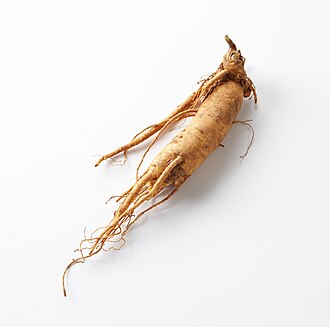
Medicinal plant compounds — including curcumin from turmeric, ginsenosides from ginseng, and catechins from green tea — promote enrichment of beneficial gut taxa and increase production of short-chain fatty acids (SCFAs), key regulators of immune and metabolic signaling.
3
Major translational barriers persist: botanical heterogeneity, dose and formulation variability, and inconsistent microbiome endpoint standardization across studies limit clinical translation and prevent definitive therapeutic recommendations.
mail
Weekly plant science — one email, Saturdays.
Check your inbox to confirm — link expires in 24 hours.
Something went wrong — please try again.
Too many signup attempts from your network. Try again in an hour, or email hello@plant.news.