iron-nutrition
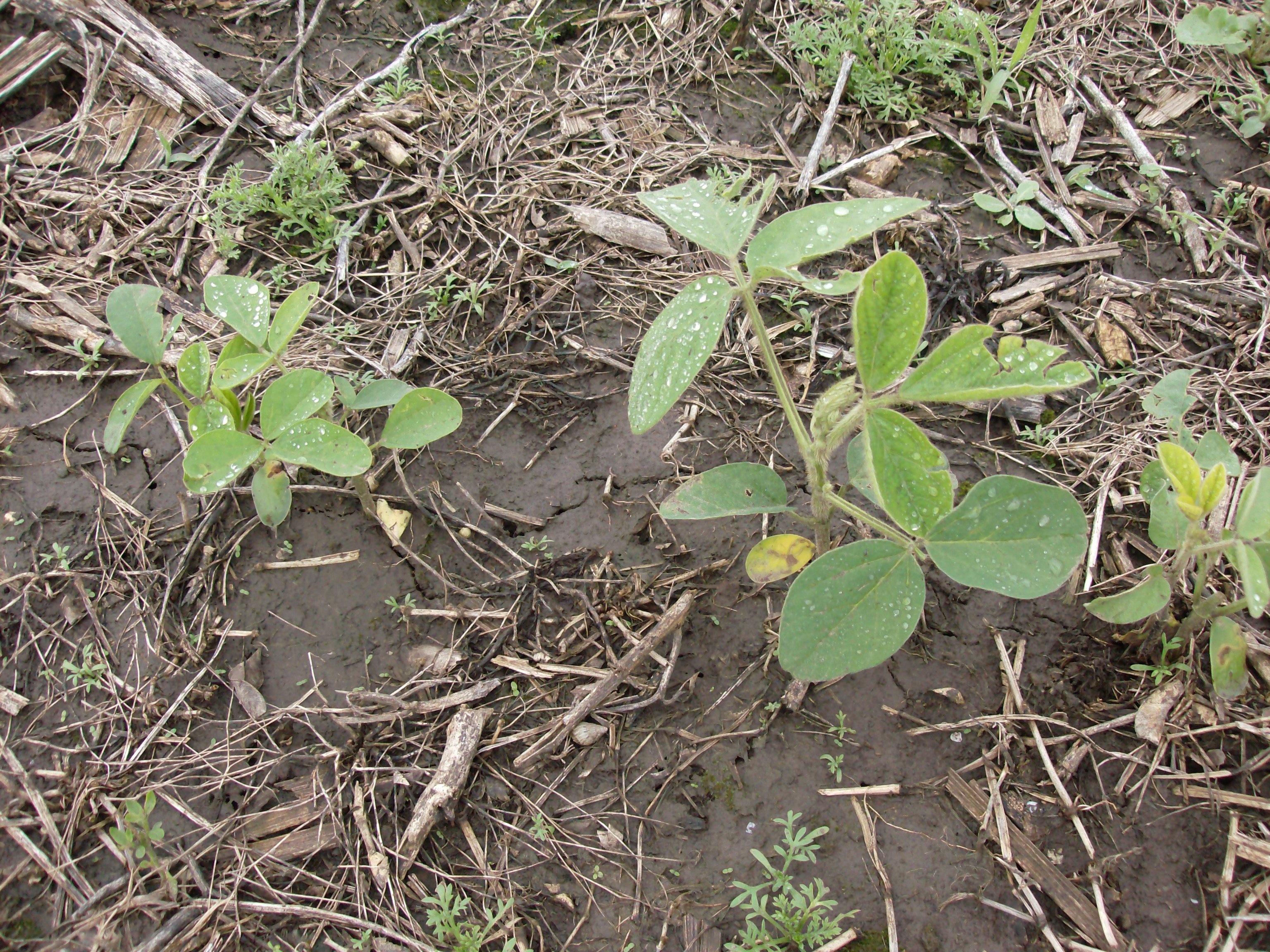
Iron nutrition refers to the processes by which plants acquire, transport, and utilize iron, an essential micronutrient required for chlorophyll synthesis, electron transport, and enzymatic function. Despite iron's abundance in soil, it is often present in forms unavailable for plant uptake, making iron deficiency a widespread agricultural problem that leads to chlorosis and reduced crop yields. Understanding the molecular mechanisms of iron sensing, uptake strategies, and homeostasis is central to developing crops with improved nutritional efficiency and stress tolerance.

Rhizosphere microbiome influences fruit quality in citrus.
If you grow citrus in containers or garden beds, the invisible community of bacteria clinging to ...
Sulfide-Infused FeS-Palygorskite Nanohybrid with Redox-Modulating P...
Iron-deficient alkaline soils cover vast stretches of farmland worldwide, and this discovery coul...

Overcoming redundancy in the Arabidopsis TREHALOSE-6-PHOSPHATE PHOS...
When your tomatoes or fruit trees branch poorly or show yellowing leaves despite fertilizing, the...

