Sulfide-Infused FeS-Palygorskite Nanohybrid with Redox-Modulating Properties Improves Iron Assimilation and Physiological-Biochemical Performance in Soybean.
Rathour K, Sidhu A, Sharma V, Kalia A
Crop Improvement
Iron-deficient alkaline soils cover vast stretches of farmland worldwide, and this discovery could mean healthier, more productive soybean crops — directly affecting the availability and price of foods like tofu, soy milk, and edamame.
Plants need iron to grow, but in chalky or alkaline soils iron gets 'locked up' and roots can't absorb it. Scientists created a tiny particle made from iron, sulfur, and a natural clay that slowly releases iron in a form plants can actually use. When soybeans were treated with this material, they grew better, stayed greener, and produced more robust roots than untreated plants.
Key Findings
The FeS-palygorskite nanohybrid significantly improved iron uptake and chlorophyll content in soybean plants grown in alkaline soil conditions
Treated soybeans showed enhanced antioxidant enzyme activity, indicating reduced oxidative stress and improved physiological performance
The nanohybrid's redox-modulating properties allowed controlled iron release, making iron more bioavailable compared to conventional iron fertilizers
chevron_right Technical Summary
Researchers developed a new iron-releasing nanomaterial made from iron sulfide and a natural clay mineral that helps soybeans absorb iron more effectively in alkaline soils, boosting plant growth and health.
Abstract Preview
Iron (Fe) deficiency in alkaline soils severely constrains crop productivity, threatening global food security and resilience. This study reports the synthesis of an iron sulfide-palygorskite nanoh...
open_in_new Read full abstractAbstract copyright held by the original publisher.
Species Mentioned
Was this useful?
Want to tell us more? (optional)
Thanks for the note!
Something went wrong — please try again.
Too many submissions. Try again in an hour.
Targeted knockout of a host peroxisomal peptidase confers field resistance to...
The corn in your grocery store and the staple food keeping millions of East African families fed is under serious threat from a viral disease that can wipe o...
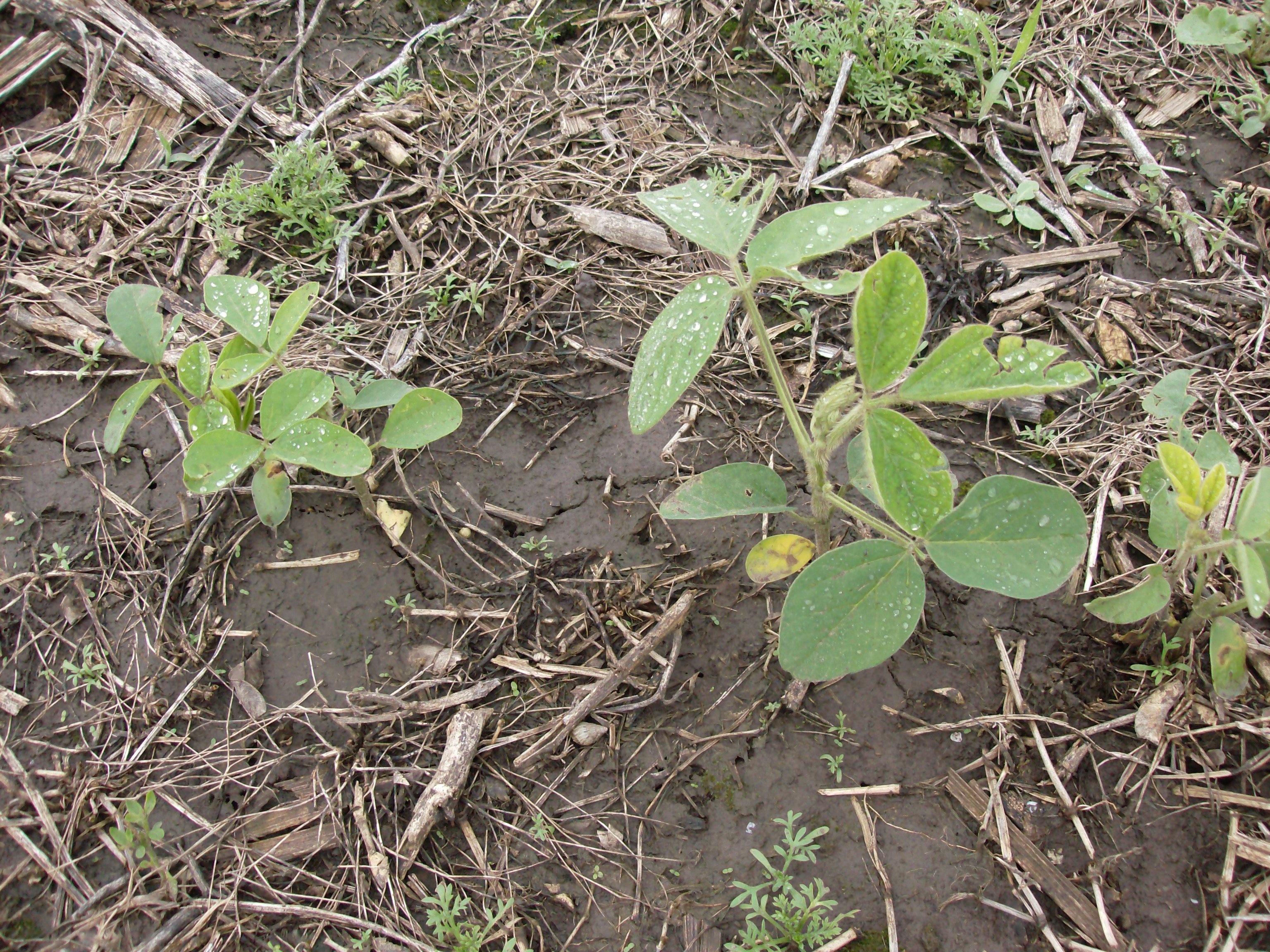
The soybean, soy bean, or soya bean is a species of legume native to East Asia, widely grown for its edible bean. Soy is a staple crop, the world's most grown legume, and an important animal feed.