heavy-metal-tolerance
Heavy-metal tolerance refers to the ability of certain plants to withstand and often accumulate elevated concentrations of toxic metals such as zinc, cadmium, and lead in their tissues without suffering significant growth impairment. This trait is of major interest in plant science because it underlies the phenomenon of hyperaccumulation, offering insights into specialized transport proteins, chelation mechanisms, and cellular detoxification pathways. Understanding the genetic and physiological basis of heavy-metal tolerance has practical applications in phytoremediation, where plants are used to extract or stabilize metal contaminants from polluted soils.

Cytoplasmic and mitochondrial citrate synthases mediate cadmium det...
Cadmium from industrial pollution and some fertilizers quietly accumulates in rice and wheat grow...

Combined physiological, transcriptomic, and metabolomic analyses re...
Lead-contaminated wetlands and waterways border parks, neighborhoods, and farms worldwide, and un...
Identifying microbial candidates for assisted phytoremediation thro...
Millions of acres of old mining land sit barren and leaching toxic metals into nearby waterways —...
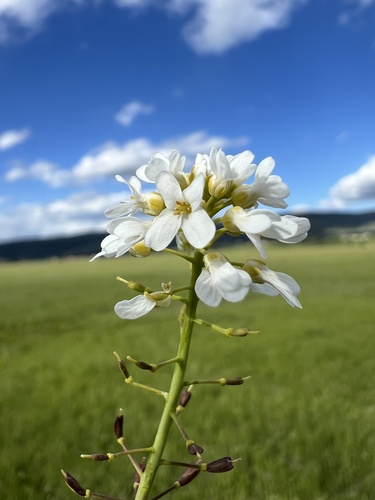
Microbial functional traits in the hyperaccumulating Noccaea praeco...
Understanding how certain plants recruit helpful soil microbes to survive in polluted ground coul...

Evaluating the phytoremediation capacity of Verbesina encelioides t...
Vacant lots, old industrial sites, and roadsides near your neighborhood may harbor invisible lead...
Inoculation with cadmium/lead-tolerant bacteria enhances phytoremed...
If your garden sits on land with industrial or old-paint history, pairing the right soil microbes...
Decoding heavy metal tolerance in rice: Nucleic acid-based technolo...
Rice paddies grown in soils with even trace heavy metal pollution quietly concentrate cadmium and...

Lead remediation capabilities of three shrub willow clones and the ...
If you live near a busy road or old industrial site, shrub willows planted along the boundary cou...

Water lettuce survives heavy metal pollution and could clean contam...
That floating rosette plant colonizing neglected ponds isn't just a pretty weed — it may be one o...

Isolation and characterization of metal resistant plant growth prom...
Contaminated lots near urban industrial zones — the weedy patches most people walk past without a...

Highly cadmium and chromium tolerant rhizosphere bacteria of Albizi...
Soil near old industrial sites, roadsides, and urban fill often carries invisible heavy metal con...

Chromium tolerance mechanisms in Cosmos sulphureus: antioxidant def...
That cheerful orange cosmos growing in a disturbed roadside or remediation garden isn't just pret...

Phytomicrobiome of Helianthus annuus: in vitro assessment of plant ...
Sunflowers planted to clean up a contaminated lot already carry hidden bacterial allies inside th...

Genome-Wide and Transcriptomic Analyses Reveal That HcERF37 Activat...
Cadmium quietly builds up in garden soils from phosphate fertilizers and industrial dust, then mo...

Transcriptomic insights into nitrogen-regulated cadmium absorption ...
That humble mat of tiny floating plants covering your local pond could be engineered into a livin...

CRISPR/Cas9-mediated knockout of ZmHMA3 reveals its essential role ...
Corn fields on former industrial sites or heavily fertilized soils can quietly accumulate toxic z...

Poplar trees use a protein switch to safely store cadmium in contam...
Poplar trees planted along old industrial corridors and contaminated lots could be doing far more...

Iris × germanica L. and Nephrolepis exaltata (L.) Schott, two novel...
That bearded iris standing tall in your neighbor's garden border may soon be planted in rows alon...

Ferns at a polluted mine shape their own soil microbes to manage to...
Contaminated brownfields and mine-scarred landscapes near hiking trails or green spaces could one...

Integrative transcriptomic and metabolomic analysis reveals the mec...
Fields near old industrial sites, roadsides, and heavily fertilized farms often carry hidden cadm...

Integrative physiological and metabolomic study of Hirschfeldia inc...
That scrubby mustard colonizing the gravel shoulder of a brownfield or the edge of an old rail ya...
[Advances in stress response mechanisms and wastewater treatment ap...
Cadmium from factories contaminates waterways and soils where your food is grown, and these bacte...
Species in Topic
Rice
Corn (maize)
 Arabidopsis
Poplar
Sunflower
Alfalfa
Common Reed
Duckweed
Water Lettuce
Arabidopsis
Poplar
Sunflower
Alfalfa
Common Reed
Duckweed
Water Lettuce
 Flax
Bermuda Grass
Flax
Bermuda Grass
 Giant Duckweed
Kenaf
Brake fern
eco
Alpine pennycress
Giant Duckweed
Kenaf
Brake fern
eco
Alpine pennycress
 Bearded Iris
Boston Fern
Bearded Iris
Boston Fern
 Cosmos
 Dappled Willow
Golden Crownbeard
Hoary Mustard
Dappled Willow
Golden Crownbeard
Hoary Mustard
 Mimosa Tree
eco
Noccaea praecox
Pteris fern
eco
Sheepgrass
Shortpod Mustard
Shrub Willow
Silk Tree
Sulfur Cosmos
Mimosa Tree
eco
Noccaea praecox
Pteris fern
eco
Sheepgrass
Shortpod Mustard
Shrub Willow
Silk Tree
Sulfur Cosmos