plant-microbe-interactions
Plant-microbe interactions encompass the complex relationships between plants and the diverse communities of bacteria, fungi, and other microorganisms that colonize their roots, leaves, and internal tissues. These interactions range from mutualistic partnerships—such as nitrogen-fixing bacteria and mycorrhizal fungi that enhance nutrient uptake—to pathogenic associations that trigger plant immune responses. Understanding these dynamics is central to plant science, as they influence plant growth, stress tolerance, and ecosystem function, with direct implications for sustainable agriculture and crop protection.

PagMYB74 orchestrates flavonoid-mediated plant-microbe feedback for...
Poplar trees lining your streets or growing along riverbanks are quietly directing underground ba...
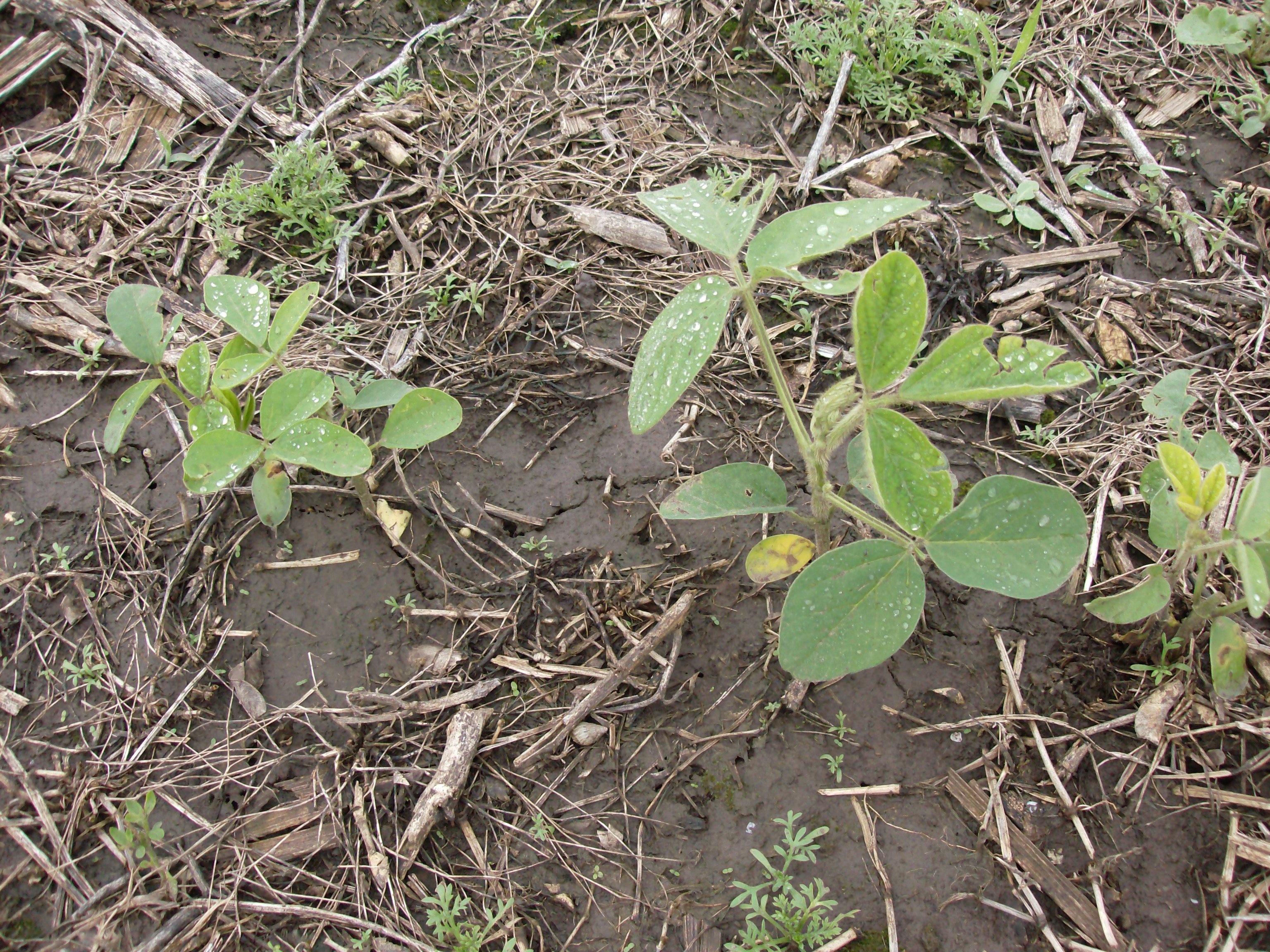
Interpretable multi-omics machine learning reveals drought-driven s...
Understanding exactly which soil microbes and plant compounds team up to fight drought could lead...
When "biodegradable" is not benign: Microplastic-driven disruption ...
The 'biodegradable' mulch films and compostable bags you use in your garden may be leaving behind...
Beyond survival: Can we engineer plants to thrive in and remediate ...
Food grown in soil near nuclear accident sites or uranium mines can carry radioactive particles i...
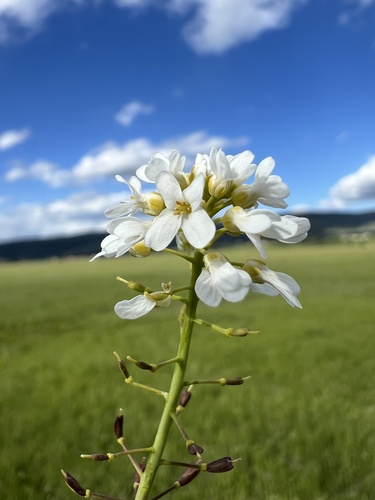
Microbial functional traits in the hyperaccumulating Noccaea praeco...
Understanding how certain plants recruit helpful soil microbes to survive in polluted ground coul...

Arbuscular mycorrhiza provides postanthesis benefits to maximize wh...
The wheat flour in your pantry could one day come from crops that need less synthetic fertilizer ...

Stage-specific rhizosphere microbial succession is associated with ...
Desert plants thriving in nearly lifeless soil without fertilizer are doing it by cultivating pre...
Observing the invisible: X-ray CT for plant-microbe interactions.
Every shovelful of garden soil you turn is a landscape of tunnels, pores, and root highways that ...
Engineering crop partnerships with soil bacteria could replace chem...
The clover in your lawn survives nitrogen-poor soil by hosting bacteria in its roots that pull ni...

Root bacteria each play a different role when living on corn
The soil microbes around your garden plant roots aren't interchangeable: one species may unlock p...