Mulberry
Morus, a genus of flowering plants in the family Moraceae, consists of 19 species of deciduous trees commonly known as mulberries, growing wild and under cultivation in many temperate world regions. Generally, the genus has 64 subordinate taxa, though the three most common are referred to as white, red, and black, originating from the color of their dormant buds and not necessarily the fruit color, with numerous cultivars and some taxa currently unchecked and awaiting taxonomic scrutiny. M. alba is native to South Asia, but is widely distributed across Europe, Southern Africa, South America, and North America. M. alba is also the species most preferred by the silkworm. It is regarded as an invasive species in Brazil, the United States and some states of Australia.
From Wikipedia, licensed under CC BY-SA 4.0

Research Mentions
Intercropping with Morus alba L. affects Cd accumulation in maize v...
Mulberry trees planted alongside food crops in contaminated garden soil can act as a living filte...
Mulberry polyphenols (ABRU) promote bone formation and alleviate bo...
Mulberries growing in your backyard or at the farmers market may contain compounds that rival pha...
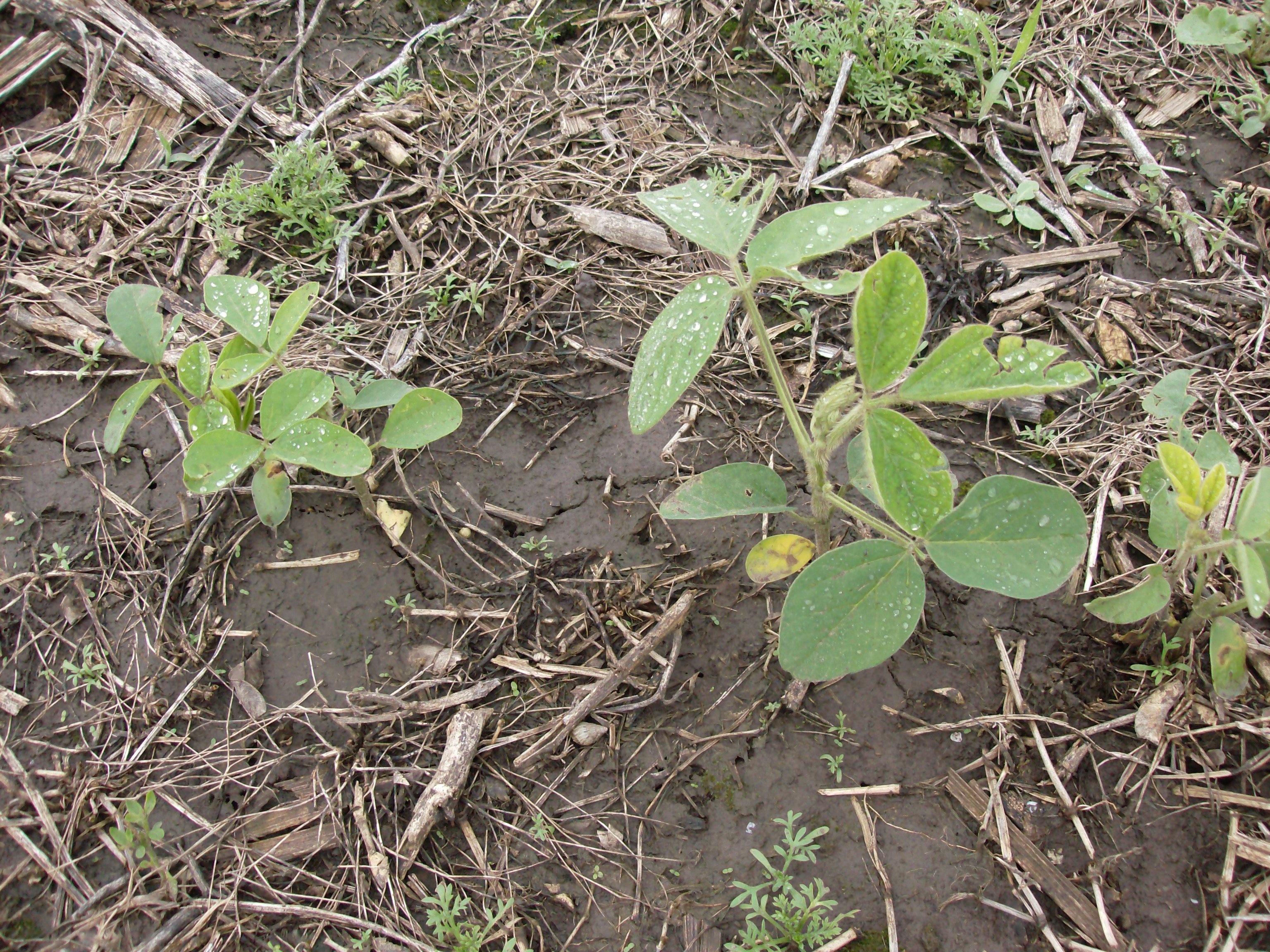
Soybeans grow better nodules when planted next to mulberry trees
If you've ever wondered whether pairing a fruit tree with vegetables actually helps or just compe...
Genome-wide identification and functional characterization of Isope...
Mulberry trees feed silkworms, anchor soil, and increasingly show up in edible landscaping — know...
Plant hormone spray helps mulberry trees detoxify manganese-poisoned soil
If you garden near old mining sites, industrial land, or naturally metal-rich soil, this points t...
Mulberry trees absorb 'forever chemicals,' harming silkworms that e...
If you grow mulberry or raise silkworms, the roots of these trees act like sponges for industrial...
Metformin-phytochemical combination therapy in metabolic dysfunctio...
Milk thistle growing along your fence or in a sunny patch of disturbed soil has been producing si...
Smarter leaf-scanning AI spots mulberry diseases in field photos quickly
Mulberry leaves feed silkworms, and a backyard mulberry tree can pick up the same leaf spots and ...