Lentil
Also known as lentils
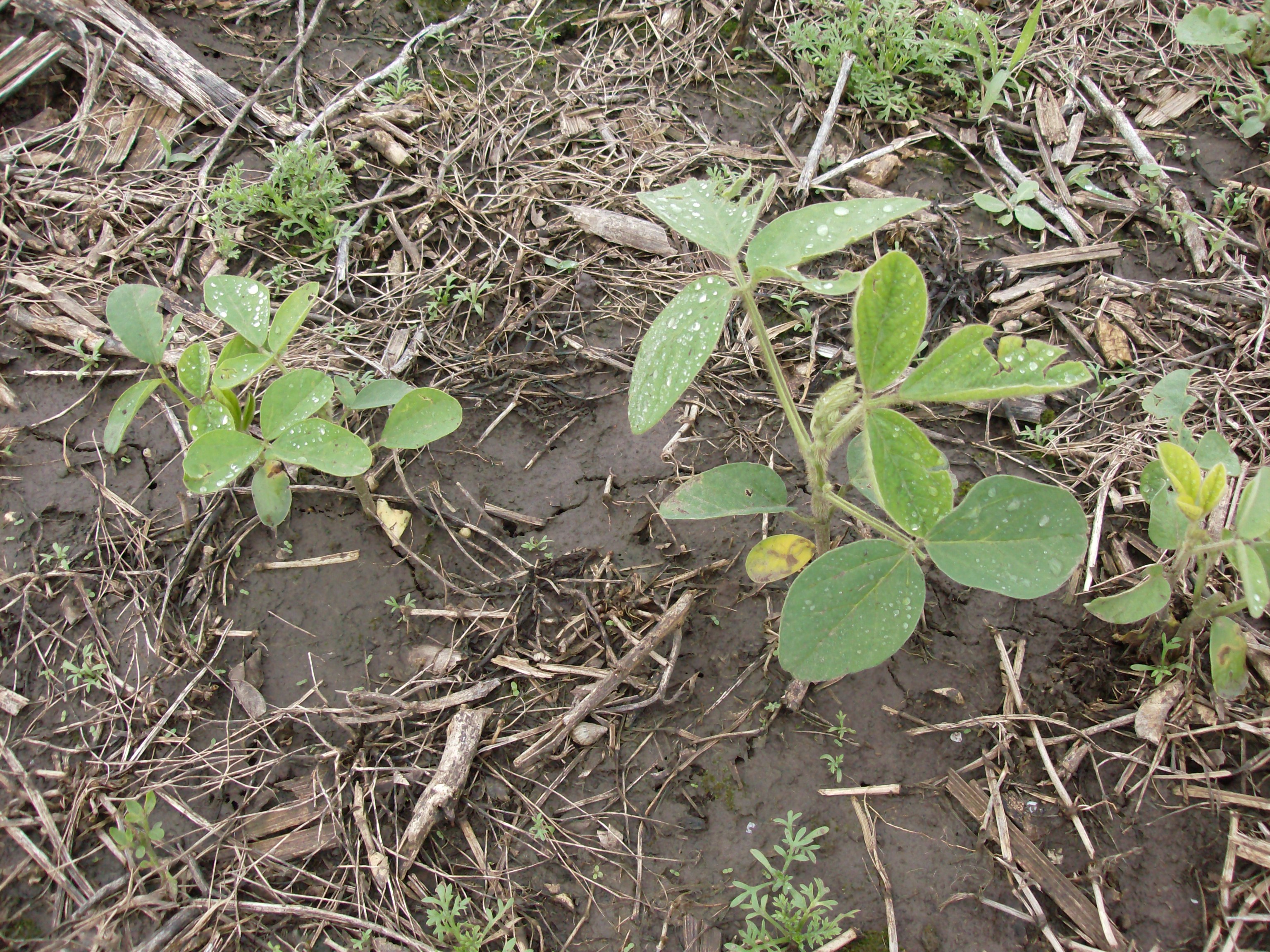
The lentil is an annual legume grown for its lens-shaped edible seeds or pulses, also called lentils. It is about 40 cm (16 in) tall, and the seeds grow in pods, usually with two seeds in each.
From Wikipedia, licensed under CC BY-SA 4.0

Research Mentions
Integrating metagenomics into legume breeding: A breeder-centered r...
The beans, lentils, and peas you grow or eat could become far more resilient to drought and poor ...
Unearthing Root Response Mechanisms to Soil Compaction in Legumes.
Compacted soil — caused by heavy farm equipment, foot traffic, or even heavy rain — is quietly re...
Colonization and spatiotemporal distribution of bruchid pests in le...
If you grow fava beans or lentils in your garden, the tiny weevil that tunnels into your harvest ...
Gene editing gives disease-prone pulses a shortlist of pathogen-blo...
Chickpeas, lentils, and dry beans fail at alarming rates when fungal or bacterial disease sweeps ...
Association of Qualitative Characters With Agronomic Traits, and Th...
If you grow lentils, the fuzziness of the leaves and the color of the seeds are not just decorati...
Lentil starch structure decides which gut bacteria get fed
The lentils in your soup pot carry hidden starch structures that act like different keys for diff...
Scientists say how long beans and peas bloom deserves far more study
The pole beans and peas in your garden keep setting flowers for weeks, and that long bloom window...
Lentils fight drought and salty soil using shared protein defenses
If you've ever tried growing legumes in a yard with salty or poorly draining soil, this research ...
Lentil protein fragments make fat-free yogurt feel creamy again
The lentils in your pantry or garden bed could become the key ingredient that makes skim-milk yog...