soil-contamination-and-remediation
Soil contamination and remediation is the study of how toxic substances — including heavy metals, pesticides, and industrial pollutants — accumulate in soil and the strategies used to reduce or eliminate their harmful effects. For plant scientists, this field is central to understanding how plants tolerate, absorb, or are damaged by contaminants, and how certain species can be harnessed through phytoremediation to detoxify polluted soils. Research in this area informs both crop protection in agricultural settings and the engineering of plants with enhanced capacity to clean contaminated environments.
Mechanisms of PFAS uptake and bioaccumulation in plants.
Vegetables and fruits grown in PFAS-contaminated soil — including produce from farms near industr...

Genomic and functional insights on Priestia megaterium MOD5IV: Enha...
Heavy metals from mining and industry contaminate soils worldwide, and this naturally-occurring b...
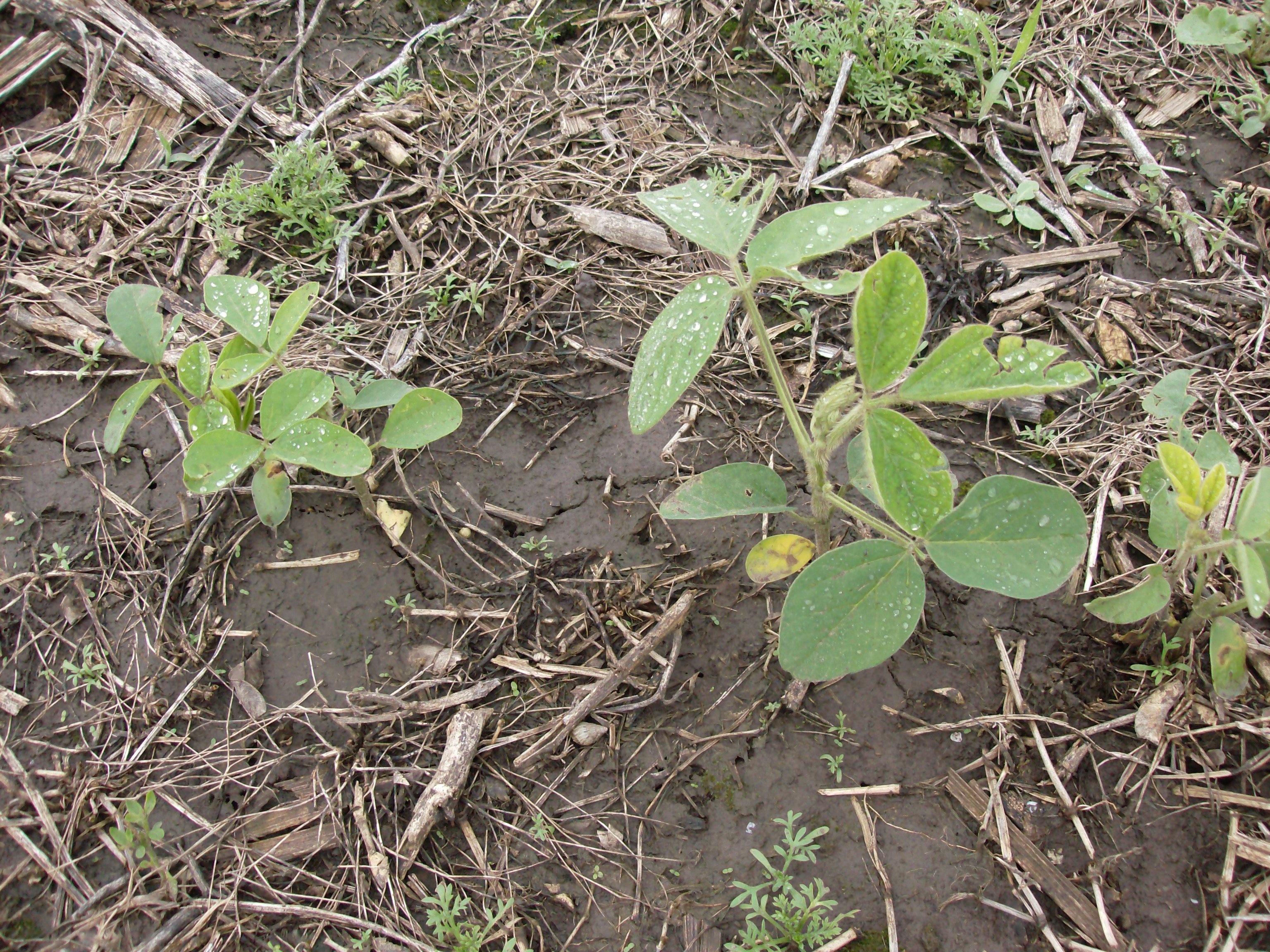
GmMYB84, a transcription factor, confers cadmium tolerance in soybe...
Cadmium — a toxic heavy metal from industrial pollution and some phosphate fertilizers — silently...

Tripartite regulation and elemental crosstalk in Phyllostachys edul...
Contaminated soil near old industrial sites, mines, or agricultural land affects the safety of fo...

Biochar: Acinetobacter driven rhizoremediation of arsenic contamina...
Arsenic naturally contaminates soils in many regions and can silently enter leafy vegetables like...

Foliar application of citric acid alleviates lead toxicity and enha...
If citric acid — a cheap, food-safe compound — can protect vegetables grown in lead-contaminated ...
Scientists find microbes that can detect and eat common plastics
Microplastics are now found in garden soil, tap water, and the vegetables you eat — and understan...
Genetic engineering to improve resistance against heavy metal stres...
Heavy metals from urban runoff and industrial pollution silently accumulate in the soil and water...
Cometabolic defluorination of two poly-fluoroalkyl substances by a ...
PFAS chemicals from industrial pollution and treated sewage sludge used as fertilizer have contam...
Shelf fungi enzymes grip and neutralize a common hormone-disrupting...
4-nonylphenol washes off your clothes, dishes, and garden pesticides into waterways, where it qui...
Exploring Periphytic Biofilms as Nature's Cleanup Crew for Contamin...
Rivers and streams that feed your garden hose, your local park's pond, and your drinking water su...
Catabolism of acetosyringone and co-metabolic transformation of 2,4...
Microbes living in your garden soil are constantly breaking down dead plant material, and underst...
Revealing the anaerobic biodegradation pathway and mechanism of sul...
Antibiotic residues from farms and wastewater contaminate garden soil and the food you grow in it...
Methane biogeochemical turnover constrains arsenic transformation i...
Arsenic from contaminated groundwater moves into soil and gets absorbed by crops like rice and le...
Spatiotemporal distribution, driving factors, and ecological risks ...
Sewage sludge is widely applied to agricultural fields as fertilizer, meaning the antibiotic resi...

