hormone-regulation
Hormone regulation in plants refers to the signaling networks governed by key phytohormones — including auxins, gibberellins, cytokinins, abscisic acid, and ethylene — that coordinate nearly every aspect of plant growth and development. These chemical messengers control processes ranging from seed germination and root architecture to flowering, fruit ripening, and stress responses. Understanding how plants synthesize, perceive, and transduce hormonal signals is central to improving crop yield, resilience, and quality.
open_in_new Wikipedia
VvGA2ox8-Like from grape confers drought tolerance by activating th...
Grapevines in wine regions worldwide are already struggling with longer, hotter dry seasons — thi...

Stem bending reduces internode elongation and enhances stem diamete...
If you grow tomatoes indoors or in a greenhouse, bending the main stem is a free, no-chemical way...

ZmDRL1 regulates maize leaf angle via phytohormone signaling.
The corn on the cob at your summer barbecue exists because breeders have spent decades coaxing ma...
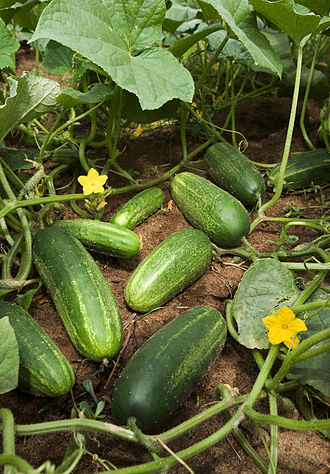
Jasmonate regulates male sterility in cucumber.
Cucumber breeders can now target a specific hormonal pathway to engineer male-sterile plants for ...

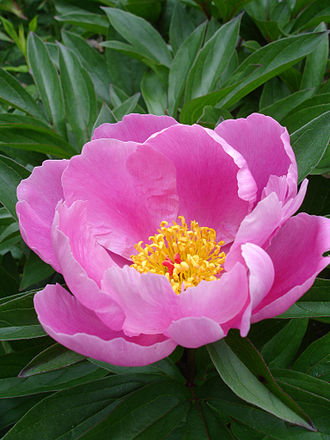
Molecular mechanisms of seed dormancy release in Paeonia lactiflora...
Growing peonies from seed normally takes years of guesswork — this research pinpoints the exact h...

Abscisic acid positively regulates rice spikelet closure.
Rice farmers and breeders lose significant yield when flower timing goes wrong during hybrid seed...