heavy-metal-contamination
Heavy metal contamination refers to the accumulation of toxic metallic elements—such as cadmium, lead, arsenic, and mercury—in soils and water at concentrations harmful to living organisms. Plants absorb these metals through their roots, disrupting essential physiological processes including photosynthesis, enzyme activity, and nutrient uptake, ultimately stunting growth and reducing yield. Understanding how plants tolerate, accumulate, or exclude heavy metals is critical for developing phytoremediation strategies and ensuring food safety in contaminated agricultural landscapes.
open_in_new WikipediaPlant growth-defense trade-offs regulate phytoremediation efficienc...
It reveals that the wild plants growing in contaminated lots, roadsides, and brownfields near you...
Soil mercury contamination sources, impacts on crops and soil organ...
Vegetables and grains grown in mercury-contaminated soil absorb the metal, meaning it can end up ...

Serendipita indica improves phytoextraction efficiency of cadmium a...
Soil contaminated with lead and cadmium from old pipes, industrial sites, or traffic pollution ca...
Soil health index-based assessment of cadmium ecological risk-ferti...
Vegetables and grains grown in contaminated soils can absorb cadmium, which accumulates in your b...

Divergent mechanisms of zinc and manganese in controlling cadmium t...
Rice grown in contaminated southern Chinese soils is a leading global source of dietary cadmium e...
Harnessing nano-engineered iron-silicon nanoparticles to modulate c...
Rice paddies on contaminated land near old industrial sites are a quiet source of cadmium in the ...

Phytotoxic Responses of Agricultural Crops to Nickel-Cobalt-Mangane...
Battery recycling facilities and landfills quietly leach metal cocktails into nearby soils, and t...
Iron-titanium oxide-engineered biochar mitigates antimony and nicke...
Biochar made with iron and titanium oxides offers a practical soil amendment tool for growers wor...

Occurrence and distribution of organic and inorganic pollutants in ...
Vegetables grown in or near contaminated land — whether near a dump, old industrial site, or heav...
Sustained grain cadmium reduction in rice-wheat rotation: A cost-ef...
Limestone — the same material gardeners use to sweeten acidic soil — turns out to be a powerful, ...
The hazards of metal exposure mediated by crops to human health fro...
Vegetables grown in urban garden beds or near old industrial sites can silently concentrate heavy...
Combination of citric acid and ferric chloride enhances cadmium acc...
Cadmium from fertilizers and industrial runoff quietly accumulates in garden soil and food crops,...

Mechanisms of AMF in regulating Cd contamination remediation and rh...
Wetland plants growing near industrial sites or polluted waterways could clean up toxic heavy met...

Lead and cadmium contamination in soils: impacts and phytoremediati...
Vegetables grown in urban garden plots or on land near old industrial sites can quietly accumulat...

Cover crop paired with soil bacteria cleans heavy metals from conta...
Soil near old industrial sites, roads, or heavily fertilized farms often carries hidden loads of ...

Assessment of mineral element accumulation in plants and soils expo...
Same industrial contamination that concentrates heavy metals in wild coastal plants can also affe...
Lithium in the Anthropocene: innovative perspectives on environment...
Lithium leaching from battery manufacturing and mining sites can accumulate in garden soils and f...
Application of biogas slurry abate Pb metal uptake and oxidative st...
Compost-style soil amendments made from farm waste could be a low-cost, practical tool for smallh...
Contrasting Cr(VI) and Cd(II) immobilization in contaminated soils ...
Vegetable gardens and allotments on former industrial land often carry invisible chromium or cadm...
Mercury Sulfide Nanoparticles Constitute a Long-Term Bioavailable P...
Rice paddies near old mining or industrial sites may be accumulating a hidden form of mercury tha...

Assessment of Heavy Metal Contamination, Human Health Risks and Phy...
Lotus plants grown in polluted ponds — including ornamental water gardens — can accumulate toxic ...

Rock-phosphate-enriched hydrochars derived from organic wastes: a s...
Compost made from kitchen scraps can do more than feed your garden — engineered versions of it ma...
Leveraging algal-derived biopolymers to alleviate multi-metal phyto...
If carrageenan soil amendments scale beyond the lab, the vegetables grown near industrial zones —...

Rhizosphere phosphorus and iron cycling accelerates manganese phyto...
Contaminated soil near old mines can leach manganese into waterways and vegetable gardens downhil...

AMF-mediated root redistribution decreases Cd uptake in rice while ...
Soil contaminated with cadmium — from old mining sites, industrial runoff, or certain fertilizers...

Copper extraction and phytotoxicity of organic acid leached mine ta...
Copper from old mine dumps can leach into the soil of nearby farms and gardens, and the 'natural'...

A novel Bacillaceae bacterium enhances phytoprotection and mercury ...
Abandoned mining sites and industrial brownfields near your community could one day be restored u...
Co-variation among DOM components, Fe fractions, and Cd / As mobili...
Rice grown in contaminated paddies quietly accumulates cadmium and arsenic in the grain — underst...

Biochar shields soil life when iron particles clean up chromium
Soil around old industrial sites often carries toxic chromium, and gardeners reclaiming that grou...
Effects of low-molecular-weight organic acids and manganese-modifie...
Vegetable gardens on formerly industrial or heavily farmed land can harbor invisible heavy metals...
Fe-modified clay minerals enhances iron oxide transformation and mi...
If you grow food in soil near old industrial sites or urban areas with legacy pollution, a single...
Straw biochar modulates manganese/cadmium enrichment in paddy algae...
If you grow rice or eat it regularly, the algae living in flooded paddies act as a natural filter...
An overview of mercury contamination: Environmental dynamics and mi...
Vegetables grown in mercury-contaminated soil — even backyard raised beds near old industrial sit...
Lead pollution in soils within the African mining landscapes: curre...
Lead from mine-contaminated soil doesn't stay on the mine — it travels up through plant roots int...

Charred cliff ferns lock toxic metals and restore contaminated soil
If you grow food in soil anywhere near industrial or mining activity, this research points toward...
Enhanced immobilization of lead and cadmium in abandoned smelter so...
Gardens and farms downwind of old smelting sites can carry invisible lead and cadmium loads that ...
Functionalized SiO2 nanoparticle-mediated release and transport of ...
Cadmium from contaminated garden or allotment soil doesn't stay put — it moves into the food crop...

Assessment of impact of military activities on soil contamination w...
Lead and copper from old shooting ranges can leach into the groundwater and streams that feed you...
Natural Defenses Against Cadmium Toxicity: Mechanisms and Emerging ...
Cadmium from fertilizers and industrial fallout quietly builds up in garden soil over decades, an...
A Multidisciplinary Review of Phytoremediation Strategies for Heavy...
Vegetables grown in soil near old mine sites or industrial zones can quietly accumulate toxic met...
Soil bacteria fed sulfur can lock away toxic antimony from mining sites
Antimony from mining runoff and industrial pollution quietly accumulates in garden soils, where i...
Illegal small-scale mining (galamsey) in Ghana: environmental pollu...
Rivers flowing through Ghana's farming regions are now laced with mining chemicals, meaning the c...
Thiosulfate drives vanadium natural attenuation in oligotrophic min...
Old mine tailings can leach toxic metals into surrounding soils for generations, keeping those la...
Feasibility study on enhancing the biodegradability of fresh and ol...
Landfill leachate seeping into surrounding soil can silently load heavy metals like arsenic into ...
Species in Topic
Rice
Corn (maize)
 Wheat
Canola
Wheat
Canola
 Rapeseed
Common Reed
Moringa
Rapeseed
Common Reed
Moringa
 Mango
Black nightshade
Mango
Black nightshade
 Amaranth
 Carrot
Lotus
Mung Bean
Carrot
Lotus
Mung Bean
 Chinese cabbage
Scots Pine
White Lupin
Chinese milk vetch
Chinese cabbage
Scots Pine
White Lupin
Chinese milk vetch
 Jute mallow
Pale Persicaria
Sisal
Sweet sorghum
eco
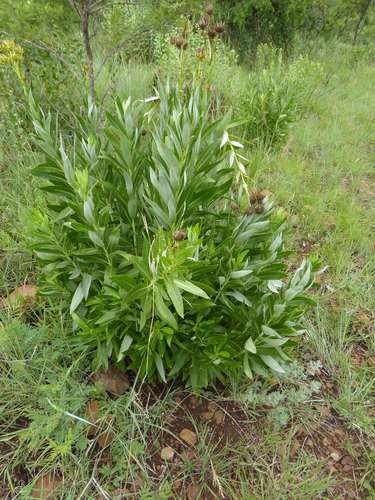
Berkheya coddii
eco
Cliff Bracken
Dicranopteris
Jute mallow
Pale Persicaria
Sisal
Sweet sorghum
eco
Berkheya coddii
eco
Cliff Bracken
Dicranopteris
 Glasswort
eco
Haumaniastrum robertii
Glasswort
eco
Haumaniastrum robertii
 Sacred Lotus
 Scent leaf
Sea Rocket
Stonecrop (Sedum alfredii)
Water leaf
eco
White Zygophyllum
Scent leaf
Sea Rocket
Stonecrop (Sedum alfredii)
Water leaf
eco
White Zygophyllum