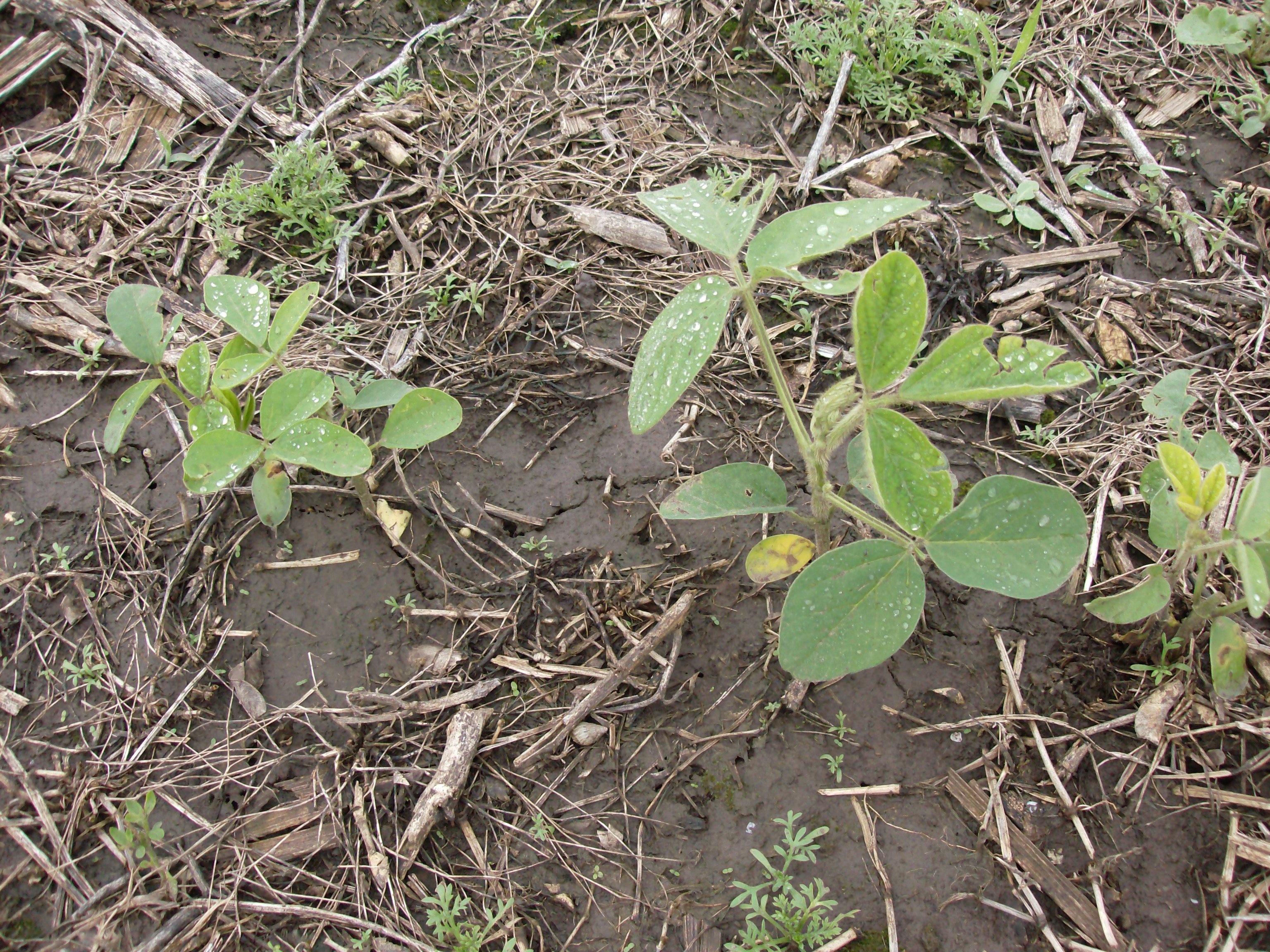
elicitor-treatment
Elicitor treatment involves exposing plants to specific chemical or biological signals — such as jasmonic acid, salicylic acid, or pathogen-derived compounds — that trigger defense responses and secondary metabolite production. This technique is valuable in plant science because it allows researchers to study and manipulate plant immune pathways, stress responses, and the biosynthesis of bioactive compounds without requiring actual pathogen infection. Understanding elicitor-induced responses has broad applications in improving crop resilience and enhancing the production of pharmaceutically or agriculturally important plant metabolites.
open_in_new WikipediaPubMed · 2026-04-30
Researchers found that exposing soybean and mung bean leaves to ethylene gas in a vertical farm setting dramatically boosted their levels of beneficial plant compounds, with isoflavones increasing up to 16-fold in mung bean leaves. This suggests ethylene could be used as a low-cost, practical tool to grow more nutritionally potent leafy greens in controlled indoor environments.
Isoflavone levels jumped approximately 16-fold in mung bean leaves (from 2,698 to 42,709 µg/g) and 6-fold in soybean leaves after ethylene treatment.
Ethylene-treated mung bean leaves showed the highest total phenolic content (24.22 mg GAE/g) and flavonoid content (9.89 mg RE/g) of all samples tested.
Ethylene treatment enhanced antioxidant activity and inhibited digestive enzymes linked to fat absorption (lipase) and blood sugar spikes (α-glucosidase), with mung bean leaves showing the strongest effects.